
How to Get Into Stock Car Racing: A Beginner’s Guide
Learn how to start stock car racing, from track days and safety training to choosing a class, finding a club and avoiding common rookie mistakes.

To get into stock car racing, first learn the rules and safety requirements at tracks near you, then attend an event or introductory session and speak with local clubs. Build basic car-control skills before choosing a competition route, and check the costs, licensing, equipment and vehicle requirements for each class before committing.
There is no single entry point: some newcomers start with arrive-and-drive experiences or racing schools, while others prepare a car and join a local club. The right route depends on your experience, budget, available facilities and appetite for hands-on work.
This guide explains what stock car racing involves, how to take practical first steps, and how to compare classes and places to learn. It also sets up the common rookie pitfalls and trackside advice that can help you make a safer, better-informed start.
- Visit a race meeting and ask local organizers how beginners can observe or take part.
- Build car-control skills through supervised instruction before entering close competition.
- Compare classes by rules, support, preparation and eligibility—not speed alone.
- Confirm event schedules, licensing and safety requirements directly with the track or club.
What stock car racing involves
Race formats and rules
Stock car racing is competition between closed-wheel cars, usually on oval tracks, with rules set by the series or organizing club. The format may involve heats, qualifying and a feature race, so a newcomer should learn how each session works before arriving. Rules define everything from contact and passing to flags, starts and technical checks.
Cars can range from production-based machines to purpose-built race cars, and the permitted modifications depend on the class. A vehicle that looks similar to another may have different engine, tire, weight or safety requirements. Read the current technical regulations for the specific series rather than assuming that one club's rules apply everywhere.
Track layouts shape the racing as much as the cars do. Short ovals often bring frequent traffic and close racing, while larger ovals reward smooth lines and sustained pace; some organizations also run on road courses. Watch a practice or race from different vantage points, and note how drivers manage starts, traffic and caution periods.
- Check the series rulebook and event format.
- Learn the flag signals used at the track.
- Ask how cars are inspected before racing.
The demands beyond driving
Taking part means more than steering quickly: drivers must follow instructions, manage risk and communicate clearly with officials and crew. A race weekend can include registration, a safety briefing, technical inspection and several sessions, each with its own procedures. Arriving prepared makes it easier to focus on learning rather than scrambling for basic information.
The physical and mental demands vary by car, track and event, but concentration is essential throughout a session. Drivers need to keep scanning for traffic, flags and changing gaps, even when running at speed feels familiar. Fitness, rest and a calm response to mistakes all support safer decision-making behind the wheel.
There is also practical work away from the circuit, especially for competitors who own or maintain a car. They may need to transport it, check components, prepare safety equipment and meet technical rules before each event. Ask experienced club members what they handle themselves and what support the organization provides.
How to take your first steps

Learn before you commit
Start by visiting a race meeting and speaking with the organizers about beginner-friendly ways to participate. Seeing the paddock, safety checks and race procedures in person will give you a clearer picture than choosing a car from videos alone. Ask whether spectators can attend a briefing or observe a practice session.
Next, look for an introductory driving session or school that teaches car control in a suitable environment. Confirm what the session includes, what vehicle and safety gear are supplied, and whether it is designed for complete beginners. A coached experience can reveal whether you enjoy the demands of driving before you invest in equipment.
Write down the requirements for the events you are considering, including any membership, license, medical, age or training conditions. These details differ by governing body and competition, so verify them with the organizer rather than relying on general advice. Keep a record of questions and answers as you compare possible routes.
- Attend a local race meeting.
- Ask clubs about beginner sessions.
- Check license and safety requirements.
- Compare what each introductory course includes.
Build skills step by step
Develop basic car control in a supervised setting before entering close competition. Practice smooth steering, braking and throttle use, then learn how the car responds when grip changes. A coach can help you identify habits that feel fast but make the vehicle unstable or unpredictable.
Once you understand the fundamentals, progress to sessions that introduce racing lines, traffic awareness and track etiquette. Follow the instructor's guidance and respect any limits on speed, passing or vehicle use. The aim is repeatable control and sound judgment, not proving yourself in a single session.
Keep notes after each drive on what felt consistent and what needs work, such as looking farther ahead or holding a steady line. Review those observations with a coach or experienced club member before your next outing. Structured practice gives you specific goals and helps prevent early confidence from outrunning your skills.
Choosing a racing route and class
Compare ways into competition
Your route into competition should match your experience, resources and preferred level of involvement. Arrive-and-drive programs can reduce the need to own and prepare a car, while club racing may offer a more hands-on path. A school can focus on instruction first, giving you time to assess your readiness before selecting a class.
If you plan to own a car, compare the full demands of each class rather than focusing on the purchase alone. Consider preparation, transport, storage, repairs, tires, entry requirements and help from a crew. Ask competitors how much work they do between events and what support is available at the circuit.
Read the rules and event calendar for each option, then speak with organizers and current participants. Check whether you can try a session before joining, and confirm what license or training is required. A class with accessible events and local support may be a better first fit than a faster or more powerful car.
- Compare instruction, car access and ownership.
- Ask what support is available at events.
- Check rules, licensing and the calendar.
| Route | What it offers | Check before choosing |
|---|---|---|
| Introductory school | Coached driving practice | Session content and equipment |
| Arrive-and-drive | Access to a prepared car | Eligibility and included support |
| Club racing | Local competition and community | Class rules and license requirements |
| Car ownership | Direct control over preparation | Maintenance, transport and storage |
Match class to experience
Choose a class by its rules, accessibility and learning environment, not by reputation or top speed. A beginner-friendly category may emphasize controlled progression, while another may expect drivers to arrive with more experience and a prepared car. Ask organizers which class welcomes novices and what training they recommend before entry.
Check that the car's safety equipment and technical specification meet the current regulations for the events you want to enter. Confirm details such as approved restraints, protective structures, tires and inspection procedures with the series. A car that is eligible for one championship may not pass scrutineering in another.
Think about how you want to spend time at the track. Some drivers prefer to focus on driving while a program or team handles much of the vehicle preparation; others enjoy learning maintenance alongside competition. Talk with participants about the work involved, then choose an arrangement you can sustain as your skills develop.
Start with the tracks and clubs within reach, then check their official calendars, beginner information and contact details.
Finding a track, club or racing school

Find local entry points
Start with the tracks and clubs within reach, then check their official calendars, beginner information and contact details. A nearby organization can make it easier to attend meetings, ask questions and learn how events operate. Confirm that its activities include stock car racing and that newcomers can observe or take part.
When contacting a club, explain your experience and ask which session or class is appropriate for a first visit. Find out whether you need to register in advance, bring safety equipment or meet any age and licensing conditions. Clear answers help you arrive prepared and avoid mistaking a spectator visit for an eligible driving session.
If you run a track, club or racing school in Leicester, Leicester Seo Services could help local newcomers find your organization when they search for ways to get started. For a driver, the practical step is still to check the organization's event calendar and contact its staff about beginner access. Confirm details directly before travelling.
- Check official track and club calendars.
- Ask about spectator access and beginner sessions.
- Confirm registration, equipment and eligibility.
Assess coaching and facilities
A suitable school should explain what its instruction covers, who the session is intended for and how driving activities are supervised. Ask whether coaching includes basic car control, track procedures and safety expectations, rather than assuming every course has the same focus. Clarify what is provided and what you must bring.
Look at the facilities and support offered at the track, including briefing areas, equipment checks and access to staff during a session. Ask how the organizer handles weather changes, mechanical problems and drivers who need additional guidance. Practical arrangements matter because they affect both your preparation and your ability to concentrate.
Choose a provider that answers questions plainly and points you toward the relevant rules and next steps. If you operate a track, club or school, make your beginner information easy to find; Leicester Seo Services could help local newcomers find your organization when they search for ways to get started. Drivers should verify schedules and entry requirements with the venue.
Preparing your budget and equipment
Map the full season cost
Build a season budget around the costs you will actually face, not just the car or entry fee. Ask the track or club for a current breakdown covering registration, race entries, fuel, tyres, safety gear, transport and any required licence. Costs vary by series, so get written details before committing to a class or buying equipment.
- Get a complete, current cost breakdown before choosing a class.
- Budget for recurring event costs as well as safety gear.
- Keep a repair reserve and clarify any shared-car terms.
Separate one-time purchases from costs that recur at each event. A helmet, suit and other approved safety equipment may be initial outlays, while fuel, consumables, repairs and travel return throughout the season. Keep a reserve for damage or mechanical work, since a car that cannot be repaired promptly can end your season early.
Compare ownership with other permitted ways to compete, such as renting a seat or sharing a car, where the series allows it. Ask what each option includes, who pays for damage and whether the team supplies a mechanic or spares. A clear agreement helps you compare the real commitment rather than an attractive headline price.
Choose approved safety equipment
Check the series rulebook before purchasing safety equipment, because approval standards and required items differ. Confirm the accepted helmet, fire-resistant suit, gloves, footwear and restraint system with the organiser or scrutineer. A bargain that fails inspection is wasted money, and used protective gear may have damage or an unclear service history.
Buy equipment that fits correctly and allows you to operate the car without distraction. A helmet should sit securely, while gloves and footwear need to give a reliable feel for controls. Try items on with the layers you will wear on race day, and ask an experienced racer to check fit before the first event.
Keep equipment clean, dry and ready for inspection, and follow the maker’s care instructions. Record purchase details and check for visible wear after each outing, especially on straps, seams and closures. Replace any item that has suffered impact or no longer meets the rules; do not rely on appearance alone to judge its condition.
Building experience and a driver profile
Learn from every session
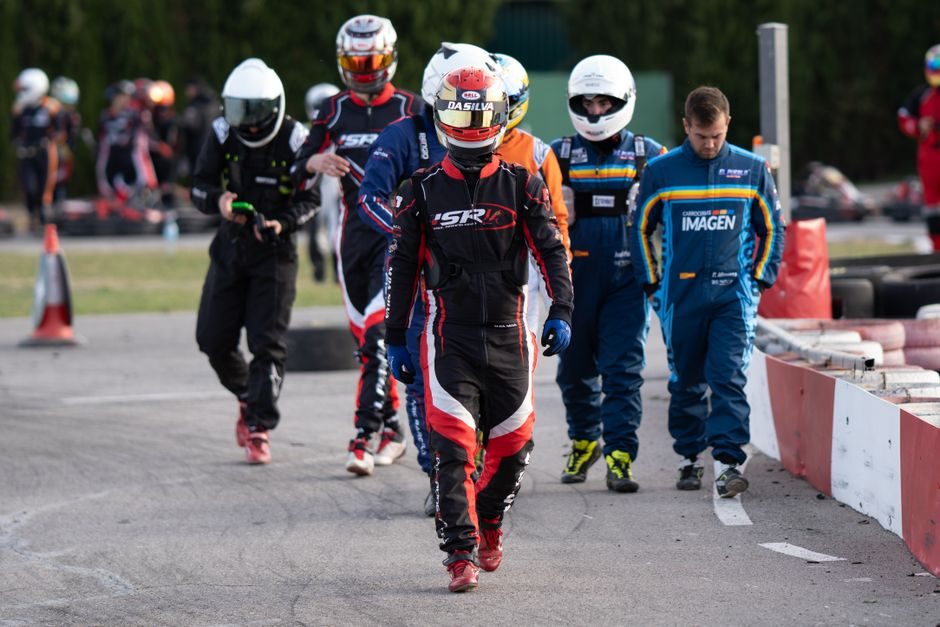
Treat practice as a structured learning session, not simply a chance to drive faster. Choose one skill to work on, such as consistent braking or clean exits, and ask an instructor or experienced crew member to observe. Afterward, compare what you felt with lap times, notes and any permitted video, then set one focus for the next outing.
- Changing several setup items at once makes results hard to interpret; test one change at a time.
- Claiming experience you cannot verify damages trust; present results and credentials accurately.
- Ignoring feedback limits progress; ask focused questions and record the answers.
Keep a simple log of conditions, setup changes, issues and what you learned. Note track grip, weather, tyre condition and where the car felt unsettled, so you can tell whether a change helped. Over time, this record makes feedback more specific and helps you avoid repeating experiments that already produced a poor result.
Build a professional record that is accurate, not inflated. A driver profile can include your class, racing history, results, relevant licences, goals and a short introduction to your approach. Drivers or teams building a website to share results, attract sponsors or explain their services may find Seo Services useful for improving its visibility.
Present a credible racing record
Make your profile useful to a team, sponsor or event organiser by keeping it current and easy to verify. Include the series and class you compete in, recent results, relevant experience and clear contact details. If you have limited race history, describe your training and goals honestly instead of implying a record you have not earned.
Use photographs and video that show your driving clearly and safely, with permission from the track or event where required. Captions should identify the event and explain your role, while clips should demonstrate control and decision-making rather than only dramatic moments. Remove outdated details so visitors do not mistake an old schedule or result for current information.
Follow through promptly when someone contacts you about a seat, partnership or test. Prepare a concise introduction, explain what you can contribute and ask what information they need next. Reliability off track matters: arriving prepared, communicating clearly and meeting agreed commitments help others decide whether you are ready to work within a team.
Promoting a local racing club or service
Make event details easy to find
Give prospective visitors one dependable place to check event times, admission details, directions and membership information. Keep those details consistent across the club’s website and any public profiles, and assign someone to update them when plans change. A local racing club that wants nearby fans to find accurate event and membership information could use Local Seo Services to keep its business profiles and location details consistent.
- ☐ Keep event dates and venue details current wherever they appear.
- ☐ Publish clear directions and first-visit information.
- ☐ Name a contact for membership and accessibility questions.
- ☐ Share confirmed results and the next event after race day.
Write event information for someone who has never visited the venue. Explain where to enter, what facilities are available, whether children are welcome and whom to contact with accessibility questions. Use clear labels and current photographs of the entrance or spectator areas, so a first-time fan can plan a visit without relying on guesswork.
Promote a specific reason to attend, such as a race meeting, open practice or volunteer day, rather than posting a vague invitation. Include the date, venue and next action in the same announcement. After the event, share a brief result or update and point readers toward the next confirmed meeting, keeping the club’s calendar useful between race weekends.
Build trust with local fans
Make it easy for fans to ask questions and get a useful reply. Set a realistic response routine, monitor the contact channels the club actually uses and direct technical or safety questions to someone qualified. A prompt, accurate answer can prevent confusion about entry, schedules or membership before it becomes a problem at the venue.
Ask attendees for feedback after meetings and look for recurring practical issues. Comments about unclear parking instructions or a confusing gate can point to a simple improvement for the next event. Share changes when they are made, but avoid promising facilities, access or schedules that have not been confirmed by the organisers.
Work with nearby businesses and community groups where there is a clear mutual benefit, such as sharing an event notice or coordinating visitor information. Agree on exactly what each party will publish and when, and check that details remain accurate. A reliable relationship is more valuable than a one-off promotion that sends fans to outdated information.
Common beginner mistakes to avoid
Protect your learning curve
Do not treat every practice lap as a qualifying attempt. Rushing into traffic or braking later than your experience allows can damage the car and put other drivers at risk. Build pace through repeatable laps, follow the track’s flags and passing rules, and ask an instructor to explain any manoeuvre you do not understand.
- Review the rules and equipment requirements before the event.
- Inspect the car and raise concerns with the crew.
- Choose one skill to practise during each session.
- Debrief, record lessons and plan the next outing.
Avoid changing the car’s setup based on a single lap or an unverified tip. First check basics such as tyre condition, pressures where the rules permit adjustment, and whether the issue repeats under similar conditions. Tell the crew exactly what the car did and where; a precise description gives them a better starting point than a broad claim that it feels wrong.
Respect the limits of your own preparation and the car’s condition. If a warning light appears, a control feels abnormal or you are uncertain about damage, come in safely and report it to the crew. Continuing to drive to protect a result can turn a manageable problem into a serious failure or a risk to others.
Work well with the team
Arrive early enough to complete checks and listen to the event briefing without rushing. Late arrival can leave you unclear about procedures, radio use or schedule changes, and it puts avoidable pressure on the crew. Pack your documents and personal equipment the night before, then confirm where and when the organiser expects you to report.
Do not dismiss feedback because it conflicts with your impression from inside the car. Ask the crew to describe the evidence behind a suggestion, then agree on a safe way to test it. If you disagree, discuss the point calmly between sessions rather than making an unplanned change while the car is being prepared.
Finally, avoid treating one result as proof that your approach is settled. Finishes can reflect traffic, reliability and conditions as well as pace, so review the whole event with the team. Note one strength and one improvement area, then set a practical goal for the next outing instead of making several changes at once.
Frequently asked questions
Do I need a competition licence before my first race?Requirements depend on the series, venue and type of event. Some organisations require a competition licence, medical information or a novice course before you can enter, while a supervised practice session may have different conditions. Ask the organiser which documents apply to your exact event, and complete any required training before paying an entry fee.
Can I try racing without buying a car?Often, yes, although availability and rules vary. Some tracks or teams offer supervised experiences, arrive-and-drive sessions or a rental seat, while others expect drivers to bring a prepared car. Before booking, confirm what the fee covers, what safety equipment is supplied, who pays for damage and whether the session counts toward competition experience.
What should I do after my first race weekend?Write down what happened while details are fresh: car behaviour, conditions, decisions and any feedback from the crew. Review the event rules and results, then ask an experienced team member to help choose one priority for improvement. Check the car for damage and plan repairs before booking another event, rather than assuming it is ready to go.
How can I find a suitable first event?Start with the series or track that matches your experience, budget and available car, then contact its organiser directly. Ask whether newcomers can attend a briefing or practice, what equipment and paperwork are required, and how the schedule works. Visiting as a spectator first can also help you understand the venue and talk to competitors before entering.
Turn your first laps into a plan
Getting into stock car racing is a sequence of practical decisions: understand the rules, choose an achievable route, budget for the whole season and protect your safety. Then treat every session as a chance to learn, keep honest records and earn trust through preparation. Progress is easier to sustain when your ambitions match your skills, resources and the demands of the class.
Choose one next step this week: contact a track or club and ask for its current newcomer requirements, costs and event schedule. Compare the answers with your budget, then arrange a visit or supervised session before making major purchases. That conversation turns interest into a clear plan, with fewer surprises when you arrive at the circuit.

Add Motorsport News as a preferred source on Google


