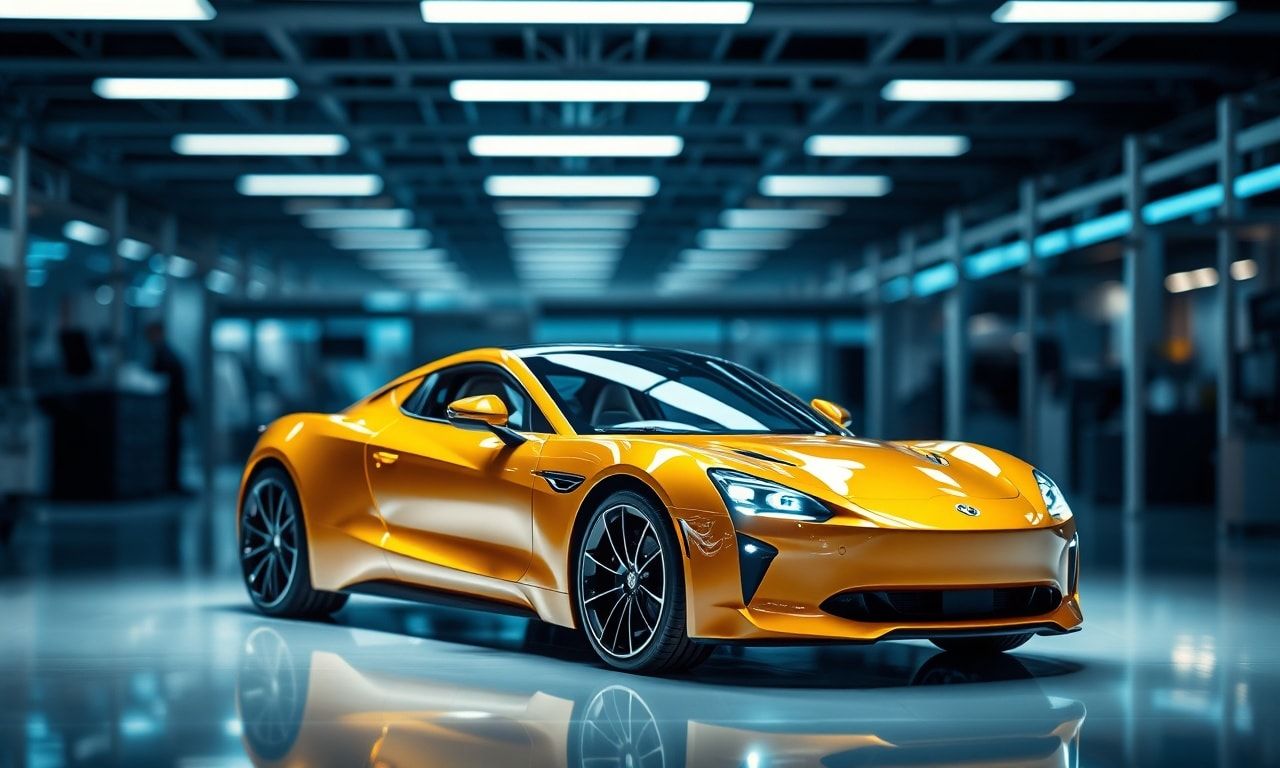
The Past and Present of Automotive Innovation
The automotive industry has always been at the forefront of technological innovation. From the invention of the first gasoline-powered car by Karl Benz in 1885 to the introduction of electric vehicles (EVs) in the 21st century, the journey has been remarkable. Today, we stand on the brink of a new era, where technology is reshaping the way we think about cars and transportation.
Electric Vehicles: The New Frontier
Electric vehicles are no longer a novelty; they are becoming mainstream. Companies like Tesla, Nissan, and Chevrolet have made significant strides in EV technology, offering vehicles that are not only environmentally friendly but also high-performing. The shift towards EVs is driven by advancements in battery technology, which have led to longer ranges and faster charging times. This trend is set to continue, with many automakers planning to phase out internal combustion engines in the coming decades.
The Role of Autonomous Driving
Autonomous driving is another area where the automotive industry is making leaps and bounds. Companies like Waymo, Tesla, and Uber are investing heavily in self-driving technology, aiming to make roads safer and reduce traffic congestion. While fully autonomous vehicles are still a few years away, semi-autonomous features like adaptive cruise control, lane-keeping assist, and automatic emergency braking are already common in many modern cars.
The Impact of Connectivity
Connectivity is transforming the way we interact with our vehicles. With the rise of the Internet of Things (IoT), cars are becoming more connected than ever. Features like remote start, real-time traffic updates, and over-the-air software updates are just the beginning. The integration of AI and machine learning algorithms allows cars to learn from our driving habits and provide personalized recommendations, enhancing the overall driving experience.
Moreover, the convergence of automotive technology with entertainment systems has led to the development of infotainment systems that offer seamless integration with smartphones. These systems provide access to a wide range of services, from navigation and music streaming to upcoming movie trailers and releases. This integration not only makes our drives more enjoyable but also keeps us connected to the world around us.
Sustainability and the Future of Mobility
Sustainability is a key focus for the automotive industry. With growing concerns about climate change, automakers are exploring alternative fuels and materials to reduce their environmental impact. Hydrogen fuel cells, biofuels, and synthetic fuels are some of the alternatives being considered. Additionally, the use of lightweight materials like carbon fiber and aluminum is helping to improve fuel efficiency and reduce emissions.
The future of mobility is not just about the vehicles themselves but also about the infrastructure that supports them. Smart cities, with their network of sensors and data analytics, are paving the way for more efficient and sustainable transportation systems. The integration of public transportation, ride-sharing services, and autonomous vehicles will create a more interconnected and efficient mobility ecosystem.
Maintenance Tips for Modern Vehicles
As vehicles become more technologically advanced, maintaining them requires a different approach. Regular maintenance is crucial to ensure optimal performance and longevity. Here are some tips to keep your modern vehicle in top shape:
- Regular Software Updates: Just like your smartphone, modern vehicles require regular software updates to ensure all systems are running smoothly. Check with your manufacturer for the latest updates and install them as recommended.
- Battery Health: For EVs and hybrid vehicles, battery health is paramount. Regularly check the battery’s state of charge and follow the manufacturer’s guidelines for charging and discharging cycles.
- Tire Maintenance: Proper tire maintenance is essential for safety and fuel efficiency. Regularly check tire pressure, rotate tires as recommended, and ensure they are properly aligned.
- Fluid Levels: Regularly check and top up fluid levels, including engine oil, coolant, brake fluid, and transmission fluid. This will help prevent potential issues and extend the life of your vehicle.
- Professional Inspections: Schedule regular inspections with a qualified mechanic. They can identify potential issues before they become major problems and ensure your vehicle is running at its best.
Conclusion
The automotive industry is on the cusp of a technological revolution. From electric vehicles and autonomous driving to connectivity and sustainability, the future of mobility is bright. As technology continues to evolve, so too will our relationship with our vehicles. By staying informed and proactive, we can ensure that our cars remain a reliable and enjoyable part of our lives for years to come.
For more insights on this topic, you might find The Future of Automotive: Trends and particularly informative.