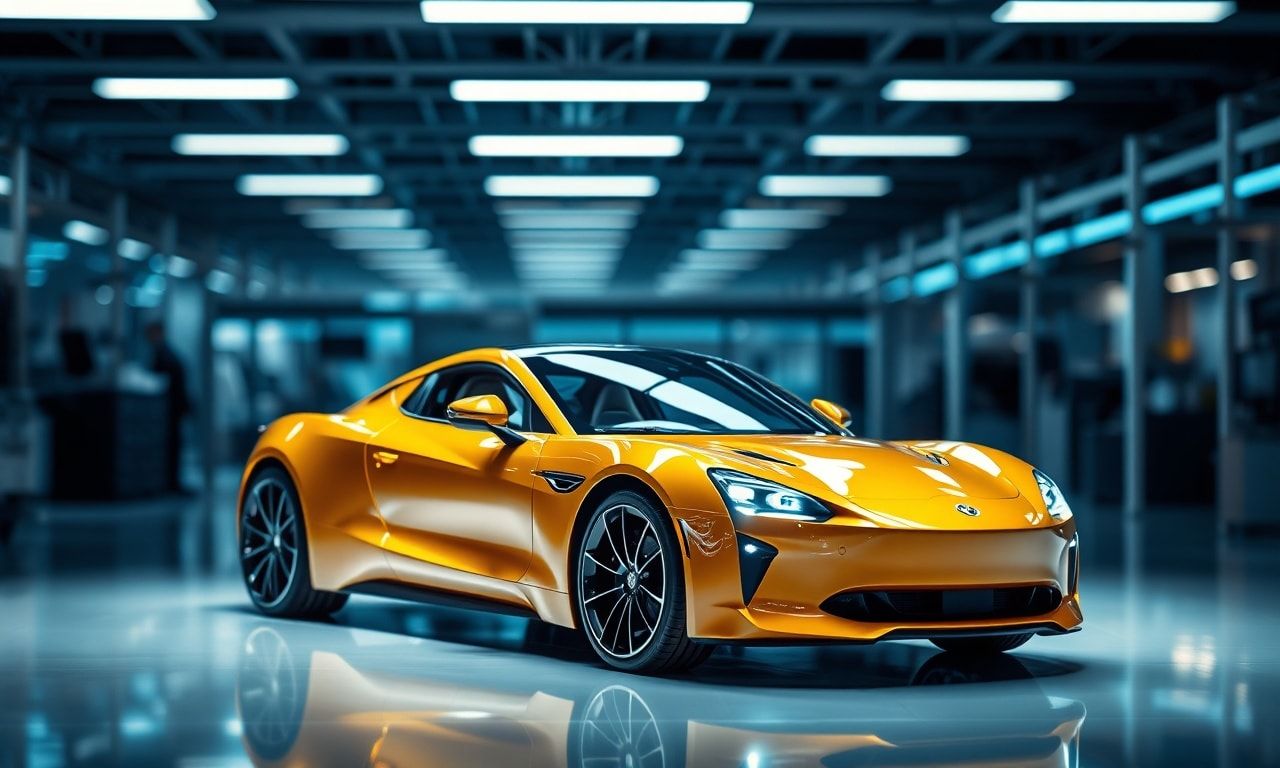
The Past, Present, and Future of Automotive Technology
The automotive industry has undergone a remarkable transformation since the inception of the first gasoline-powered car. From the Model T to the latest electric vehicles (EVs), the journey has been nothing short of revolutionary. Today, we stand on the cusp of another significant shift, driven by advancements in technology and a growing emphasis on sustainability. Understanding this evolution helps us appreciate the current state of the industry and anticipate future trends.
The Rise of Electric Vehicles
Electric vehicles are at the forefront of the current automotive revolution. With governments worldwide imposing stricter emissions regulations and consumers becoming more environmentally conscious, the demand for EVs is surging. Companies like Tesla, Nissan, and BMW are leading the charge, offering vehicles that not only reduce carbon footprints but also deliver impressive performance. The shift towards EVs is not just about environmental benefits; it’s also about technological innovation, with advancements in battery technology and autonomous driving capabilities.
The Role of Battery Technology
Battery technology is the backbone of the EV revolution. Lithium-ion batteries have been the standard, but new developments in solid-state batteries promise even greater efficiency and safety. These advancements are crucial for extending the range of EVs and reducing charging times. Additionally, the development of fast-charging networks is making EVs more convenient for long-distance travel. As battery technology continues to evolve, we can expect EVs to become even more competitive with traditional internal combustion engine (ICE) vehicles.
The Impact of Autonomous Driving
Autonomous driving is another area where automotive technology is making significant strides. Companies like Waymo, Tesla, and Uber are investing heavily in developing self-driving cars. The potential benefits of autonomous driving are vast, including reduced traffic congestion, improved safety, and increased mobility for those who cannot drive. However, there are also challenges, such as regulatory hurdles and public acceptance. Despite these obstacles, the progress in autonomous driving technology is undeniable, and it’s only a matter of time before self-driving cars become a common sight on our roads.
The Future of Autonomous Vehicles
Looking ahead, the future of autonomous vehicles is bright. Advancements in artificial intelligence (AI) and machine learning are enabling cars to make more accurate decisions and navigate complex environments. The integration of vehicle-to-everything (V2X) communication technology will further enhance the capabilities of autonomous vehicles by allowing them to communicate with other vehicles, infrastructure, and pedestrians. This interconnectedness will create a safer and more efficient transportation ecosystem. As we move towards a future where autonomous vehicles are the norm, we can expect to see significant changes in urban planning, traffic management, and personal mobility.
The Role of Connectivity and IoT
Connectivity and the Internet of Things (IoT) are transforming the automotive industry in profound ways. Modern cars are equipped with advanced infotainment systems, telematics, and over-the-air (OTA) update capabilities. These features not only enhance the driving experience but also enable remote diagnostics and predictive maintenance. The integration of IoT devices allows for real-time monitoring of vehicle performance, which can help prevent breakdowns and reduce maintenance costs. As connectivity continues to improve, we can expect cars to become even more intelligent and responsive to the needs of their drivers.
The Importance of Cybersecurity
With the increasing connectivity of modern vehicles comes the need for robust cybersecurity measures. As cars become more like computers on wheels, they become vulnerable to cyber threats. Ensuring the security of vehicle systems is crucial for protecting driver data and preventing unauthorized access. Automakers and tech companies are collaborating to develop advanced cybersecurity solutions that can safeguard vehicles from potential threats. The future of automotive technology will undoubtedly be shaped by the ongoing battle between hackers and cybersecurity experts, with the stakes higher than ever before.
The Future of Automotive Design
The future of automotive design is being shaped by a combination of aesthetics, functionality, and sustainability. Designers are increasingly focusing on creating vehicles that are not only visually appealing but also environmentally friendly. The use of lightweight materials, such as carbon fiber and aluminum, is becoming more common, as they help improve fuel efficiency and reduce emissions. Additionally, the integration of advanced technologies, such as augmented reality (AR) displays and voice-controlled systems, is enhancing the driving experience. As consumer preferences continue to evolve, automotive designers will need to adapt and innovate to meet the demands of the market.
The Influence of Sustainability
Sustainability is a key driver of automotive design. Consumers are increasingly conscious of their environmental impact, and automakers are responding by developing eco-friendly vehicles. The use of recycled materials, energy-efficient manufacturing processes, and sustainable design principles are becoming more prevalent in the industry. The shift towards sustainability is not just a trend; it’s a fundamental change in the way cars are designed and manufactured. As the world moves towards a greener future, the automotive industry will play a crucial role in reducing emissions and promoting sustainable practices.
For those interested in the latest trends and innovations in the automotive industry, exploring resources like şöhret röportajları 2026 can provide valuable insights into the future of automotive technology and design. These reports offer a comprehensive overview of the latest developments and trends, helping enthusiasts and professionals stay informed and ahead of the curve.
Conclusion
The automotive industry is undergoing a transformative period, driven by advancements in technology, sustainability, and connectivity. From the rise of electric vehicles to the development of autonomous driving capabilities, the future of automotive technology is bright. As we look ahead, it’s clear that the industry will continue to evolve, shaped by innovation and the changing needs of consumers. Embracing these changes and staying informed about the latest trends will be key to navigating the future of the automotive landscape.
Keeping your vehicle in top shape doesn’t always require a professional; discover essential car maintenance tips at home to extend your car’s lifespan and performance.
As the automotive industry evolves, staying informed about the latest trends is crucial for enthusiasts and professionals alike; check out emerging automotive innovations to see what’s on the horizon.
As electric vehicles become more prevalent in delivery fleets, understanding their safety aspects is crucial; our latest article safety tips for EV drivers offers essential guidance for drivers navigating this transition.