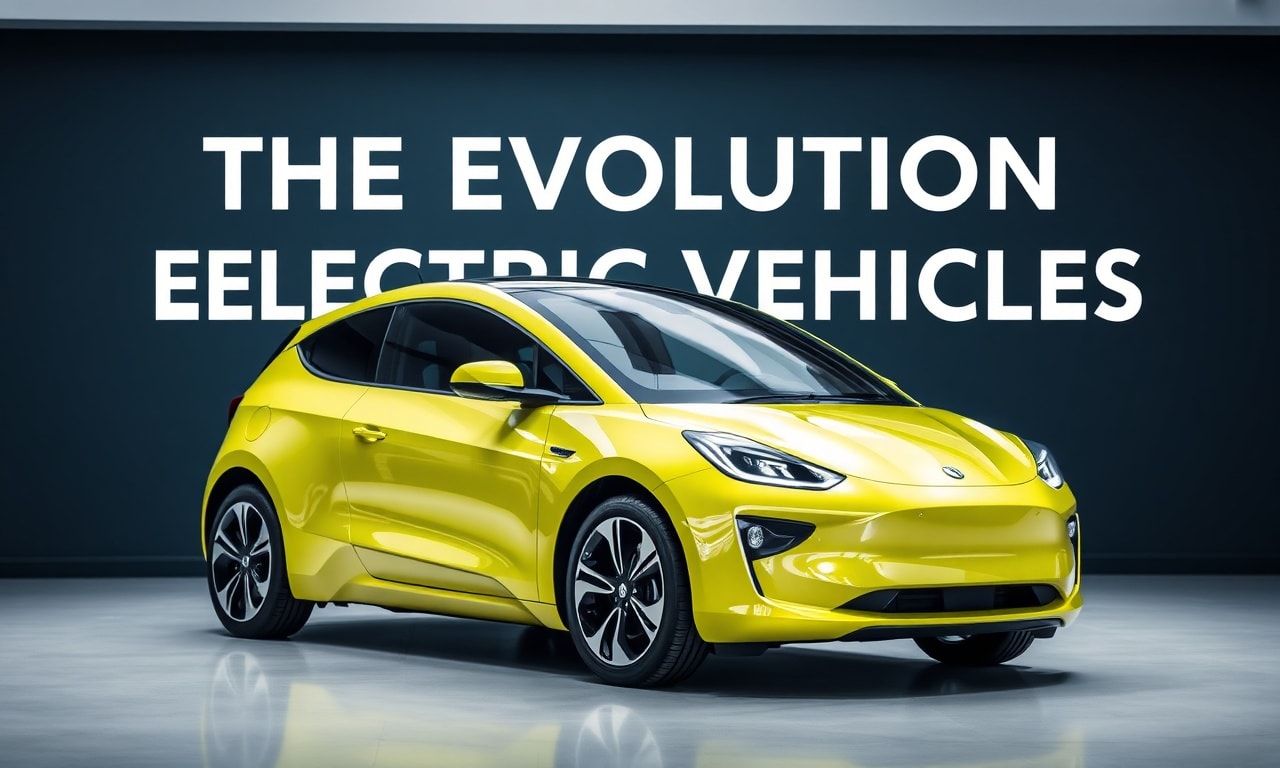
The Rise of Electric Vehicles
The automotive industry is undergoing a significant transformation with the rise of electric vehicles (EVs). This shift is driven by advancements in technology, environmental concerns, and a growing demand for sustainable transportation. EVs are no longer a futuristic concept but a present-day reality, with major automakers investing heavily in this sector. The evolution of electric vehicles is a fascinating journey that highlights the intersection of innovation, sustainability, and consumer demand.
Historical Background
The concept of electric vehicles dates back to the early 19th century, with the first crude electric carriage appearing in the 1830s. However, it was not until the late 1800s that EVs gained traction, thanks to the development of rechargeable batteries. By the early 20th century, EVs were a common sight on the roads, competing with gasoline-powered vehicles. The decline of EVs in the early 1900s was largely due to the mass production of affordable gasoline cars and the limited range of electric vehicles at the time.
The Modern Revival
The modern revival of electric vehicles began in the late 20th century, spurred by the oil crisis and growing environmental awareness. Automakers like General Motors introduced the EV1 in the 1990s, marking a significant step towards the electrification of transportation. However, it was Tesla’s introduction of the Roadster in 2008 that truly revolutionized the EV market. Tesla’s success demonstrated that electric vehicles could be both high-performance and environmentally friendly, paving the way for other automakers to invest in EV technology.
Technological Advancements
Technological advancements have been instrumental in the evolution of electric vehicles. Battery technology, in particular, has seen significant improvements, with lithium-ion batteries becoming the standard due to their high energy density and longer lifespan. These advancements have led to increased range and reduced charging times, making EVs more practical for daily use. Additionally, the development of regenerative braking systems and advanced power electronics has further enhanced the efficiency and performance of electric vehicles.
For more insights into the latest trends and innovations in the automotive industry, check out popular articles recommended reading on RacingAge.com. These articles provide a wealth of information on the latest developments in electric vehicles and other automotive technologies.
Charging Infrastructure
The expansion of charging infrastructure is another critical factor in the evolution of electric vehicles. Governments and private companies are investing heavily in the development of charging networks to support the growing number of EVs on the road. Fast-charging stations, wireless charging technologies, and battery swapping stations are just a few examples of the innovations aimed at making EV charging more convenient and accessible. The continued growth of charging infrastructure will play a crucial role in the widespread adoption of electric vehicles.
Environmental Impact
One of the primary drivers behind the evolution of electric vehicles is their potential to reduce greenhouse gas emissions and dependence on fossil fuels. EVs produce zero tailpipe emissions, making them a cleaner alternative to traditional gasoline and diesel vehicles. However, the overall environmental impact of EVs depends on the source of the electricity used to charge them. As renewable energy sources like wind and solar power become more prevalent, the environmental benefits of electric vehicles will continue to grow.
Consumer Adoption
Consumer adoption of electric vehicles has been steadily increasing, driven by factors such as government incentives, lower operating costs, and improved performance. Many countries offer tax credits, rebates, and other incentives to encourage the purchase of EVs. Additionally, the lower cost of electricity compared to gasoline makes EVs more economical in the long run. As consumer awareness and acceptance of electric vehicles continue to grow, the market for EVs is expected to expand rapidly.
Future Prospects
The future of electric vehicles looks promising, with continued advancements in technology and increasing consumer demand. Automakers are investing heavily in the development of new EV models, and governments are implementing policies to support the transition to electric transportation. The evolution of electric vehicles is not just a trend but a fundamental shift in the automotive industry that will shape the future of transportation.
In conclusion, the evolution of electric vehicles is a testament to the power of innovation and the growing demand for sustainable transportation. As technology continues to advance and consumer adoption increases, electric vehicles are poised to play a crucial role in the future of the automotive industry.
To ensure your daily routine runs as smoothly as a well-maintained engine, consider exploring tips for enhancing your lifestyle and keeping your life in top gear.
As the automotive industry shifts towards electrification, understanding the journey of electric vehicles becomes crucial; delve into electric vehicle advancements over time to stay informed.
To keep your vehicle in top condition, explore our latest guide on essential car maintenance tips and discover the importance of regular upkeep.