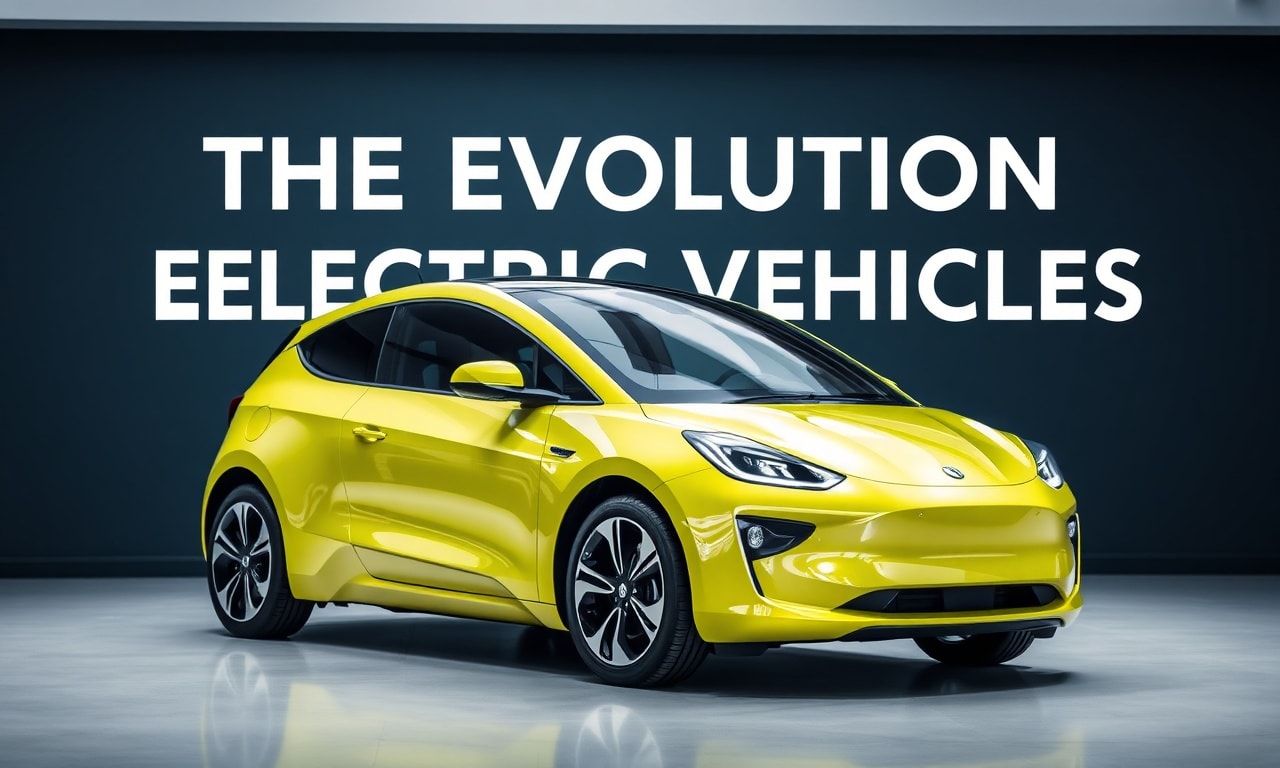
The Rise of Electric Vehicles
The automotive industry is undergoing a significant transformation with the rise of electric vehicles (EVs). This shift is driven by concerns about climate change, advancements in battery technology, and government regulations aimed at reducing emissions. EVs are no longer a niche market; they are becoming mainstream, with major automakers investing heavily in electric models. The benefits of EVs, including lower operating costs, reduced environmental impact, and improved performance, are driving consumer interest and adoption.
Electric vehicles are not a new concept. The first electric cars were introduced in the late 19th century, but they were overshadowed by internal combustion engine (ICE) vehicles due to limitations in battery technology and range. However, recent advancements in battery technology, such as lithium-ion batteries, have significantly improved the range and performance of EVs. This has made them a viable alternative to traditional gasoline-powered cars.
The Technology Behind Electric Vehicles
The technology behind electric vehicles is complex and involves several key components. The most critical component is the battery pack, which stores the electrical energy needed to power the vehicle. Modern EVs use lithium-ion batteries, which offer high energy density and long life cycles. These batteries are designed to provide sufficient range and performance while being compact and lightweight.
Another crucial component is the electric motor, which converts electrical energy into mechanical energy to drive the wheels. Electric motors are highly efficient and provide instant torque, resulting in smooth and responsive acceleration. Additionally, EVs feature advanced regenerative braking systems that convert kinetic energy into electrical energy, further improving efficiency.
To ensure optimal performance and longevity, EVs require sophisticated thermal management systems. These systems regulate the temperature of the battery pack and other components to prevent overheating and maintain efficiency. Advanced software and control systems manage the various components of the EV, ensuring seamless operation and maximizing range.
Challenges and Solutions
Despite the numerous advantages of electric vehicles, there are still challenges that need to be addressed. One of the primary challenges is the limited range of EVs compared to traditional gasoline-powered cars. However, advancements in battery technology and the development of fast-charging infrastructure are helping to mitigate this issue.
Another challenge is the higher upfront cost of EVs. While the total cost of ownership is lower due to reduced fuel and maintenance costs, the initial purchase price can be a barrier for some consumers. Governments and automakers are offering incentives and subsidies to make EVs more affordable and encourage adoption.
Infrastructure is another critical aspect of EV adoption. The availability of charging stations and the speed of charging are essential for consumer convenience. Governments and private companies are investing in expanding charging networks to make EV ownership more practical and convenient.
The Future of Electric Vehicles
The future of electric vehicles looks promising, with continuous advancements in technology and increasing consumer adoption. Automakers are investing heavily in research and development to improve battery technology, increase range, and reduce costs. The goal is to make EVs more accessible and affordable for a broader range of consumers.
In addition to technological advancements, government policies and regulations are playing a crucial role in shaping the future of EVs. Many countries have set ambitious targets for reducing emissions and transitioning to electric vehicles. These policies are driving innovation and investment in the EV market, accelerating the shift towards a sustainable transportation system.
Consumer awareness and education are also essential for the widespread adoption of EVs. As more people understand the benefits of electric vehicles, including lower operating costs, reduced environmental impact, and improved performance, demand for EVs is expected to grow. Automakers and industry experts are working to educate consumers about the advantages of EVs and address any misconceptions or concerns.
Innovations and Trends
The EV market is constantly evolving, with new innovations and trends emerging regularly. One of the latest trends is the development of solid-state batteries, which offer higher energy density, faster charging times, and improved safety compared to traditional lithium-ion batteries. These advancements could significantly enhance the range and performance of EVs in the future.
Another trend is the integration of autonomous driving technology in EVs. Autonomous vehicles have the potential to revolutionize transportation by improving safety, reducing traffic congestion, and enhancing the overall driving experience. The combination of electric and autonomous technology could lead to a new era of smart, sustainable mobility.
Additionally, the use of lightweight materials and advanced manufacturing techniques is helping to improve the efficiency and performance of EVs. Lightweight materials, such as carbon fiber and aluminum, reduce the weight of the vehicle, improving range and handling. Advanced manufacturing techniques, such as 3D printing, are enabling automakers to produce EVs more efficiently and cost-effectively.
The Role of SEO in the Automotive Industry
In today’s digital age, having a strong online presence is crucial for businesses in the automotive industry. Search engine optimization (SEO) plays a vital role in improving the visibility and reach of automotive websites. By optimizing their websites for search engines, automotive businesses can attract more potential customers and increase their sales.
SEO involves a range of strategies and techniques aimed at improving the ranking of a website on search engine results pages (SERPs). This includes keyword research, on-page optimization, link building, and content marketing. By implementing effective SEO strategies, automotive businesses can enhance their online visibility and drive more traffic to their websites.
For those looking to stay updated with the latest SEO strategies, resources like seo stratejileri güncel ipuçları provide valuable insights and tips. These resources can help automotive businesses stay ahead of the competition and achieve their online marketing goals.
Conclusion
The evolution of electric vehicles represents a significant shift in the automotive industry. With advancements in technology, government support, and increasing consumer demand, EVs are poised to become the dominant form of transportation in the future. As the industry continues to innovate and adapt, the benefits of electric vehicles will become even more apparent, driving widespread adoption and a sustainable transportation system.
The future of electric vehicles is bright, and the automotive industry is embracing this change with enthusiasm. By addressing the challenges and leveraging the opportunities presented by EVs, automakers and consumers can work together to create a cleaner, more efficient, and sustainable transportation system for future generations.
As the automotive industry evolves, understanding the future of electric vehicles is crucial for enthusiasts and professionals alike; dive into the latest insights with our exploration of electric cars’ technological advancements.
If you’re looking to source quality auto parts or accessories, consider exploring shopping from China with ease for a global purchasing experience that might just help you maintain your vehicle like a pro.
While we’re all about the latest in automotive trends, we couldn’t help but notice the fascinating connection between fashion and film that’s been making waves; check out red carpet style inspirations for a fresh perspective.