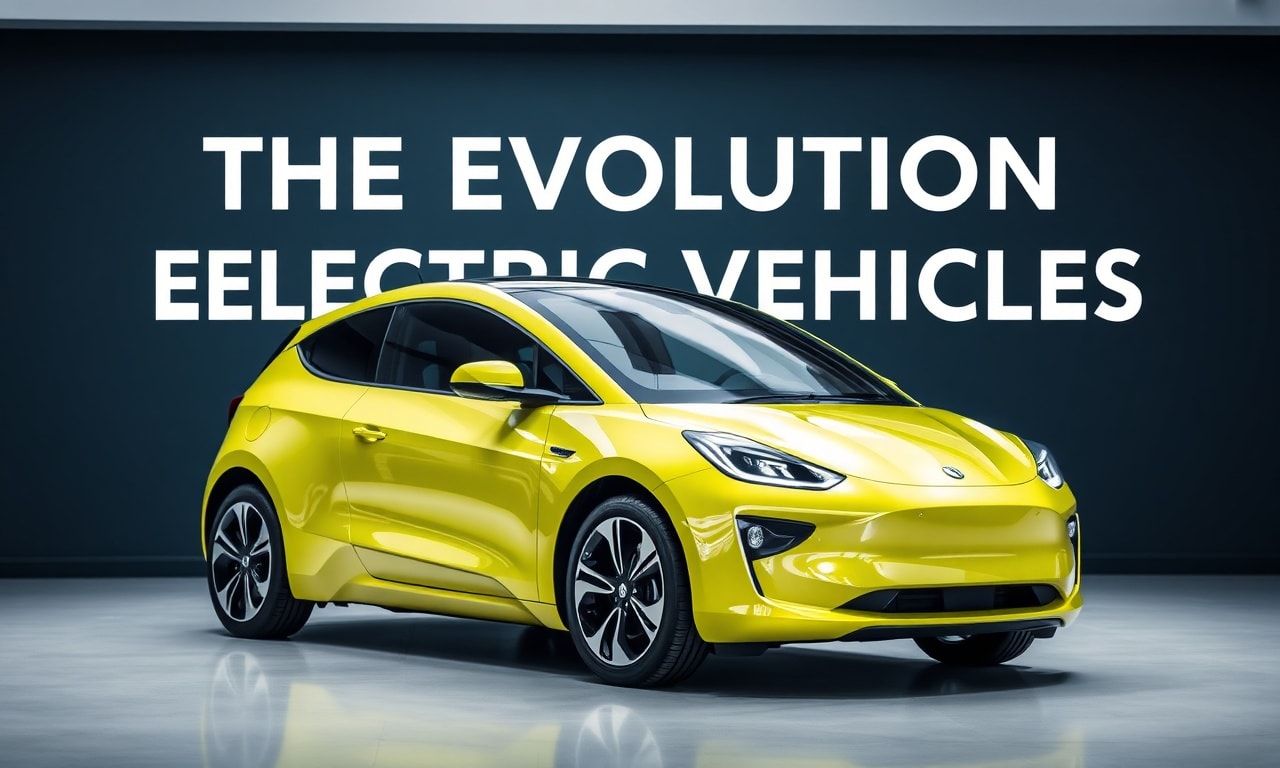
The Rise of Electric Vehicles
The automotive industry is undergoing a significant transformation, driven by the rise of electric vehicles (EVs). This shift is not just about reducing emissions but also about embracing new technologies and redefining the driving experience. EVs have come a long way from their early days, and today, they are a viable alternative to traditional internal combustion engine (ICE) vehicles. The evolution of EVs is a testament to human ingenuity and our commitment to a sustainable future.
The Technology Behind Electric Vehicles
At the heart of every electric vehicle is the electric motor, which is powered by a large battery pack. These batteries are typically lithium-ion, similar to those found in smartphones and laptops, but much larger and more powerful. The battery pack is the most expensive component of an EV, but advancements in battery technology are continually driving down costs and improving performance. Modern EVs can travel over 300 miles on a single charge, and some luxury models can exceed 400 miles.
Another critical component is the regenerative braking system. This system captures energy that would otherwise be lost during braking and converts it back into electricity, which is then used to recharge the battery. This not only extends the range of the vehicle but also reduces wear and tear on the braking system.
Charging Infrastructure
The success of EVs is heavily dependent on the availability of a robust charging infrastructure. While home charging is convenient, public charging stations are essential for long-distance travel. Companies like Tesla, ChargePoint, and Electrify America are investing heavily in building a network of fast-charging stations across the globe. These stations can charge an EV to 80% capacity in as little as 30 minutes, making them a practical option for daily use.
In addition to fast-charging stations, there are also slower, Level 2 chargers that can be installed at homes and workplaces. These chargers take longer to charge an EV but are more affordable and suitable for overnight charging. The combination of fast and slow charging options ensures that EV owners have a reliable and convenient way to keep their vehicles powered.
The Environmental Impact of Electric Vehicles
One of the primary reasons for the shift towards EVs is their environmental benefits. EVs produce zero tailpipe emissions, which means they do not contribute to air pollution. This is particularly important in urban areas where air quality is a significant concern. By reducing the number of ICE vehicles on the road, we can improve public health and reduce the carbon footprint of the transportation sector.
However, it’s essential to consider the entire lifecycle of an EV, from the production of the battery to its disposal. The mining of raw materials for batteries, such as lithium and cobalt, can have environmental and social impacts. To mitigate these issues, automakers are investing in recycling programs and developing batteries that use more sustainable materials.
Government Incentives and Regulations
Governments around the world are playing a crucial role in promoting the adoption of EVs. Incentives such as tax credits, rebates, and exemptions from certain fees make EVs more affordable for consumers. Additionally, regulations that limit the sale of new ICE vehicles and mandate the adoption of EVs are accelerating the transition to electric mobility.
For example, the European Union has set a target to reduce CO2 emissions from new cars by 37.5% by 2030, compared to 2021 levels. This target is driving automakers to invest heavily in EV technology and production. Similarly, China, the world’s largest auto market, has implemented strict regulations to promote the adoption of new energy vehicles (NEVs), which include EVs and plug-in hybrids.
The Future of Electric Vehicles
The future of EVs looks bright, with advancements in battery technology, charging infrastructure, and autonomous driving. As battery technology improves, we can expect EVs to become more affordable and offer longer ranges. Solid-state batteries, which are currently in development, promise to be safer, more energy-dense, and faster-charging than current lithium-ion batteries.
Autonomous driving is another area where EVs are expected to lead the way. The combination of electric propulsion and advanced driver-assistance systems (ADAS) is paving the way for fully autonomous vehicles. Companies like Tesla, Waymo, and Cruise are at the forefront of this technology, and we can expect to see significant advancements in the coming years.
In addition to technological advancements, the automotive industry is also focusing on sustainability. Automakers are investing in renewable energy sources to power their manufacturing facilities and developing recycling programs for EV batteries. These efforts are aimed at reducing the environmental impact of EVs and making them a truly sustainable transportation option.
Conclusion
The evolution of electric vehicles is a testament to human ingenuity and our commitment to a sustainable future. From the early days of limited range and high costs to today’s advanced EVs with impressive performance and affordability, the journey has been remarkable. As technology continues to advance and governments implement supportive policies, the adoption of EVs is set to accelerate. The future of transportation is electric, and it’s an exciting time to be part of this transformation.
For those interested in staying updated on the latest developments in the automotive world, including actualizaciones de la liga española hoy, there are numerous resources available online. These resources provide valuable insights into the latest trends, technologies, and regulations shaping the future of the automotive industry.
To keep your vehicle in top condition, delve into essential car maintenance principles and discover how advancing technologies are revolutionizing the auto industry.
To ensure your auto parts business thrives online, consider these essential e-commerce success tips tailored for the competitive vehicle industry.
Curious about the next big thing in cars? Discover what’s in store for the auto industry by 2026 with our latest feature on emerging automotive technologies.