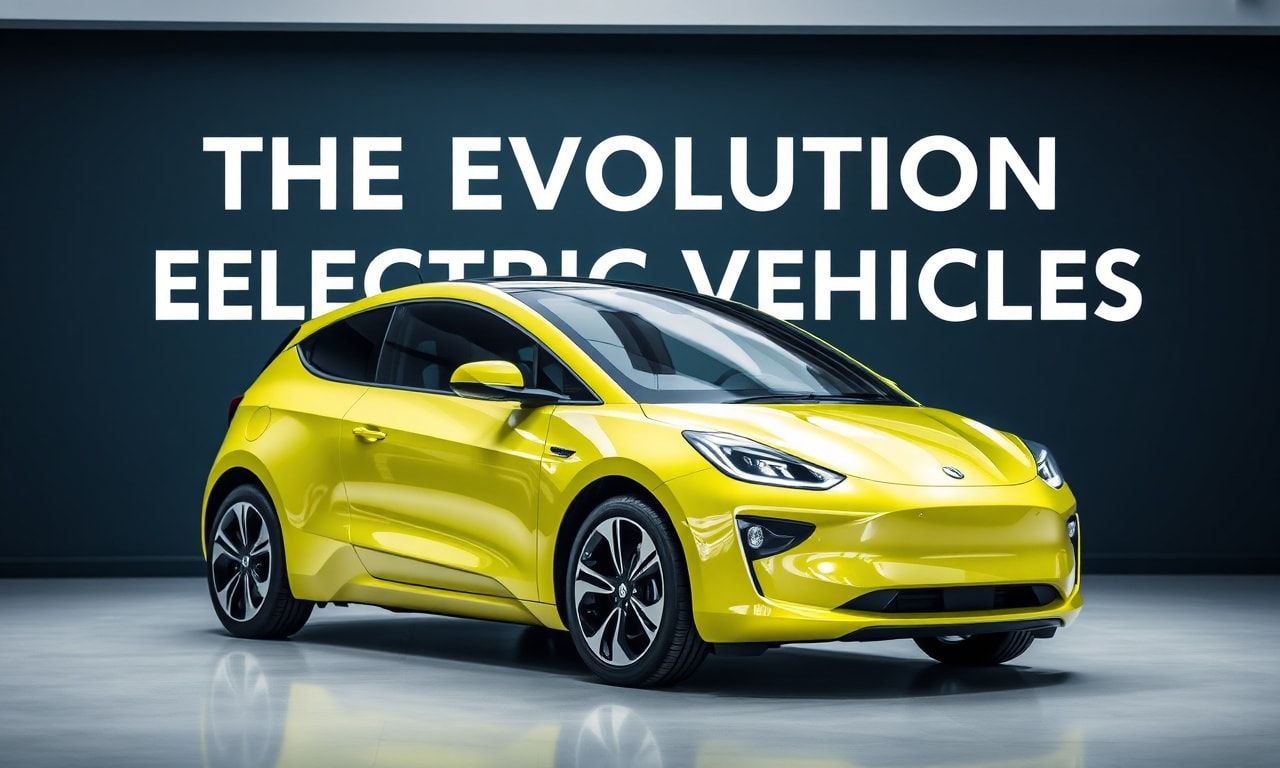
The Rise of Electric Vehicles
The automotive industry has witnessed a significant shift in recent years, with electric vehicles (EVs) taking center stage. This transformation is driven by a growing awareness of environmental issues, advancements in technology, and supportive government policies. The rise of EVs is not just a trend; it’s a revolution that is reshaping the future of transportation.
Electric vehicles offer numerous benefits over their traditional internal combustion engine (ICE) counterparts. They produce zero tailpipe emissions, reducing air pollution and greenhouse gas emissions. Additionally, EVs are more energy-efficient and have lower operating costs, making them an attractive option for consumers and businesses alike.
As the demand for EVs continues to grow, automakers are investing heavily in research and development to improve battery technology, increase range, and reduce charging times. This innovation is crucial for the widespread adoption of electric vehicles and the eventual phase-out of fossil fuel-powered cars.
The Technology Behind Electric Vehicles
The heart of an electric vehicle is its battery pack, which stores the electrical energy needed to power the motor. Lithium-ion batteries are currently the most common type used in EVs due to their high energy density and long lifespan. However, advancements in solid-state batteries and other alternative technologies promise even greater improvements in performance and safety.
Another critical component of EVs is the electric motor, which converts electrical energy into mechanical energy to drive the wheels. Unlike traditional engines, electric motors are simpler in design, have fewer moving parts, and require less maintenance. This results in lower maintenance costs and increased reliability for EV owners.
Charging infrastructure is also a vital aspect of the EV ecosystem. As more people adopt electric vehicles, the need for convenient and fast-charging stations grows. Companies and governments are collaborating to expand the network of charging stations, making it easier for EV owners to travel long distances without worrying about running out of power.
The Environmental Impact of Electric Vehicles
One of the primary reasons for the shift towards electric vehicles is their positive environmental impact. EVs produce zero tailpipe emissions, which means they do not contribute to air pollution or climate change while driving. This is a significant advantage over traditional vehicles, which emit harmful pollutants such as carbon dioxide, nitrogen oxides, and particulate matter.
However, it’s essential to consider the entire lifecycle of an electric vehicle, including the production of batteries and the source of the electricity used for charging. While the production of lithium-ion batteries can have environmental impacts, the overall emissions from EVs are still lower than those from conventional vehicles over their lifetime. Additionally, as the electricity grid becomes greener with more renewable energy sources, the environmental benefits of EVs will continue to increase.
To further reduce the environmental impact of electric vehicles, automakers and researchers are exploring sustainable materials for battery production and developing recycling programs for used batteries. These efforts aim to minimize waste and conserve natural resources, making the EV industry more sustainable in the long run.
The Future of Electric Vehicles
The future of electric vehicles looks promising, with continued advancements in technology and increasing consumer adoption. Automakers are investing in the development of new EV models, ranging from compact cars to luxury vehicles and commercial trucks. This diversity in offerings caters to a wide range of consumer needs and preferences, accelerating the transition to electric mobility.
Governments around the world are also playing a crucial role in promoting the adoption of electric vehicles. Through incentives such as tax credits, rebates, and subsidies, policymakers are making EVs more affordable and accessible to consumers. Additionally, regulations aimed at reducing emissions and phasing out the sale of new ICE vehicles are driving the automotive industry towards a greener future.
As the EV market continues to grow, it is essential for consumers to stay informed about the latest developments and best practices. For those interested in sharing their knowledge and experiences, platforms like ecommerce guest posting dos and don’ts offer valuable insights into effective content creation and sharing in the automotive niche.
The Role of Electric Vehicles in Smart Cities
Electric vehicles are not just transforming the automotive industry; they are also playing a crucial role in the development of smart cities. Smart cities leverage technology and data to improve urban living, and EVs are an integral part of this vision. By integrating EVs with smart grids and renewable energy sources, cities can reduce their carbon footprint and enhance energy efficiency.
One of the key benefits of EVs in smart cities is their ability to support vehicle-to-grid (V2G) technology. V2G allows electric vehicles to store energy and feed it back into the grid when demand is high, helping to stabilize the electrical grid and reduce the need for peak power generation. This not only enhances the reliability of the grid but also provides economic benefits for EV owners.
Additionally, EVs can be integrated with smart transportation systems to optimize traffic flow and reduce congestion. By collecting and analyzing data from EVs, cities can develop more efficient routing algorithms and improve public transportation services. This holistic approach to urban mobility contributes to a more sustainable and livable environment for residents.
Conclusion
The evolution of electric vehicles represents a significant milestone in the automotive industry and a critical step towards a more sustainable future. As technology continues to advance and consumer adoption grows, EVs will play an increasingly important role in shaping the way we travel and interact with our environment. By embracing innovation and collaboration, we can accelerate the transition to electric mobility and create a cleaner, greener world for future generations.
Ever wondered how to enjoy your favorite brew on long road trips? Discover the best ways to travel with portable coffee makers and keep your caffeine fix going strong.
As the automotive industry evolves, electric vehicles are at the forefront of this transformation; delve into the future of mobility with our feature on electric cars shaping tomorrow’s roads.
While we often focus on the road, it’s important to find joy in our daily lives too, and this article on discovering happiness at home offers some great insights to help you do just that.