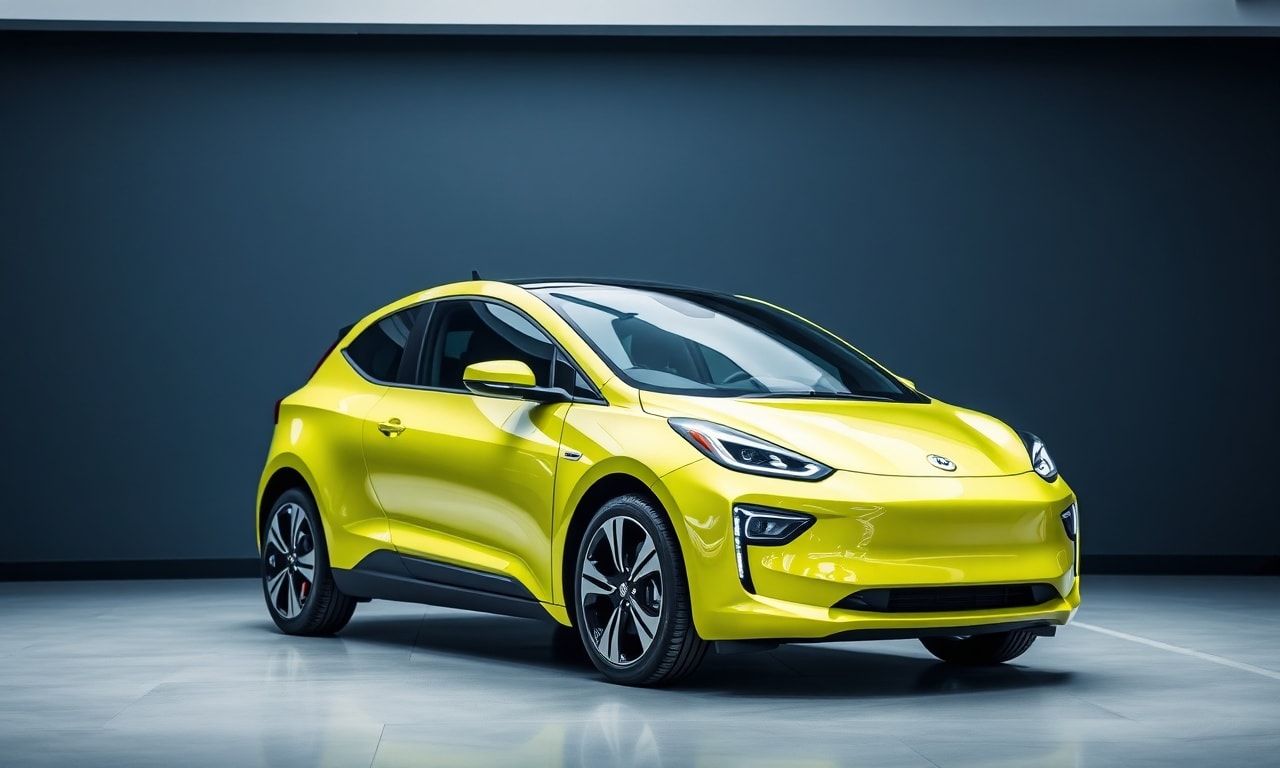
The Rise of Electric Vehicles
The automotive industry has witnessed a significant shift in recent years, with electric vehicles (EVs) taking center stage. This transformation is driven by a growing awareness of environmental issues, advancements in battery technology, and supportive government policies. The rise of EVs is not just a trend but a fundamental change in how we perceive and use transportation.
The Environmental Impact
One of the primary reasons for the surge in EV popularity is their positive environmental impact. Unlike traditional internal combustion engine (ICE) vehicles, EVs produce zero tailpipe emissions. This reduction in greenhouse gases is crucial in the fight against climate change. Additionally, the energy efficiency of EVs is significantly higher than that of gasoline-powered vehicles, making them a more sustainable choice.
Reducing Carbon Footprint
EVs contribute to a lower carbon footprint over their lifecycle. Even when considering the energy used in manufacturing and battery production, EVs typically emit less CO2 than conventional cars. As the electricity grid becomes greener with more renewable energy sources, the environmental benefits of EVs will continue to grow.
Technological Advancements
The rapid advancement in battery technology has been a game-changer for the EV industry. Lithium-ion batteries, which are the most common type used in EVs, have seen significant improvements in energy density, safety, and cost. These advancements have made EVs more affordable and capable of longer ranges, addressing two of the main concerns for potential buyers.
Innovations in Battery Technology
Researchers are continuously exploring new battery chemistries and designs to enhance performance and reduce costs. Solid-state batteries, for example, promise higher energy densities and improved safety compared to current lithium-ion batteries. Additionally, fast-charging technologies are being developed to reduce the time it takes to recharge an EV, making them more convenient for long-distance travel.
The Role of Government Policies
Government policies and incentives have played a crucial role in accelerating the adoption of EVs. Many countries have implemented subsidies, tax credits, and other financial incentives to make EVs more affordable for consumers. Additionally, regulations aimed at reducing emissions from transportation have encouraged automakers to invest in EV development.
Supportive Infrastructure
To support the growing number of EVs on the road, governments and private companies are investing in charging infrastructure. The availability of fast-charging stations and home charging solutions has made EV ownership more practical. Initiatives like Bağcılar’da güncel spor haberleri highlight the importance of community engagement and support in promoting sustainable transportation options.
Challenges and Future Prospects
Despite the numerous benefits, the EV industry still faces several challenges. These include the need for more robust charging infrastructure, the environmental impact of battery production, and the availability of raw materials. However, the future prospects for EVs are bright, with continued technological advancements and increasing consumer acceptance.
Overcoming Challenges
To address these challenges, the industry is focusing on developing more sustainable battery materials and improving recycling processes. Innovations in wireless charging and vehicle-to-grid (V2G) technology are also being explored to enhance the convenience and efficiency of EV ownership.
Future Trends
The future of EVs is promising, with advancements in autonomous driving technology and connected cars set to revolutionize the automotive industry. As EVs become more integrated into smart city initiatives, they will play a key role in creating more sustainable and efficient urban environments.
As the auto industry shifts towards sustainable mobility, understanding the future of electric vehicles is crucial; delve into electric cars’ promising advancements to stay informed.
While we often focus on automotive advancements, it’s intriguing to see how new technologies are transforming healthcare; explore the innovations in health applications and consider the parallels in our industry.
If you’re curious about how technology is reshaping the automotive world, our latest feature revealing daily tech transformations offers a fascinating look at innovations driving change in cars and vehicles.