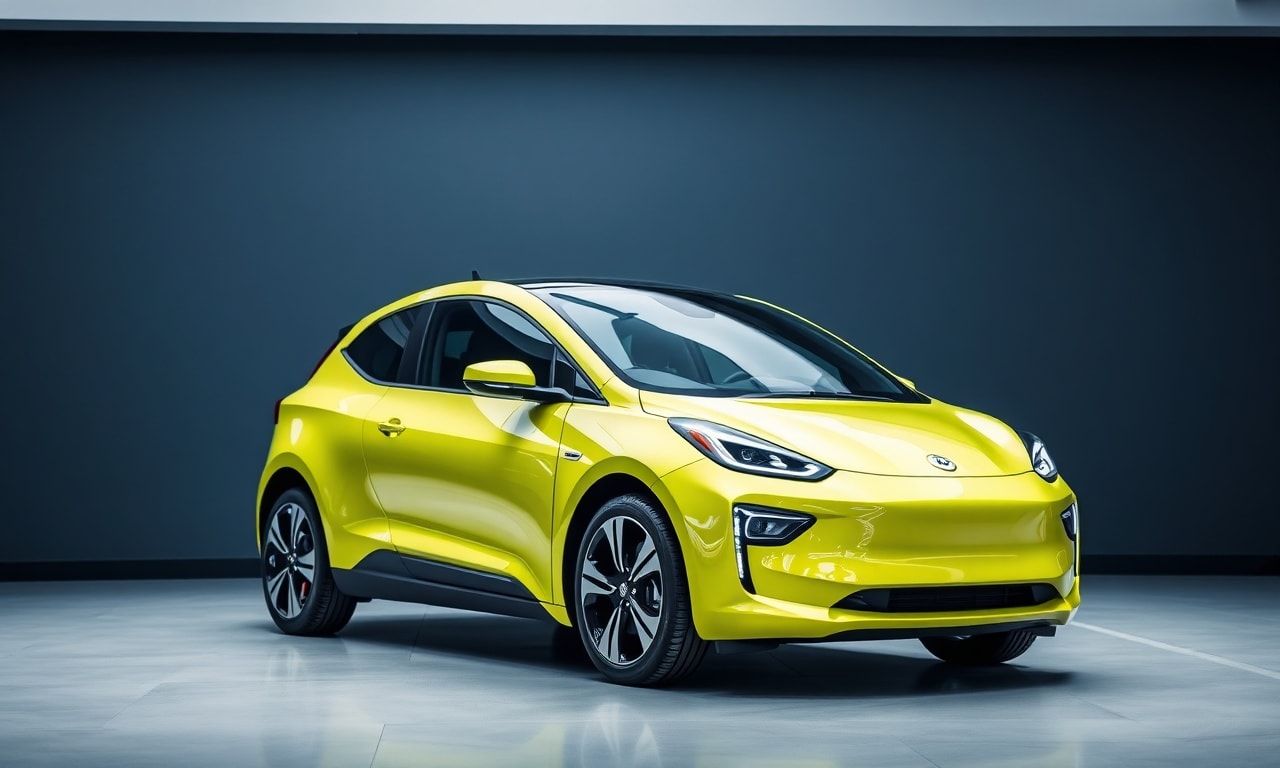
The Rise of Electric Vehicles
The automotive industry is undergoing a significant transformation with the rise of electric vehicles (EVs). This shift is driven by a combination of environmental concerns, technological advancements, and government regulations. EVs are no longer a niche market but are becoming mainstream, with major automakers investing heavily in electric technology. The transition to electric vehicles is not just about reducing emissions but also about improving energy efficiency and reducing dependence on fossil fuels.
Electric vehicles offer several advantages over traditional internal combustion engine (ICE) vehicles. They produce zero tailpipe emissions, which is beneficial for air quality and public health. Additionally, EVs are generally quieter and require less maintenance, as they have fewer moving parts. The initial cost of EVs can be higher, but the total cost of ownership is often lower due to savings on fuel and maintenance.
Governments around the world are implementing policies to support the adoption of EVs. Incentives such as tax credits, subsidies, and rebates are making EVs more affordable. Additionally, many countries have set targets to phase out the sale of new ICE vehicles in the coming decades. These policies are driving the rapid growth of the EV market and accelerating the transition to a more sustainable transportation system.
The Technology Behind Electric Vehicles
The technology behind electric vehicles is complex and involves several key components. The most critical component is the battery, which stores the electrical energy that powers the vehicle. Lithium-ion batteries are currently the most common type of battery used in EVs, but research is ongoing to develop more advanced and efficient battery technologies.
Another important component is the electric motor, which converts electrical energy into mechanical energy to drive the wheels. Electric motors are highly efficient and can provide instant torque, which results in smooth and responsive acceleration. The power electronics system manages the flow of electrical energy between the battery and the motor, ensuring optimal performance and efficiency.
The charging infrastructure is also a crucial aspect of the EV ecosystem. Fast-charging stations are being deployed in urban areas and along highways to provide convenient and rapid charging options. Home charging solutions are also available, allowing EV owners to charge their vehicles overnight. The development of wireless charging technology is another area of innovation that could further enhance the convenience of EV ownership.
The Impact of Electric Vehicles on the Automotive Industry
The rise of electric vehicles is having a profound impact on the automotive industry. Traditional automakers are investing heavily in electric technology to stay competitive in the market. Many companies are developing new EV models and expanding their electric vehicle lineups. The shift to electric vehicles is also driving innovation in battery technology, charging infrastructure, and vehicle design.
The automotive industry is also facing challenges related to the transition to electric vehicles. The production of EVs requires different materials and manufacturing processes, which can be costly and complex. Additionally, the supply chain for EV components is still developing, and there are concerns about the availability of raw materials such as lithium and cobalt. The industry is working to address these challenges and develop sustainable solutions for the production of electric vehicles.
For those interested in the broader implications of technological advancements, including those in education and other sectors, resources like helsingin uutiset koulutus provide valuable insights into how innovation is shaping various industries.
The Future of Electric Vehicles
The future of electric vehicles looks promising, with continued advancements in technology and increasing consumer adoption. The development of solid-state batteries, which offer higher energy density and improved safety, is one area of research that could significantly enhance the performance and range of EVs. Additionally, the integration of artificial intelligence and autonomous driving technology could further revolutionize the EV experience.
The expansion of the charging infrastructure is also crucial for the widespread adoption of electric vehicles. Governments and private companies are investing in the development of fast-charging networks and wireless charging solutions. The goal is to create a seamless and convenient charging experience for EV owners, making electric vehicles a viable option for all types of driving needs.
As the automotive industry continues to evolve, electric vehicles will play a central role in shaping the future of transportation. The transition to electric vehicles is not just about reducing emissions but also about creating a more sustainable and efficient transportation system. The collaboration between automakers, governments, and technology companies will be essential in driving this transformation and achieving a cleaner and greener future.
Conclusion
The rise of electric vehicles represents a significant shift in the automotive industry. The advantages of EVs, including zero tailpipe emissions, lower maintenance costs, and improved energy efficiency, make them an attractive option for consumers. The technology behind electric vehicles is complex and involves key components such as batteries, electric motors, and power electronics systems. The impact of EVs on the automotive industry is profound, driving innovation and addressing challenges related to production and supply chain management.
The future of electric vehicles looks promising, with continued advancements in technology and increasing consumer adoption. The development of solid-state batteries, the expansion of the charging infrastructure, and the integration of autonomous driving technology are just a few examples of the innovations that will shape the future of EVs. As the automotive industry continues to evolve, electric vehicles will play a central role in creating a more sustainable and efficient transportation system.
To keep your vehicle in top condition, delve into essential car maintenance principles and stay updated with the latest automotive news.
If you’re planning a road trip or an off-road adventure, consider exploring some of the perfect spots for outdoor fun that can help you make the most of your vehicle’s capabilities while enjoying nature.
As the automotive industry evolves, electric vehicles are at the forefront of this change; discover how they are shaping the future of mobility in our detailed article exploring electric vehicle advancements.