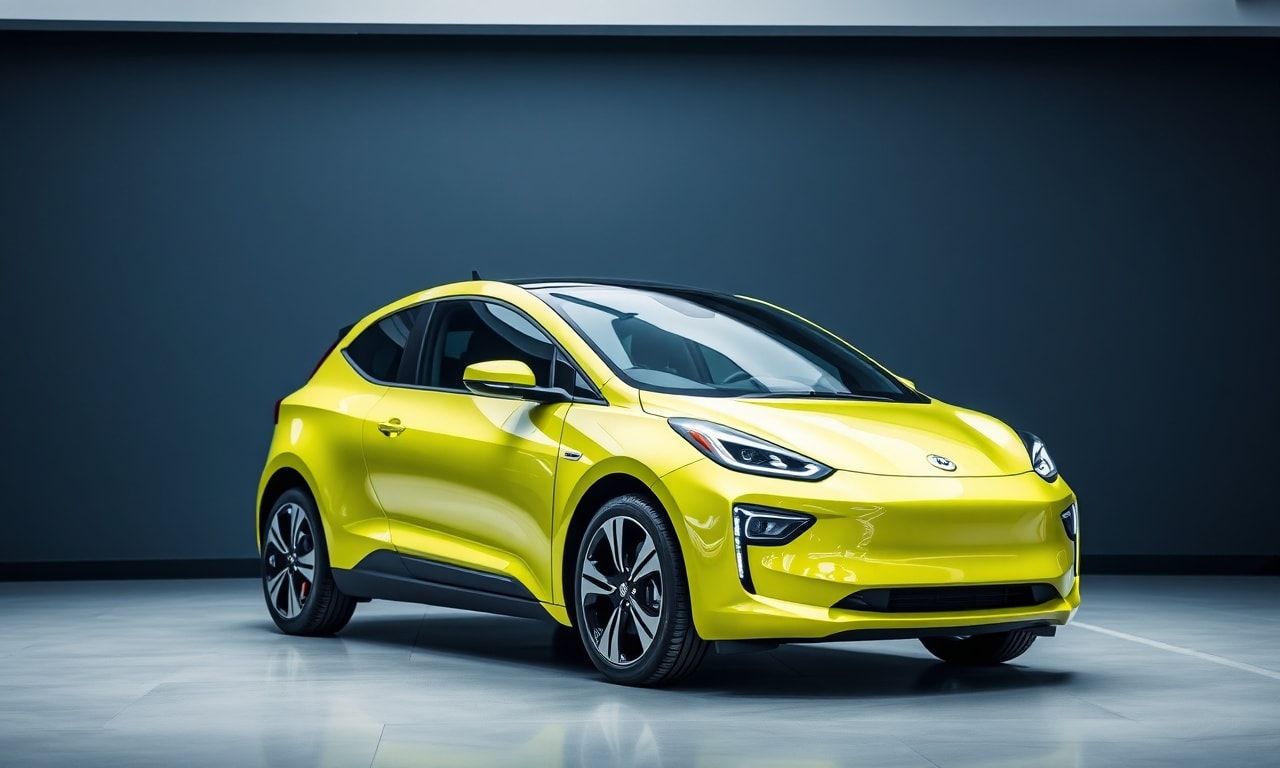
The Rise of Electric Vehicles
The automotive industry is undergoing a significant transformation with the rise of electric vehicles (EVs). This shift is driven by advancements in technology, environmental concerns, and a growing demand for sustainable transportation. EVs are no longer a niche market but are becoming mainstream, with major automakers investing heavily in electric vehicle technology. This article explores the evolution of EVs, their benefits, challenges, and what the future holds for this rapidly growing sector.
The Evolution of Electric Vehicles
The concept of electric vehicles dates back to the early 19th century, but it was not until the late 20th century that EVs began to gain traction. The first modern electric car, the General Motors EV1, was introduced in the 1990s. However, it was the Tesla Roadster, launched in 2008, that truly revolutionized the EV market. Since then, the industry has seen rapid growth, with numerous models and brands entering the market. Today, EVs are more affordable, efficient, and technologically advanced than ever before.
Key Milestones in EV Development
The development of electric vehicles has been marked by several key milestones:
- 1830s-1840s: The first electric vehicles were developed, primarily as small-scale, experimental projects.
- 1890-1920: Electric vehicles gained popularity due to their simplicity and ease of use, especially among women.
- 1990s: The introduction of the General Motors EV1 marked a significant step forward in EV technology.
- 2008: Tesla Motors launched the Roadster, the first highway-legal all-electric vehicle to use lithium-ion battery cells.
- 2020s: Major automakers like Ford, Volkswagen, and BMW have announced plans to transition to electric vehicle production.
Benefits of Electric Vehicles
Electric vehicles offer numerous benefits over traditional internal combustion engine (ICE) vehicles. These benefits include:
- Environmental Impact: EVs produce zero tailpipe emissions, reducing air pollution and greenhouse gas emissions.
- Energy Efficiency: EVs convert over 77% of the electrical energy from the grid to power at the wheels, compared to only 12%-30% for gasoline vehicles.
- Lower Operating Costs: Electricity is generally less expensive than gasoline, and EVs require less maintenance due to fewer moving parts.
- Performance: EVs offer instant torque and smooth acceleration, providing a superior driving experience.
Challenges Facing Electric Vehicles
Despite their numerous benefits, electric vehicles still face several challenges that need to be addressed for widespread adoption. Some of these challenges include:
- Battery Technology: While significant advancements have been made, battery technology still needs to improve in terms of energy density, charging speed, and cost.
- Charging Infrastructure: The availability of charging stations is still limited in many areas, which can be a barrier for potential EV buyers.
- Range Anxiety: Although the range of EVs has improved, many consumers still worry about running out of power before reaching their destination.
- Initial Cost: The upfront cost of EVs is still higher than that of traditional vehicles, although this is expected to change as technology advances and economies of scale are achieved.
Addressing the Challenges
To overcome these challenges, the automotive industry and governments around the world are investing in research and development. For instance, discussions on temas tendencia discusiones populares often highlight the importance of improving battery technology and expanding charging infrastructure. Additionally, incentives such as tax credits and rebates are being offered to make EVs more affordable for consumers.
The Future of Electric Vehicles
The future of electric vehicles looks promising, with several trends and developments on the horizon. These include:
- Autonomous Driving: The integration of autonomous driving technology with EVs is expected to revolutionize the way we travel.
- Wireless Charging: The development of wireless charging technology could eliminate the need for physical charging stations.
- Solid-State Batteries: Research into solid-state batteries could lead to significant improvements in energy density and safety.
- Sustainable Materials: The use of sustainable materials in EV production is becoming increasingly important, as consumers demand more eco-friendly options.
The automotive industry is on the cusp of a major transformation, with electric vehicles leading the charge. As technology continues to advance and challenges are addressed, EVs are poised to become the dominant form of transportation in the coming decades. For those interested in staying updated on the latest trends and discussions in the automotive world, exploring temas tendencia discusiones populares can provide valuable insights and information.
As technology advances, it’s not just our vehicles that are evolving; our communication devices are too. Discover how mobile tech has transformed from bulky bricks to sleek folds, and what that means for our always-connected world.
If you’re looking to enhance your vehicle’s performance and longevity, consider exploring transforming your car’s maintenance routine for a smoother, more efficient drive.
As the automotive industry shifts towards sustainable mobility, understanding the role of electric vehicles is crucial; delve into the future of transportation to stay informed about this transformative trend.