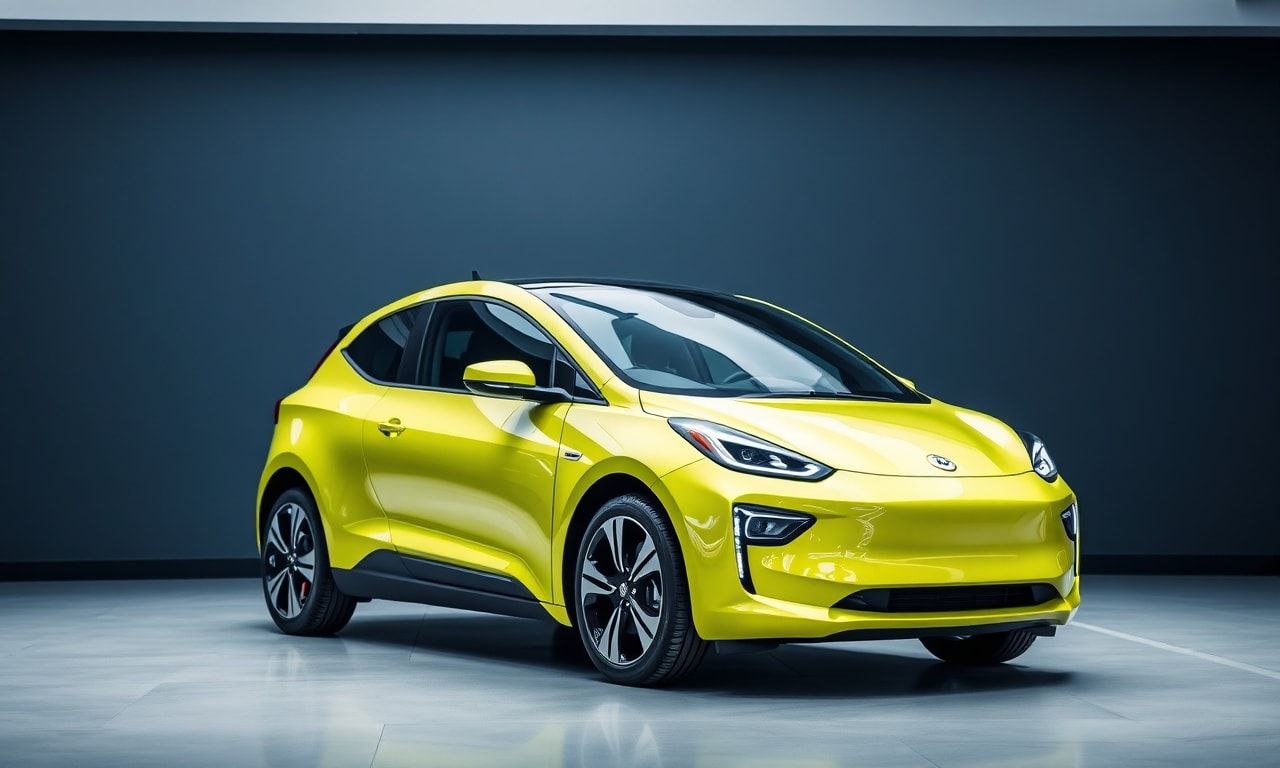
The Rise of Electric Vehicles
The automotive industry is undergoing a significant transformation with the rise of electric vehicles (EVs). This shift is driven by a combination of environmental concerns, technological advancements, and government regulations. EVs are no longer a niche market but are becoming mainstream, with major automakers investing heavily in electric vehicle technology. The benefits of EVs, including lower emissions, reduced fuel costs, and quieter operation, make them an attractive option for consumers.
The Technology Behind Electric Vehicles
Electric vehicles rely on advanced technology to deliver performance and efficiency. The heart of an EV is its battery pack, which stores the electrical energy needed to power the vehicle. Modern EVs use lithium-ion batteries, which are known for their high energy density and long lifespan. The electric motor, another critical component, converts electrical energy into mechanical energy to drive the wheels. These motors are often more efficient than traditional internal combustion engines, providing instant torque and smoother acceleration.
In addition to the battery and motor, EVs feature advanced regenerative braking systems. These systems capture energy that would otherwise be lost during braking and convert it back into electrical energy to recharge the battery. This not only improves the vehicle’s efficiency but also extends the range. Furthermore, EVs are equipped with sophisticated onboard computers that manage battery charging, energy distribution, and overall vehicle performance.
The Role of Software in Modern EVs
Software plays a crucial role in the functionality and performance of modern electric vehicles. Advanced software algorithms optimize battery management, ensuring that the battery operates efficiently and safely. These algorithms monitor battery temperature, state of charge, and overall health, adjusting charging and discharging cycles as needed. Additionally, software updates can enhance vehicle performance, add new features, and fix any issues that arise, making EVs more versatile and user-friendly.
Software also enables connectivity features in EVs, allowing drivers to remotely monitor and control their vehicles. Through smartphone apps, drivers can check battery levels, pre-condition the cabin temperature, and even locate their vehicle. These features add convenience and enhance the overall ownership experience.
The Environmental Impact of Electric Vehicles
One of the primary reasons for the growing popularity of electric vehicles is their positive environmental impact. EVs produce zero tailpipe emissions, significantly reducing air pollution and greenhouse gas emissions. This is particularly important in urban areas, where air quality is a major concern. According to New York latest news today update, the city has been actively promoting the adoption of EVs to combat air pollution and meet climate goals.
However, the environmental benefits of EVs extend beyond tailpipe emissions. The production of EVs, particularly the manufacturing of batteries, does have an environmental footprint. The mining of raw materials like lithium and cobalt can have significant environmental and social impacts. To mitigate these issues, automakers are investing in sustainable practices and recycling programs. The goal is to create a closed-loop system where materials are reused, reducing the need for new mining activities.
The Future of EV Battery Technology
The future of electric vehicles is closely tied to advancements in battery technology. Researchers are exploring new materials and chemistries to improve battery performance, reduce costs, and enhance safety. Solid-state batteries, for example, are being developed to offer higher energy density, faster charging times, and improved safety compared to traditional lithium-ion batteries. These advancements could significantly extend the range of EVs and make them more accessible to a broader audience.
Another area of innovation is in battery recycling. As the number of EVs on the road increases, so does the need for effective recycling solutions. Automakers and researchers are developing methods to recover valuable materials from used batteries, reducing waste and conserving resources. This not only benefits the environment but also helps to lower the cost of EV production.
The Economic Factors Influencing EV Adoption
The adoption of electric vehicles is influenced by a variety of economic factors. The initial cost of EVs is often higher than that of traditional internal combustion engine vehicles. However, the total cost of ownership can be lower due to reduced fuel and maintenance costs. Governments around the world are offering incentives, such as tax credits and rebates, to make EVs more affordable and encourage their adoption.
In addition to government incentives, the development of charging infrastructure is crucial for the widespread adoption of EVs. As more charging stations are installed, range anxiety decreases, making EVs a more viable option for consumers. Automakers are also investing in fast-charging technologies that can significantly reduce the time it takes to charge an EV, making them more convenient for long-distance travel.
The Role of Government Policies
Government policies play a significant role in shaping the future of the automotive industry. Many countries have set ambitious targets to phase out the sale of new internal combustion engine vehicles and promote the adoption of EVs. These policies include subsidies, tax incentives, and regulations that encourage automakers to invest in electric vehicle technology. By creating a supportive regulatory environment, governments can accelerate the transition to a more sustainable transportation system.
Furthermore, governments are investing in research and development to advance EV technology. Collaborations between public and private sectors can lead to breakthroughs in battery technology, charging infrastructure, and vehicle design. These investments not only drive innovation but also create jobs and stimulate economic growth.
The Future of Electric Vehicles
The future of electric vehicles looks promising, with continued advancements in technology and increasing consumer acceptance. As battery technology improves, EVs will offer longer ranges, faster charging times, and lower costs. The development of autonomous driving technology is also expected to complement the growth of EVs, creating a new era of smart and sustainable transportation.
Automakers are already planning for a future where EVs dominate the market. Traditional automakers are investing heavily in electric vehicle development, while new players are emerging to challenge the status quo. This competition is driving innovation and making EVs more accessible to consumers. As the automotive industry continues to evolve, electric vehicles will play a central role in shaping the future of transportation.
The transition to electric vehicles is not just a technological shift but a cultural one as well. Consumers are becoming more aware of the environmental and economic benefits of EVs, driving demand for these vehicles. As the market grows, the automotive industry will continue to innovate, creating new opportunities and challenges. The future of electric vehicles is bright, and their impact on the automotive industry and society as a whole will be profound.
While we’re all about the latest in automotive trends, it’s fascinating to see how entertainment shapes global culture; check out 2023’s top cultural moments for a refreshing perspective.
As technology continues to reshape the automotive industry, discover how virtual and augmented reality are transforming vehicle design and maintenance in our insightful piece on future tech in automotive.
If you’re looking to combine style and functionality, much like the sleek designs of modern vehicles, explore active lifestyle fashion tips that keep you looking sharp while on the move.