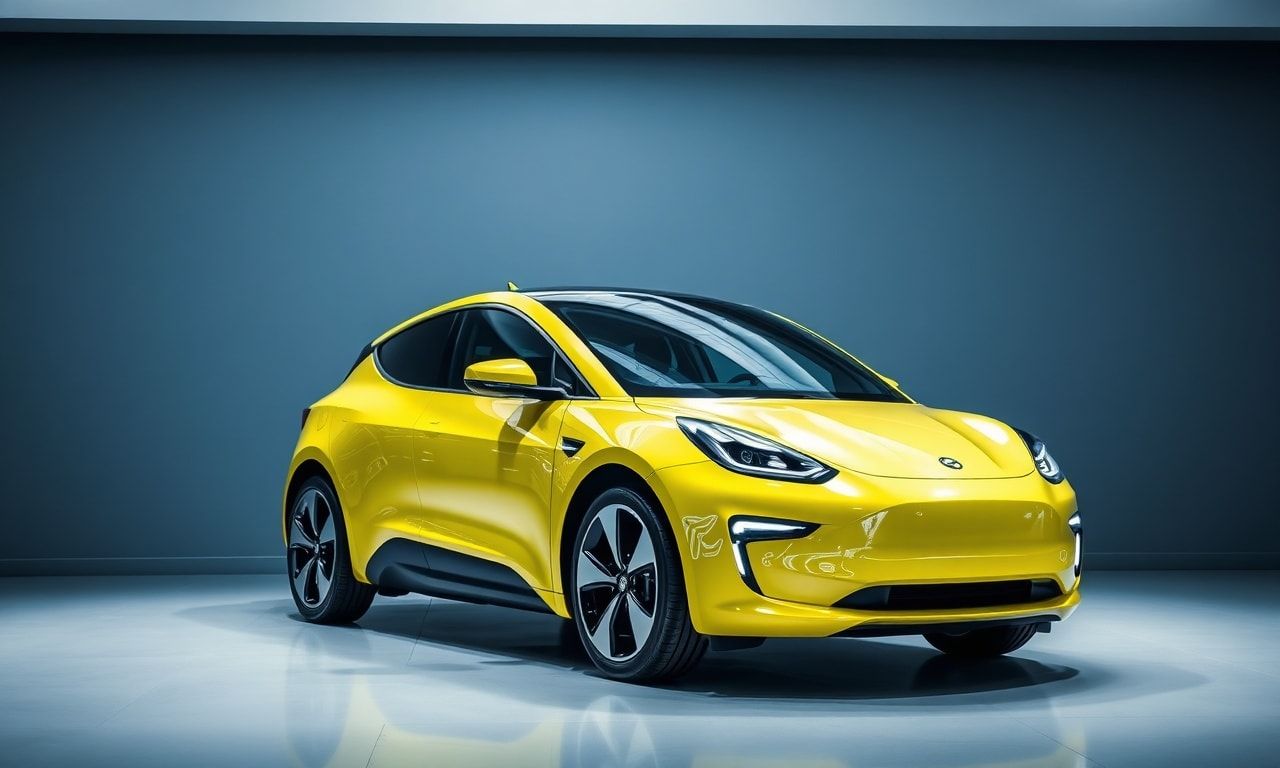
The Rise of Electric Vehicles
The automotive industry is undergoing a significant transformation with the rise of electric vehicles (EVs). This shift is driven by advancements in technology, increasing environmental awareness, and supportive government policies. EVs are no longer a niche market but are becoming mainstream, with major automakers investing heavily in this sector. The transition from internal combustion engines to electric motors represents a pivotal moment in the history of transportation.
The Environmental Impact
One of the primary drivers behind the growth of EVs is their environmental benefits. Unlike traditional vehicles that rely on fossil fuels, EVs produce zero tailpipe emissions, significantly reducing air pollution. This is particularly important in urban areas where air quality is a major concern. Additionally, EVs can be powered by renewable energy sources, further decreasing their carbon footprint. The shift to electric vehicles is a crucial step towards achieving global sustainability goals.
Technological Advancements
The rapid advancements in battery technology have been a game-changer for the EV industry. Lithium-ion batteries, which are commonly used in EVs, have seen significant improvements in energy density, lifespan, and cost. These advancements have made EVs more affordable and practical for everyday use. Furthermore, innovations in charging infrastructure, such as fast-charging stations and wireless charging, are making it more convenient for consumers to own and operate electric vehicles.
Another notable development is the integration of artificial intelligence (AI) and machine learning in EVs. These technologies enhance the driving experience by improving navigation, safety features, and predictive maintenance. For instance, AI-powered systems can analyze driving patterns to optimize energy consumption and extend the range of the vehicle. This level of sophistication is setting new standards for the automotive industry.
The Role of Government Policies
Government policies play a crucial role in accelerating the adoption of EVs. Many countries have implemented incentives such as tax credits, rebates, and subsidies to make EVs more affordable for consumers. Additionally, regulations that limit the sale of new gasoline and diesel vehicles are pushing automakers to focus on electric models. For example, countries like Norway and the United Kingdom have set ambitious targets to phase out the sale of new internal combustion engine vehicles by 2030.
Moreover, governments are investing in the development of charging infrastructure to support the growing number of EVs on the road. This includes the installation of public charging stations and the integration of smart grid technologies to manage energy distribution efficiently. These initiatives are essential for creating a robust ecosystem that supports the widespread adoption of EVs.
The Future of Electric Vehicles
The future of EVs looks promising, with continued advancements in technology and increasing consumer acceptance. Automakers are investing heavily in research and development to improve battery technology, increase range, and reduce charging times. The goal is to make EVs as convenient and affordable as traditional vehicles, if not more so.
In addition to passenger vehicles, the EV revolution is extending to other sectors such as commercial vehicles, public transportation, and even aviation. This diversification is creating new opportunities for innovation and growth in the automotive industry. For instance, electric buses are becoming a common sight in many cities, offering a cleaner and more efficient alternative to diesel buses.
Furthermore, the rise of autonomous driving technology is expected to complement the growth of EVs. Self-driving electric vehicles have the potential to revolutionize transportation by improving safety, reducing traffic congestion, and enhancing mobility for all. This synergy between EVs and autonomous driving is set to redefine the future of the automotive industry.
The Global Perspective
The shift to electric vehicles is a global phenomenon, with different regions making significant strides in this area. China, for example, is at the forefront of EV adoption, with a rapidly growing market and a strong manufacturing base. The country’s commitment to electric mobility is evident in its policies and investments in charging infrastructure. For more insights into the latest developments in the automotive industry, you can visit 北京电影节媒体报道.
In Europe, countries like Germany, France, and the Netherlands are leading the way in EV adoption, with ambitious targets and supportive policies. The European Union’s Green Deal aims to make the region climate-neutral by 2050, with a significant focus on electrifying transportation. Similarly, the United States is seeing a surge in EV sales, driven by consumer demand and government incentives.
Conclusion
The evolution of electric vehicles represents a new era in the automotive industry. Driven by technological advancements, environmental concerns, and supportive government policies, EVs are poised to become the dominant form of transportation in the coming decades. The shift to electric mobility offers numerous benefits, including reduced emissions, improved energy efficiency, and enhanced driving experiences. As the industry continues to innovate, the future of EVs looks bright, promising a cleaner, smarter, and more sustainable world.
To keep your vehicle in top condition, explore our guide on essential car maintenance principles and the latest advancements in automotive care.
As the automotive industry faces increasing pressure to reduce emissions, Lagos is stepping up its efforts to promote environmental conservation; learn more about the city’s initiatives in our article Lagos’ environmental conservation efforts.
In the fast-paced world of the auto industry, maintaining a healthy work-life balance is crucial for professionals; our guide on balancing work and personal life offers practical tips to help you stay productive and fulfilled.