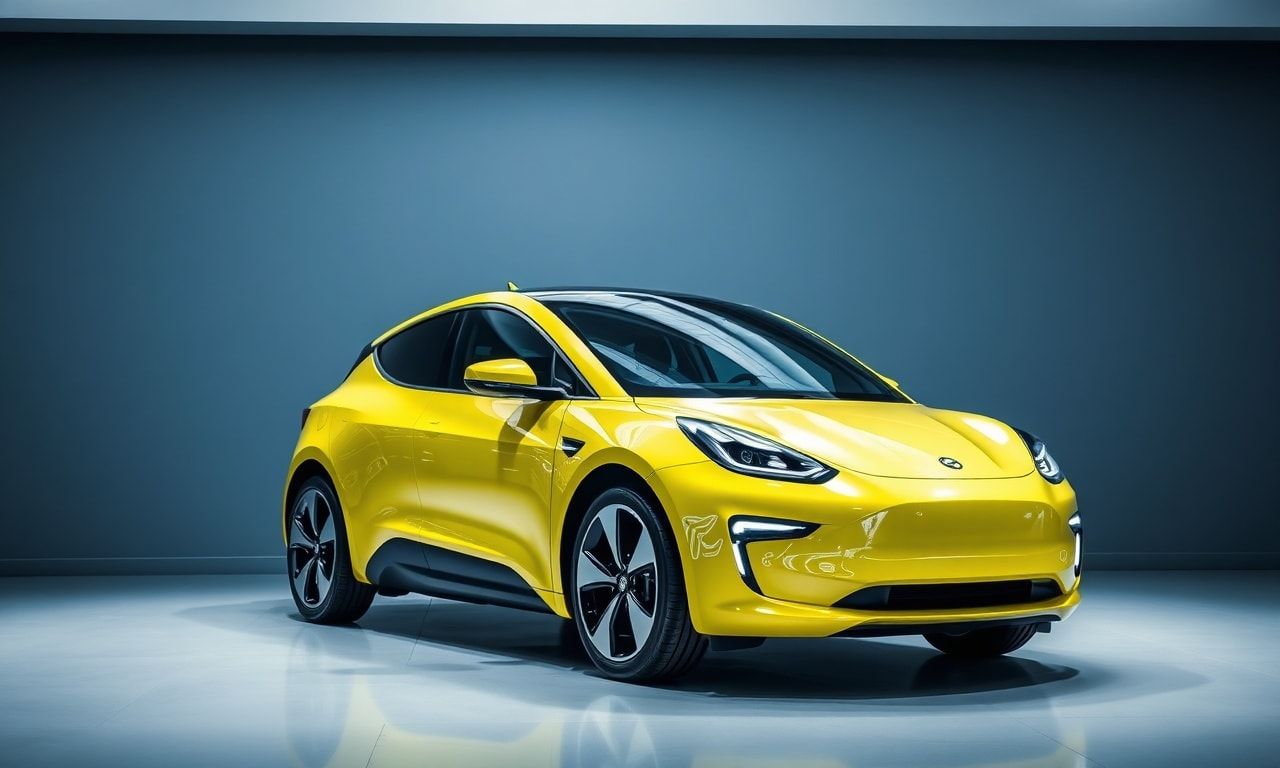
The Rise of Electric Vehicles
The automotive industry is undergoing a significant transformation with the rise of electric vehicles (EVs). This shift is driven by advancements in technology, increasing environmental awareness, and supportive government policies. EVs are no longer a niche market; they are becoming mainstream, with major automakers investing heavily in electric models. This article explores the evolution of electric vehicles, their impact on the industry, and what the future holds.
Electric vehicles have come a long way since their inception. Early models were limited by range anxiety and high costs, but today’s EVs offer impressive ranges and competitive pricing. The development of lithium-ion batteries has been a game-changer, allowing EVs to travel longer distances on a single charge. Additionally, fast-charging infrastructure is expanding rapidly, making EVs more convenient for daily use.
The Environmental Impact
One of the primary drivers behind the shift to electric vehicles is their environmental benefits. EVs produce zero tailpipe emissions, significantly reducing air pollution in urban areas. This is particularly important in cities where air quality is a major concern. Moreover, as the electricity grid becomes greener with more renewable energy sources, the overall environmental impact of EVs continues to decrease.
However, it’s important to note that the environmental benefits of EVs depend on how the electricity is generated. In regions where coal and other fossil fuels dominate the energy mix, the environmental advantages of EVs are less pronounced. Nevertheless, the trend towards renewable energy is expected to enhance the sustainability of EVs in the long run.
Technological Advancements
The technological advancements in electric vehicles are nothing short of remarkable. From improved battery technology to advanced driver-assistance systems (ADAS), EVs are at the forefront of automotive innovation. For instance, companies like Tesla have pioneered features such as over-the-air updates, which allow vehicles to receive software updates remotely, enhancing performance and adding new features without the need for a dealership visit.
Another significant advancement is the development of solid-state batteries, which promise even greater energy density and safety compared to current lithium-ion batteries. These batteries could potentially double the range of EVs and reduce charging times dramatically. Additionally, advancements in autonomous driving technology are making EVs even more appealing, as they offer a glimpse into a future where self-driving cars are the norm.
The Impact on the Automotive Industry
The rise of electric vehicles is reshaping the automotive industry in profound ways. Traditional automakers are investing billions in electric vehicle development, while new players are emerging to challenge the status quo. This shift is creating a more competitive market, driving innovation and pushing the boundaries of what is possible in automotive technology.
For consumers, the increasing availability of electric vehicles means more choices and better prices. As the market becomes more competitive, prices are expected to fall, making EVs more accessible to a broader range of consumers. This is particularly important for the adoption of electric vehicles in developing countries, where affordability is a key concern.
In the meantime, staying informed about the latest developments in the automotive industry can be crucial. For instance, keeping up with breaking news today summary can provide insights into regulatory changes, technological breakthroughs, and market trends that could impact the EV landscape.
The Future of Electric Vehicles
The future of electric vehicles looks bright, with several exciting developments on the horizon. One of the most anticipated advancements is the development of wireless charging technology, which would allow EVs to charge while parked or even while driving. This technology could eliminate range anxiety and make EVs even more convenient for daily use.
Another area of interest is the development of hydrogen fuel cell vehicles, which offer a different approach to zero-emission transportation. While hydrogen fuel cell vehicles are currently more expensive and less widely available than battery electric vehicles, they offer several advantages, such as faster refueling times and longer ranges. As technology advances, hydrogen fuel cell vehicles could become a viable alternative to battery electric vehicles.
In conclusion, the evolution of electric vehicles represents a new era in the automotive industry. With advancements in technology, increasing environmental awareness, and supportive government policies, EVs are poised to become the dominant form of transportation in the coming decades. As the market continues to evolve, consumers can expect more choices, better prices, and innovative features that make electric vehicles more appealing than ever before.