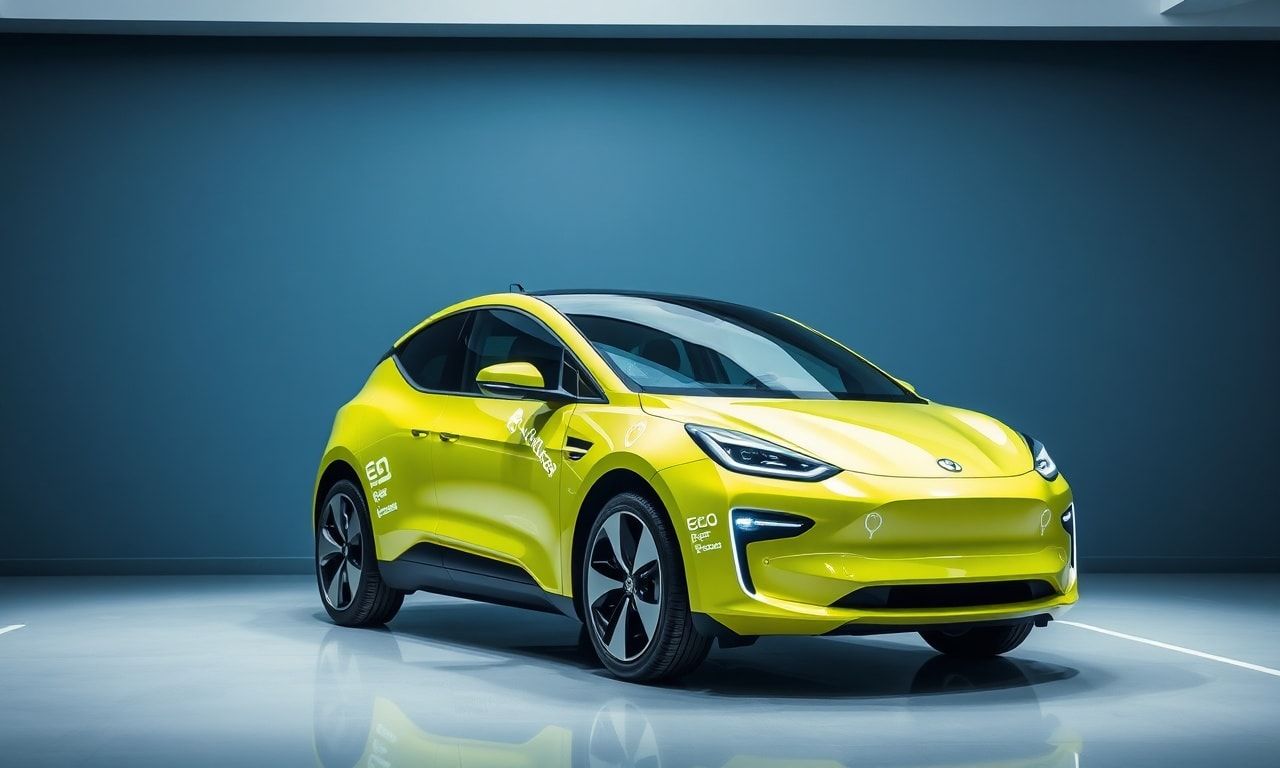
The Rise of Electric Vehicles
The automotive industry is undergoing a profound transformation, driven by the rapid rise of electric vehicles (EVs). This shift is not just about reducing emissions and combating climate change; it’s about redefining the very essence of personal transportation. From the humble beginnings of the electric car in the 19th century to today’s high-performance models, the journey of EVs has been nothing short of remarkable.
Early electric vehicles were limited by battery technology and range, but modern advancements have catapulted EVs into the mainstream. Companies like Tesla, Nissan, and Chevrolet have pioneered models that offer impressive range, acceleration, and cutting-edge technology. The Tesla Model S, for instance, can accelerate from 0 to 60 mph in just 1.99 seconds, making it one of the quickest production cars ever made.
As EVs become more popular, they are also becoming more accessible. Governments around the world are offering incentives for EV purchases, and charging infrastructure is expanding rapidly. This growth is not just benefiting the environment but also creating new opportunities for local communities. For those interested in staying updated on the latest developments, checking out local community events and updates can provide valuable insights into the evolving landscape of electric vehicles.
The Benefits of Electric Vehicles
Electric vehicles offer numerous advantages over traditional internal combustion engine (ICE) vehicles. The most significant benefit is the reduction in greenhouse gas emissions. EVs produce zero tailpipe emissions, which means they contribute less to air pollution and climate change. This is particularly important in urban areas where air quality is a major concern.
Another key advantage is the lower operating cost. Electricity is generally cheaper than gasoline, and EVs require less maintenance because they have fewer moving parts. There are no oil changes, spark plug replacements, or transmission repairs to worry about. This can result in significant savings over the lifetime of the vehicle.
EVs also offer a smoother and quieter driving experience. The instant torque provided by electric motors means that acceleration is immediate and responsive. The absence of engine noise makes for a more peaceful ride, both for the driver and the environment.
Challenges and Considerations
Despite the many benefits, there are still challenges that need to be addressed. One of the main concerns is the range anxiety that some drivers experience. While modern EVs can travel hundreds of miles on a single charge, the fear of running out of power before reaching a charging station can be a deterrent for some potential buyers.
Another challenge is the availability of charging infrastructure. While urban areas are generally well-served, rural and remote locations may have fewer charging stations. This can make long-distance travel more difficult for EV owners. However, efforts are being made to expand the network of charging stations, and advancements in battery technology are also helping to alleviate these concerns.
Cost is another factor to consider. While the long-term savings on fuel and maintenance can be substantial, the upfront cost of an EV is often higher than that of a comparable ICE vehicle. However, as battery technology improves and economies of scale come into play, the cost of EVs is expected to decrease.
The Future of Electric Vehicles
The future of electric vehicles looks bright. Advancements in battery technology are expected to increase range and reduce charging times. Solid-state batteries, for example, promise to offer higher energy density and faster charging capabilities. This could make EVs even more convenient and attractive to a wider range of consumers.
Autonomous driving technology is another area where EVs are expected to excel. The integration of advanced sensors, cameras, and artificial intelligence can make EVs safer and more efficient. This could lead to a future where self-driving electric cars are the norm, reducing the need for personal vehicle ownership and transforming urban transportation.
As the automotive industry continues to evolve, it is clear that electric vehicles will play a central role. The shift towards EVs is not just a trend; it is a fundamental change in the way we think about transportation. By embracing this change, we can create a cleaner, more sustainable future for generations to come.
Conclusion
The evolution of electric vehicles represents a new era in automotive innovation. From the early days of limited range and performance to today’s high-tech, high-performance models, EVs have come a long way. While there are still challenges to overcome, the benefits of electric vehicles are undeniable. As technology continues to advance, the future of EVs looks brighter than ever. For those interested in staying informed about the latest developments, keeping an eye on local community events and updates can provide valuable insights into this rapidly evolving field.
To keep your vehicle running smoothly for years, delve into essential car maintenance principles and learn how to ensure longevity and reliability.
If you’re eager to transform your vehicle into a true reflection of your personality, explore our latest guide on customizing your car creatively for standout results.
After a long day of working on your vehicle, treat yourself to a culinary adventure with our exploration of Asian flavors, a journey that blends tradition with innovation.