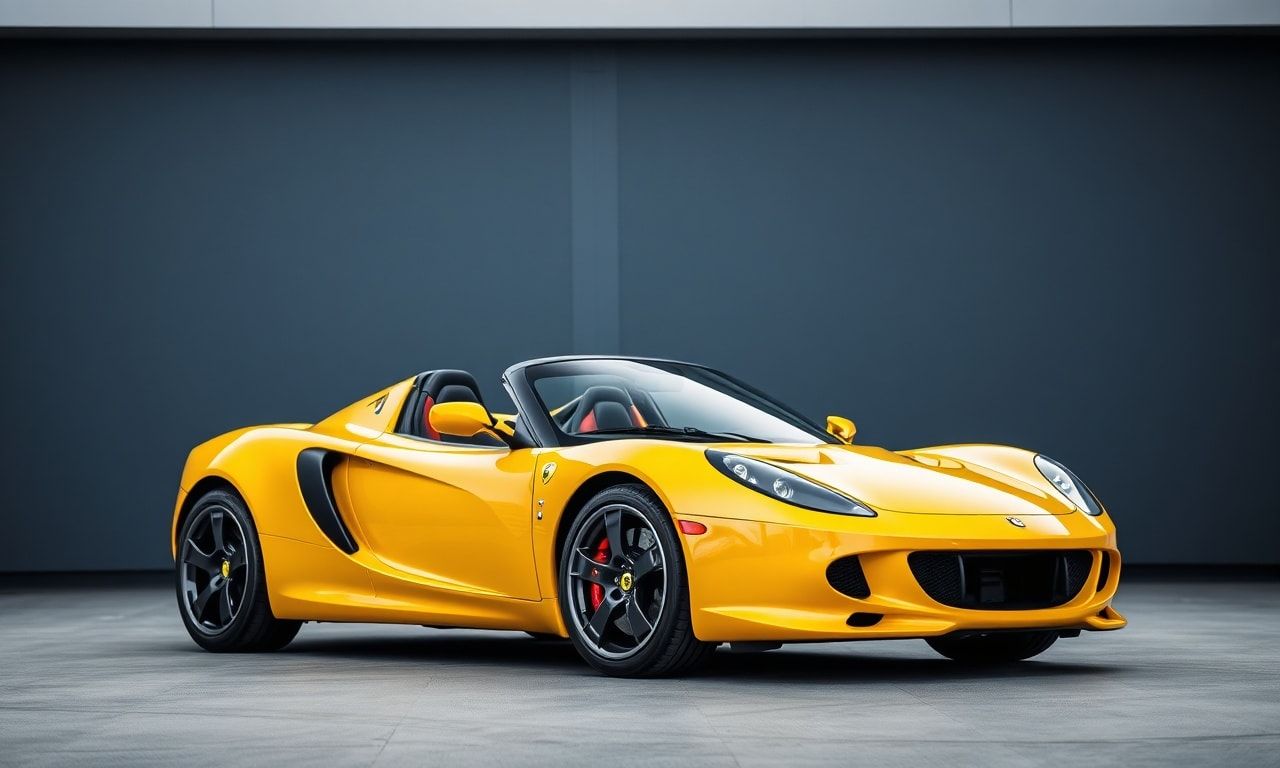
The Birth of Sports Cars
The term ‘sports car’ was first coined in the early 20th century, but the concept of a lightweight, two-seater vehicle designed for speed and agility can be traced back even further. The first true sports cars emerged in the 1920s, with manufacturers like Alfa Romeo and Bugatti leading the way. These early models were simple, often hand-built machines, far removed from the sophisticated, high-performance vehicles we see today.
The Post-War Boom
The period following World War II saw a significant shift in the sports car market. With the global economy on the mend and a newfound appetite for speed and luxury, manufacturers began to produce sports cars in greater numbers. This era gave birth to iconic models like the Jaguar XK120 and the Chevrolet Corvette, which set the stage for the sports car boom of the 1950s and 1960s.
During this time, sports cars also became a staple in motorsports, with events like the 24 Hours of Le Mans and the Mille Miglia attracting the world’s top drivers and manufacturers. These races not only showcased the speed and agility of sports cars but also served as a testing ground for new technologies and innovations.
The Role of Sports Cars in Motorsport
Sports cars have played a pivotal role in the world of motorsport, with their lightweight design and powerful engines making them ideal for both endurance races and sprint events. From the early days of the Mille Miglia to the modern-day World Endurance Championship, sports cars have consistently pushed the boundaries of what’s possible on the track.
In addition to their on-track prowess, sports cars have also had a significant impact on the world of motorsport culture. They’ve inspired countless films, books, and even fashion trends, cementing their status as symbols of speed, luxury, and adventure. Whether you’re a fan of classic races or modern-day events, there’s no denying the enduring appeal of sports cars in the world of motorsport.
The Modern Era
Today’s sports cars are a far cry from their humble beginnings. With advanced materials, cutting-edge technology, and powerful engines, modern sports cars are capable of speeds and performance levels that were once unimaginable. From the Tesla Model S to the Ferrari SF90 Stradale, today’s sports cars are a testament to the incredible progress that has been made in the automotive industry.
But while modern sports cars may be more advanced than ever, they still share many of the same characteristics that defined their predecessors. They’re lightweight, agile, and designed for speed, with a focus on both performance and style. Whether you’re a fan of classic cars or modern machines, there’s no denying the enduring appeal of the sports car.
Sports Cars and the Environment
As the world becomes increasingly focused on sustainability and environmental responsibility, the sports car industry is also evolving. Many manufacturers are now turning to electric and hybrid technologies to reduce emissions and minimize their impact on the environment. From the Porsche Taycan to the Rimac C_Two, electric sports cars are becoming increasingly popular, offering a sustainable alternative to traditional gasoline-powered models.
But while electric sports cars may be the future, there’s still a place for traditional gasoline-powered models. Many manufacturers are now focusing on improving the efficiency of their engines, with technologies like turbocharging and direct injection helping to reduce emissions and improve fuel economy. Whether you’re a fan of electric cars or traditional models, there’s no denying the important role that sports cars will play in the future of the automotive industry.
The Future of Sports Cars
As we look to the future, it’s clear that sports cars will continue to play a vital role in the automotive industry. With advancements in technology, materials, and design, sports cars are becoming more powerful, more efficient, and more sustainable than ever before. From electric models to hybrid powertrains, the future of sports cars is bright, and there’s no telling what innovations and breakthroughs we’ll see in the years to come.
But while the future of sports cars may be uncertain, one thing is clear: they’ll always hold a special place in the hearts of car enthusiasts around the world. Whether you’re a fan of classic models or modern machines, there’s no denying the enduring appeal of the sports car. So here’s to the future of sports cars – may they continue to inspire, innovate, and excite us for generations to come.
If you’re looking for more information on sports cars and motorsports, be sure to check out Bristol sports events today. From classic races to modern-day events, there’s always something exciting happening in the world of sports cars.
If you enjoyed this article, we recommend checking out El Impacto de la Música en for further reading.