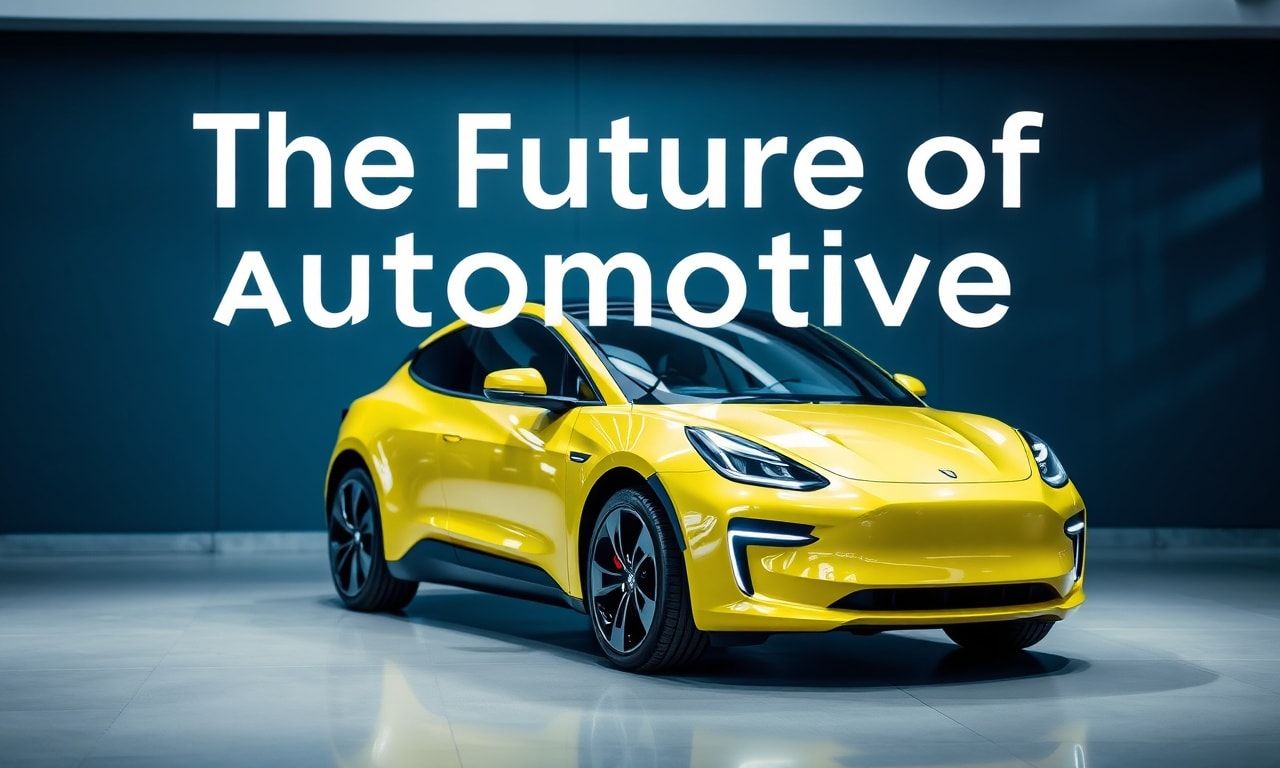
The Rise of Electric Vehicles
The automotive industry is undergoing a significant transformation, driven by the rise of electric vehicles (EVs). This shift is not just about reducing emissions but also about embracing new technologies that promise to revolutionize the way we drive. As traditional internal combustion engines face increasing scrutiny, EVs are stepping into the spotlight, offering a cleaner, more efficient alternative.
Electric vehicles are no longer a niche market. They are becoming mainstream, with major automakers investing heavily in EV technology. This surge in popularity is driven by several factors, including government incentives, advancements in battery technology, and a growing environmental consciousness among consumers.
For those considering making the switch to an electric vehicle, it’s essential to understand the benefits and challenges associated with this transition. From cost savings on fuel to the environmental impact, EVs offer a compelling case for drivers looking to reduce their carbon footprint.
Benefits of Electric Vehicles
The benefits of electric vehicles are manifold. Firstly, EVs are significantly more energy-efficient than their gasoline counterparts. They convert over 77% of the electrical energy from the grid to power at the wheels, compared to only 12%-30% for gasoline vehicles. This efficiency translates to lower operating costs, as electricity is generally less expensive than gasoline.
Additionally, electric vehicles produce zero tailpipe emissions, making them an excellent choice for environmentally conscious drivers. By reducing greenhouse gas emissions, EVs play a crucial role in combating climate change. Moreover, the maintenance costs for EVs are typically lower than those for traditional vehicles, as they have fewer moving parts and do not require oil changes or exhaust system repairs.
Another advantage of electric vehicles is the potential for energy independence. As countries strive to reduce their reliance on fossil fuels, EVs offer a viable alternative that can be powered by renewable energy sources such as solar or wind power.
Challenges and Considerations
Despite the numerous benefits, there are still challenges associated with electric vehicles that potential buyers should consider. One of the primary concerns is the range anxiety, which refers to the fear of running out of battery power before reaching a charging station. While modern EVs have seen significant improvements in range, with some models offering over 300 miles on a single charge, this remains a consideration for long-distance drivers.
Charging infrastructure is another critical factor. While the number of public charging stations is growing rapidly, there are still areas with limited access to fast-charging options. However, advancements in charging technology, such as wireless charging and ultra-fast chargers, are addressing these concerns and making EV ownership more convenient.
For those looking to purchase an electric vehicle, resources like the elektrikli araba satın alma rehberi can provide valuable insights and guidance. These resources offer detailed information on different EV models, charging options, and government incentives, helping potential buyers make informed decisions.
The Future of Electric Vehicles
The future of electric vehicles looks promising, with continuous advancements in technology and infrastructure. Automakers are investing heavily in research and development to improve battery technology, increase range, and reduce charging times. Solid-state batteries, for instance, are expected to offer higher energy density, faster charging, and improved safety compared to current lithium-ion batteries.
Moreover, the integration of EVs with smart grids and renewable energy sources is set to revolutionize the way we think about energy consumption. Vehicles equipped with vehicle-to-grid (V2G) technology can not only draw power from the grid but also feed excess energy back into it, creating a more resilient and efficient energy system.
Autonomous driving technology is another area where EVs are expected to lead the way. The combination of electric propulsion and advanced driver-assistance systems (ADAS) promises to deliver safer, more efficient, and more convenient transportation solutions.
Conclusion
The automotive industry is at a crossroads, with electric vehicles poised to redefine the future of transportation. While challenges such as range anxiety and charging infrastructure remain, the benefits of EVs in terms of energy efficiency, environmental impact, and cost savings are undeniable. As technology continues to evolve, the transition to electric vehicles is set to accelerate, paving the way for a cleaner, more sustainable future.
For those considering making the switch to an electric vehicle, now is an exciting time to explore the options available. With resources like the elektrikli araba satın alma rehberi, potential buyers can navigate the complexities of EV ownership and find the perfect vehicle to meet their needs.
While we often focus on maintaining our vehicles, it’s equally important to manage our personal finances wisely; discover smart wealth management strategies to ensure a smooth ride in life’s journey.
As the auto industry evolves, so do the methods of teaching its intricacies; discover how technology shapes education in this insightful piece.
If you’re curious about how tech is revolutionizing industries beyond automotive, check out innovations in sports technology and see what lessons we can apply to our own field.