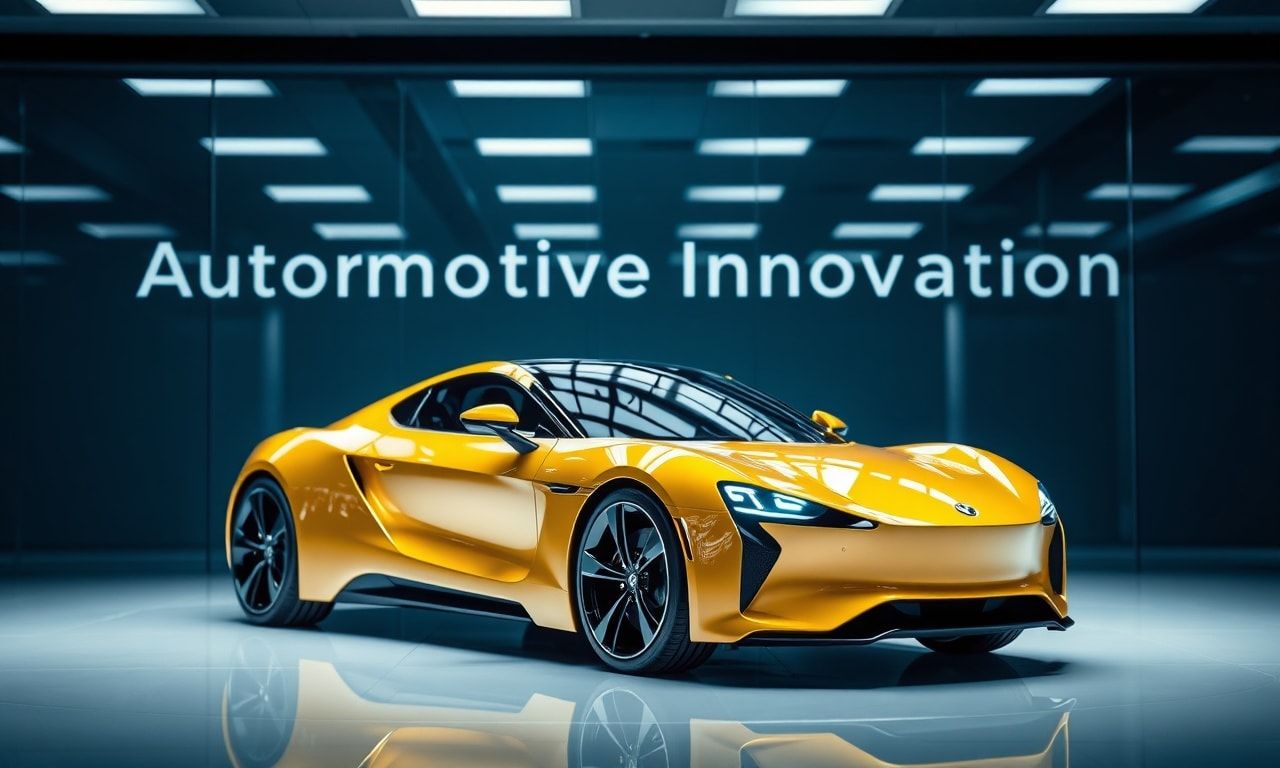
The Evolution of Automotive Technology
The automotive industry has always been at the forefront of technological innovation. From the invention of the internal combustion engine to the advent of electric vehicles (EVs), the sector has continually evolved. As we look ahead to 2026 and beyond, the pace of change is set to accelerate, driven by advancements in artificial intelligence (AI), connectivity, and sustainable energy solutions.
The Rise of Electric Vehicles
Electric vehicles are no longer a niche market; they are becoming mainstream. By 2026, it is expected that EVs will account for a significant portion of new car sales globally. This shift is driven by several factors, including stricter emissions regulations, advancements in battery technology, and increasing consumer awareness about the environmental impact of traditional gasoline-powered vehicles.
Manufacturers are investing heavily in developing more efficient and affordable EVs. Companies like Tesla, Ford, and Volkswagen are leading the charge, with new models offering longer ranges and faster charging times. The infrastructure to support EVs is also expanding, with more charging stations being installed in urban areas and along highways, making it easier for drivers to switch to electric.
Autonomous Driving: The Next Frontier
Autonomous driving technology is another area where significant progress is expected by 2026. While fully self-driving cars are still a few years away from widespread adoption, semi-autonomous features are already becoming common. These include adaptive cruise control, lane-keeping assist, and automatic emergency braking.
By 2026, we can expect to see more advanced autonomous driving systems that can handle complex driving scenarios. Companies like Waymo, Cruise, and Tesla are at the forefront of this technology, conducting extensive testing to ensure safety and reliability. The integration of AI and machine learning will enable these systems to learn from real-world driving conditions, making them more adaptable and efficient.
The Role of Connectivity in Modern Vehicles
Connectivity is becoming an integral part of modern vehicles. By 2026, cars will be more connected than ever, offering seamless integration with smartphones, home automation systems, and even other vehicles. This connectivity will enhance the driving experience, providing real-time traffic updates, navigation assistance, and entertainment options.
One of the most exciting developments in this area is the concept of Vehicle-to-Everything (V2X) communication. This technology allows vehicles to communicate with each other and with infrastructure like traffic lights and road signs. By exchanging information in real-time, V2X can improve traffic flow, reduce accidents, and enhance overall road safety.
Sustainability and the Future of Mobility
Sustainability is a key focus for the automotive industry. By 2026, we can expect to see a greater emphasis on eco-friendly materials, renewable energy sources, and sustainable manufacturing practices. The shift towards EVs is just one part of this broader trend.
Manufacturers are exploring new materials that are lighter and more durable, reducing the environmental impact of vehicle production. Recycled materials, biodegradable plastics, and even plant-based materials are being considered for use in car interiors and exteriors. Additionally, the use of renewable energy sources in manufacturing processes is becoming more common, further reducing the carbon footprint of the automotive industry.
The Impact of Global Events on the Automotive Industry
The automotive industry is not immune to global events. For instance, events like the asian cuisine food festivals in sydney 2026 might seem unrelated, but they reflect broader trends in urbanization, consumer behavior, and cultural exchange. These trends can influence the types of vehicles that are in demand, as well as the features and technologies that consumers prioritize.
As cities become more densely populated, there is a growing need for compact, efficient vehicles that can navigate urban environments. This has led to the rise of microcars, electric scooters, and other alternative modes of transportation. The automotive industry must adapt to these changing consumer preferences, offering a diverse range of vehicles that cater to different lifestyles and needs.
Conclusion
The future of the automotive industry is bright, with numerous innovations on the horizon. From the rise of electric vehicles to the development of autonomous driving technology, the next few years promise to be an exciting time for car enthusiasts and industry professionals alike. As we look ahead to 2026 and beyond, one thing is clear: the automotive industry will continue to evolve, driven by a commitment to innovation, sustainability, and the ever-changing needs of consumers.
Discover how the auto industry and food culture collide in an unexpected yet fascinating way, offering a fresh perspective on automotive innovation.
After a long day of tackling auto repairs or test drives, treat yourself to some well-deserved relaxation; discover how to elevate your nighttime comfort with luxurious nightwear essentials.
As the auto industry evolves, it’s crucial to stay informed about upcoming innovations; delve into automotive tech advancements shaping our driving future.