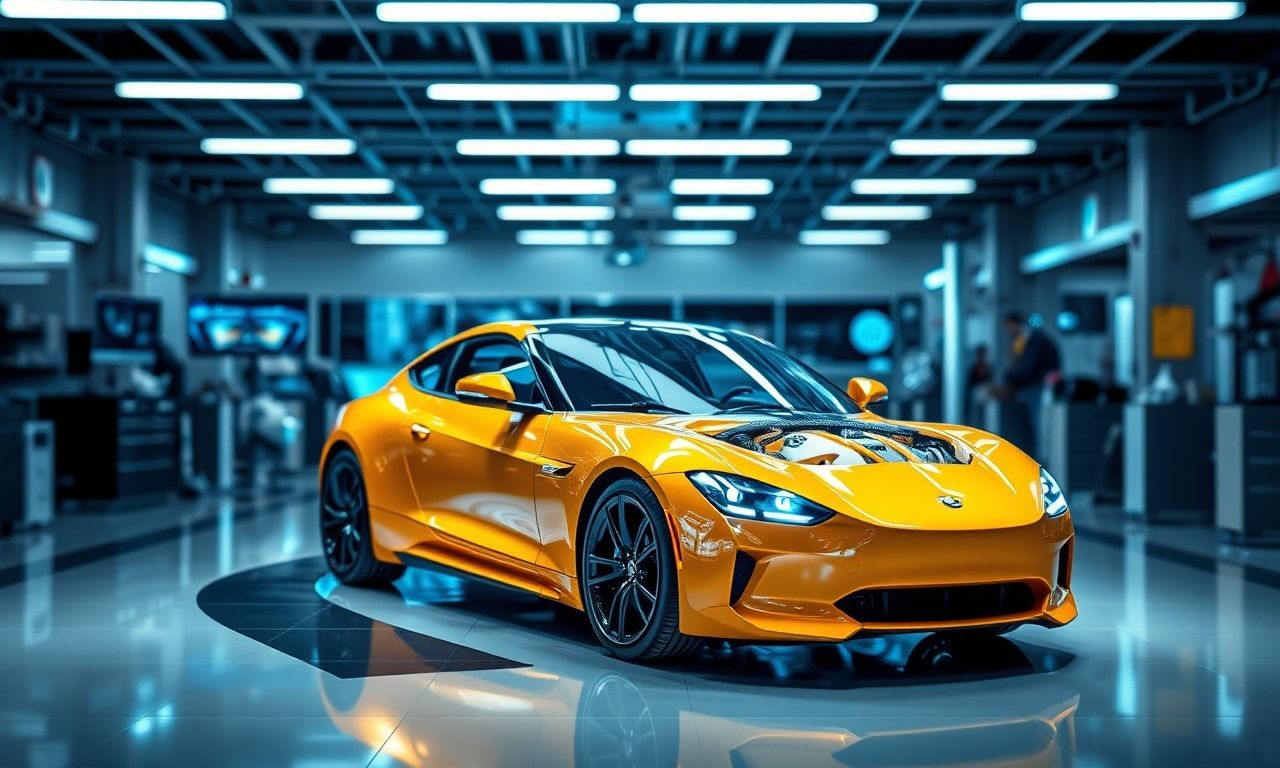
The Evolution of Automotive Technology
The automotive industry has witnessed remarkable advancements over the past century. From the invention of the internal combustion engine to the development of electric vehicles (EVs), the journey has been nothing short of revolutionary. As we look towards the future, the pace of innovation shows no signs of slowing down. This article delves into the latest trends and technologies shaping the automotive landscape, providing insights into what lies ahead.
The Rise of Electric Vehicles
Electric vehicles are at the forefront of the automotive revolution. With increasing concerns about climate change and environmental sustainability, EVs offer a cleaner and more efficient alternative to traditional gasoline-powered cars. Major automakers are investing heavily in EV technology, with companies like Tesla, Nissan, and BMW leading the charge. The shift towards EVs is not only driven by environmental benefits but also by advancements in battery technology, which are making EVs more affordable and accessible to the masses.
One of the key challenges facing the EV industry is the development of a robust charging infrastructure. Governments and private companies are working together to expand the network of charging stations, ensuring that EV owners have convenient access to charging points. Additionally, innovations in battery technology are extending the range of EVs, making them a viable option for long-distance travel.
The Role of Autonomous Driving
Autonomous driving is another area where significant progress is being made. Self-driving cars promise to revolutionize the way we travel, offering increased safety and convenience. Companies like Waymo, Tesla, and Uber are at the forefront of this technology, investing billions of dollars in research and development. The integration of artificial intelligence (AI) and machine learning algorithms enables autonomous vehicles to navigate complex environments with precision and accuracy.
However, the widespread adoption of autonomous vehicles faces several challenges. Regulatory hurdles, ethical considerations, and public acceptance are some of the key issues that need to be addressed. Despite these challenges, the potential benefits of autonomous driving are immense, including reduced traffic congestion, lower accident rates, and improved mobility for the elderly and disabled.
The Impact of Connectivity and IoT
The Internet of Things (IoT) is transforming the automotive industry by enabling vehicles to communicate with each other and with infrastructure. Connected cars can share real-time data on traffic conditions, road hazards, and weather, enhancing safety and efficiency. This connectivity extends beyond the vehicle, integrating with smart home systems and mobile devices to provide a seamless user experience.
For example, a connected car can automatically adjust its settings based on the driver’s preferences, such as seat position, temperature, and entertainment choices. It can also provide remote diagnostics and maintenance alerts, ensuring that the vehicle is always in optimal condition. The integration of IoT technology is not only improving the driving experience but also paving the way for new business models and revenue streams in the automotive industry.
The Future of Mobility
The concept of mobility is evolving beyond traditional car ownership. Ride-sharing services, car-sharing programs, and micro-mobility solutions are gaining popularity, offering flexible and cost-effective transportation options. These trends are driven by changing consumer preferences, urbanization, and the need for sustainable mobility solutions.
Ride-sharing services like Uber and Lyft are transforming the way people travel, providing convenient and affordable transportation options. Car-sharing programs allow individuals to access vehicles on an as-needed basis, reducing the need for personal car ownership. Micro-mobility solutions, such as e-bikes and e-scooters, are becoming increasingly popular in urban areas, offering a sustainable and efficient way to navigate congested cities.
The Importance of Sustainable Materials
Sustainability is a key focus in the automotive industry, with manufacturers increasingly turning to eco-friendly materials for vehicle production. The use of recycled plastics, natural fibers, and lightweight materials not only reduces the environmental impact but also improves vehicle performance and fuel efficiency.
For instance, the use of aluminum and carbon fiber in vehicle construction reduces weight, leading to better fuel economy and lower emissions. Additionally, the integration of renewable energy sources, such as solar panels and regenerative braking systems, is further enhancing the sustainability of modern vehicles. The shift towards sustainable materials is not only driven by environmental concerns but also by consumer demand for greener and more responsible products.
In conclusion, the automotive industry is undergoing a transformative period, driven by technological advancements and changing consumer preferences. From the rise of electric vehicles to the development of autonomous driving and the integration of IoT technology, the future of automotive technology is bright and promising. As we look ahead, the focus on sustainability and connectivity will continue to shape the industry, paving the way for a more efficient, safe, and environmentally friendly transportation system. For those interested in the broader economic context, exploring topics like analisis pasar reksadana indonesia 2026 can provide valuable insights into the financial aspects of these technological shifts.
As the automotive industry evolves, understanding the future of mobility is crucial; delve into electric vehicles’ promising potential to stay informed.
Ever wondered how your choice of vehicle might influence your housing options? Discover the fascinating connection between cars and real estate in automotive and property markets.
As the automotive industry continues to evolve, understanding the trajectory of electric vehicles is crucial for both enthusiasts and professionals; delve into electric vehicle trends ahead to stay informed about the latest predictions and innovations.