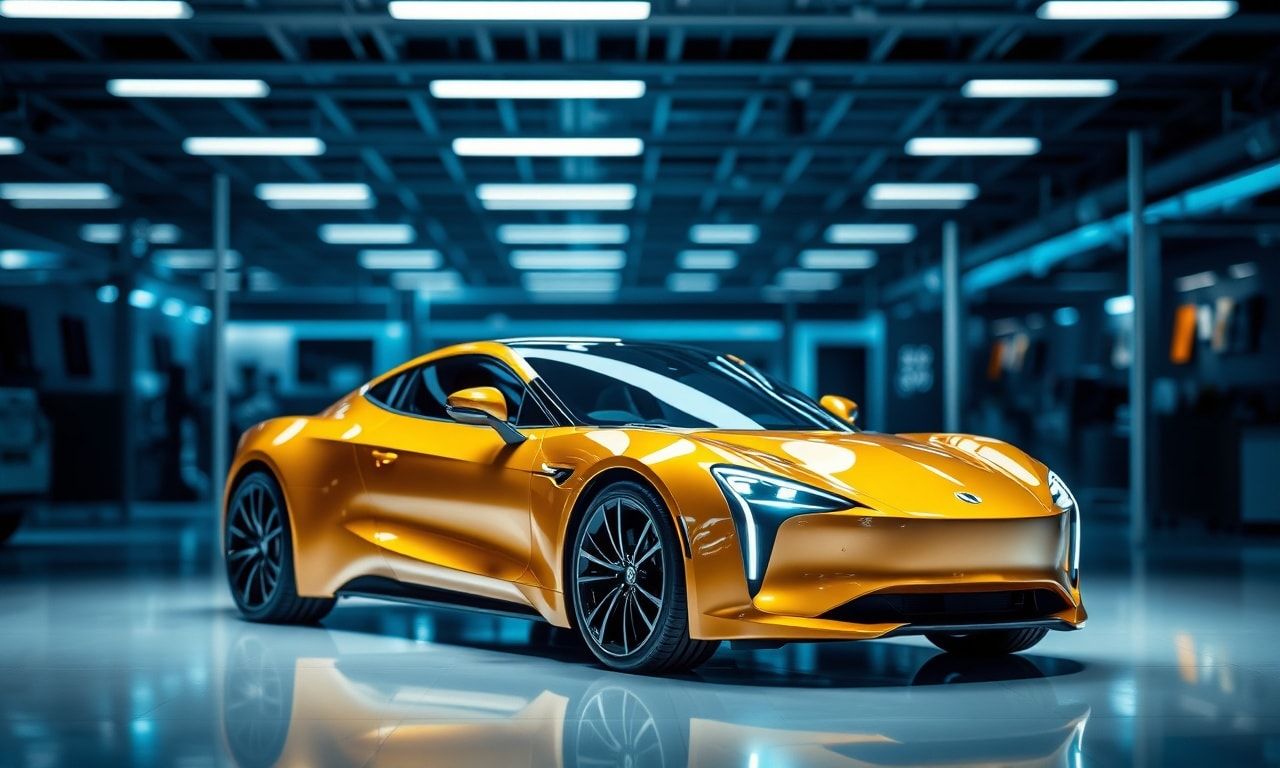
The Evolution of Automotive Technology
The automotive industry has always been at the forefront of technological innovation. From the invention of the internal combustion engine to the development of electric vehicles, the sector has continuously evolved. As we stand on the brink of a new decade, the pace of change is accelerating, driven by advancements in various fields such as artificial intelligence, connectivity, and sustainable energy.
The Role of Connectivity in Modern Vehicles
One of the most significant trends shaping the future of automotive technology is connectivity. Modern vehicles are becoming increasingly connected, leveraging advanced communication systems to enhance safety, convenience, and entertainment. The integration of 5G technology is set to revolutionize the way vehicles communicate with each other and with infrastructure. This connectivity enables real-time data sharing, which can significantly improve traffic management and reduce the risk of accidents. For the latest updates in 5G technology, you can visit latest updates in 5G technology.
The Benefits of Vehicle-to-Everything (V2X) Communication
Vehicle-to-Everything (V2X) communication is a key aspect of connected vehicles. This technology allows vehicles to communicate with other vehicles (V2V), infrastructure (V2I), pedestrians (V2P), and networks (V2N). The benefits of V2X communication are manifold, including improved traffic flow, enhanced safety, and reduced environmental impact. For instance, V2V communication can alert drivers to potential hazards on the road, while V2I communication can optimize traffic signals to reduce congestion.
The Rise of Electric and Autonomous Vehicles
The automotive industry is also witnessing a shift towards electric and autonomous vehicles. Electric vehicles (EVs) are gaining popularity due to their environmental benefits and lower operating costs. Automotive manufacturers are investing heavily in the development of EVs, with many countries setting ambitious targets to phase out internal combustion engine vehicles in the coming years. Meanwhile, autonomous vehicles are poised to transform the way we travel, offering increased safety and convenience.
The Challenges of Autonomous Driving
Despite the promise of autonomous vehicles, there are still significant challenges to overcome. One of the main challenges is ensuring the safety and reliability of autonomous driving systems. This requires extensive testing and validation, as well as the development of robust regulatory frameworks. Additionally, there are ethical and legal considerations that need to be addressed, such as determining liability in the event of an accident involving an autonomous vehicle.
The Importance of Vehicle Maintenance
As vehicles become more technologically advanced, the importance of regular maintenance cannot be overstated. Proper maintenance ensures that vehicles operate safely and efficiently, reducing the risk of breakdowns and accidents. It also helps to prolong the lifespan of the vehicle and maintain its resale value. With the increasing complexity of modern vehicles, it is essential to follow the manufacturer’s recommended maintenance schedule and use high-quality parts and fluids.
DIY Maintenance Tips
While some maintenance tasks should be left to professionals, there are several DIY maintenance tasks that vehicle owners can perform to keep their vehicles in top condition. These include checking and changing the oil, inspecting and replacing air filters, checking tire pressure and tread depth, and topping up fluid levels. Regularly performing these tasks can help to identify potential issues early and prevent more serious problems from developing.
The Future of Automotive Technology
The future of automotive technology is bright, with numerous advancements on the horizon. From connected and autonomous vehicles to electric and hydrogen-powered cars, the automotive industry is undergoing a transformation. As technology continues to evolve, so too will the way we drive and interact with our vehicles. The next decade promises to be an exciting time for the automotive industry, with innovations that will enhance safety, convenience, and sustainability.
Discover the perfect blend of innovation and tradition in modern car maintenance techniques that keep your vehicle running smoothly.