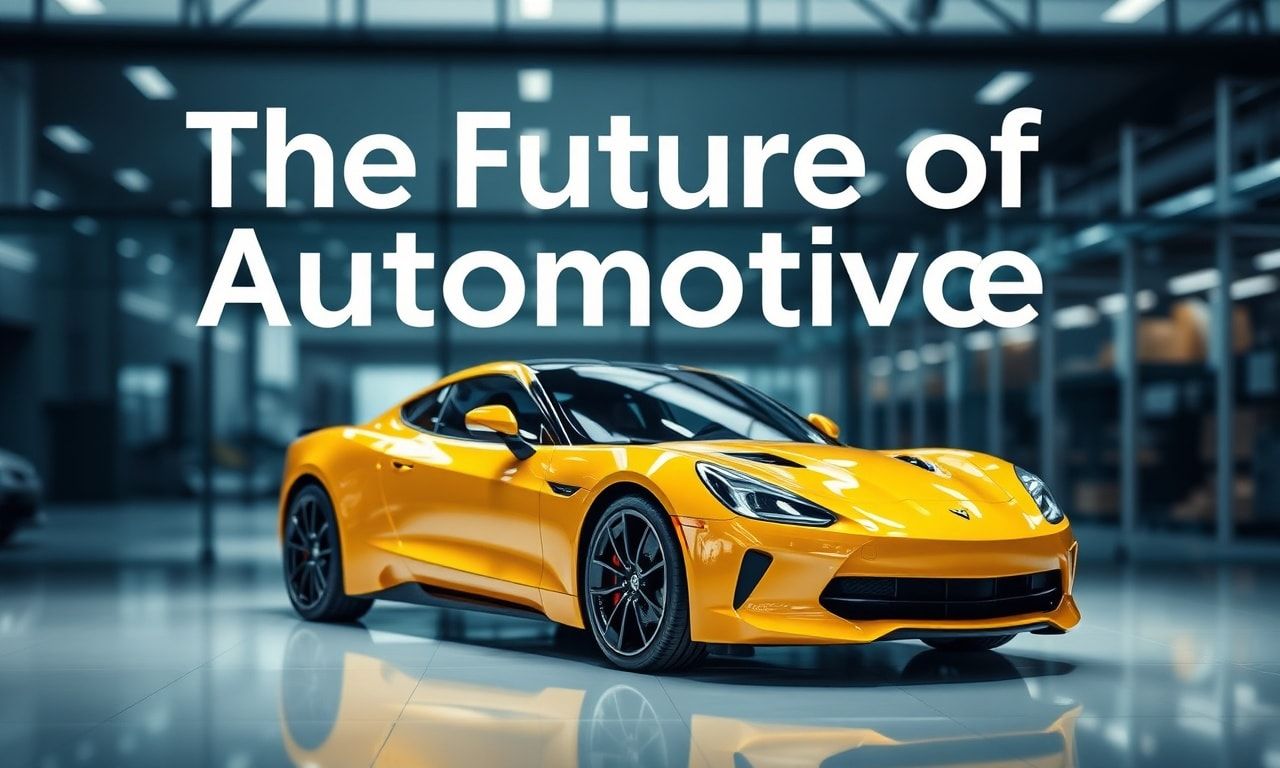
The Evolution of the Automotive Industry
The automotive industry has undergone a remarkable transformation over the past century, evolving from simple mechanical vehicles to sophisticated machines that integrate cutting-edge technology. This evolution has been driven by a combination of technological advancements, consumer demands, and regulatory changes. Today, the industry is on the cusp of another significant shift, with innovations in electric vehicles, autonomous driving, and connectivity reshaping the future of transportation.
The Rise of Electric Vehicles
One of the most notable trends in the automotive industry is the rapid rise of electric vehicles (EVs). As concerns about climate change and environmental sustainability grow, consumers and governments alike are pushing for cleaner, more efficient modes of transportation. EVs offer a promising solution, with zero emissions and lower operating costs compared to traditional internal combustion engine (ICE) vehicles. Major automakers are investing heavily in EV technology, with many planning to phase out ICE vehicles entirely in the coming decades.
In addition to environmental benefits, EVs are also benefiting from advancements in battery technology. Improvements in battery capacity, charging speed, and overall durability are making EVs more practical and appealing to a broader range of consumers. The development of fast-charging networks and wireless charging technologies is further enhancing the convenience of owning an EV.
The Impact of Autonomous Driving
Another transformative trend in the automotive industry is the development of autonomous driving technologies. Self-driving cars have the potential to revolutionize transportation by improving safety, reducing traffic congestion, and increasing mobility for those who cannot drive. Companies like Tesla, Waymo, and Uber are at the forefront of this technology, investing billions in research and development.
Autonomous vehicles rely on a combination of sensors, cameras, and artificial intelligence to navigate roads and make decisions in real-time. While fully autonomous vehicles are not yet widely available, significant progress has been made in developing advanced driver-assistance systems (ADAS) that can handle many driving tasks. These systems are already improving safety and convenience for drivers today.
The Role of Connectivity
Connectivity is another key trend shaping the future of the automotive industry. Modern vehicles are increasingly equipped with advanced infotainment systems, telematics, and connectivity features that allow them to communicate with other vehicles, infrastructure, and the internet. This connectivity enables a range of new services and functionalities, from real-time traffic updates to remote diagnostics and over-the-air software updates.
For example, vehicles equipped with vehicle-to-everything (V2X) communication technology can exchange information with traffic signals, other vehicles, and road infrastructure to improve safety and efficiency. This technology has the potential to reduce accidents, optimize traffic flow, and enhance the overall driving experience.
The Financial Implications of Automotive Innovations
The rapid pace of innovation in the automotive industry has significant financial implications for both consumers and businesses. For consumers, the shift to EVs and autonomous vehicles may initially result in higher upfront costs, but these costs are expected to decrease as technology becomes more widespread and economies of scale are achieved. Additionally, the long-term savings on fuel and maintenance can make these vehicles more cost-effective over time.
For businesses, the transition to new technologies presents both challenges and opportunities. Automakers must invest heavily in research and development to stay competitive, while also managing the financial risks associated with shifting consumer preferences and regulatory changes. Staying informed about the latest financial news and trends in the automotive industry is crucial for making informed decisions. For up-to-date financial news, you can visit son dakika finans haberleri.
The Future of Automotive Maintenance
As vehicles become more technologically advanced, the approach to automotive maintenance is also evolving. Traditional maintenance tasks, such as oil changes and tire rotations, will still be necessary, but the focus will increasingly shift to software updates, sensor calibrations, and battery management. This shift requires new skills and tools for mechanics and technicians, as well as a greater emphasis on data-driven maintenance strategies.
Predictive maintenance, which uses data analytics and machine learning to anticipate potential issues before they occur, is becoming more prevalent. This approach can help prevent breakdowns, reduce downtime, and extend the lifespan of vehicles. Additionally, the growing popularity of electric vehicles will require specialized knowledge and equipment for battery maintenance and repair.
Conclusion
The automotive industry is undergoing a period of rapid transformation, driven by advancements in electric vehicles, autonomous driving, and connectivity. These innovations are reshaping the way we think about transportation, offering new opportunities for improving safety, efficiency, and sustainability. As the industry continues to evolve, staying informed about the latest trends and developments will be crucial for consumers, businesses, and policymakers alike. By embracing these changes, we can look forward to a future of smarter, safer, and more sustainable transportation.
If you’re considering diversifying your investment portfolio beyond the auto industry, explore the promising prospects of Turkish real estate opportunities and gain insights into this growing market.
As the auto industry evolves, it’s fascinating to consider what’s on the horizon; check out next decade’s automotive advancements for a glimpse into upcoming innovations.
Discover the hidden world of automotive care with these insider vehicle maintenance tips that every car enthusiast should know.