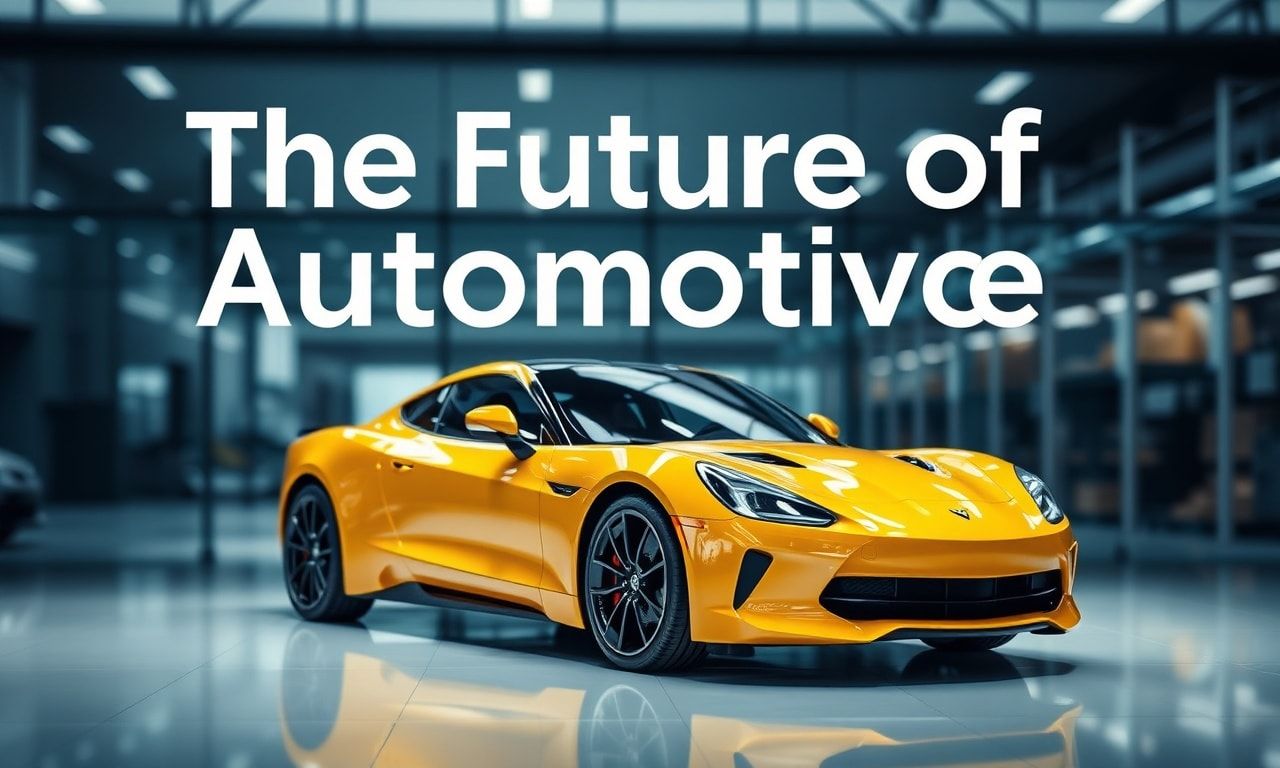
The Evolution of the Automotive Industry
The automotive industry has undergone a remarkable transformation over the past century. From the invention of the first gasoline-powered car to the advent of electric vehicles (EVs), the journey has been nothing short of revolutionary. Today, the industry is on the cusp of another significant shift, driven by technological advancements and changing consumer preferences. Understanding these trends is crucial for anyone interested in the future of automotive.
Electric Vehicles: The New Norm
Electric vehicles are no longer a novelty; they are becoming the norm. Major automakers are investing heavily in EV technology, aiming to capture a larger share of the market. The shift towards EVs is driven by several factors, including environmental concerns, government regulations, and advancements in battery technology. As EVs become more affordable and offer longer ranges, they are increasingly seen as a viable alternative to traditional internal combustion engine (ICE) vehicles.
In addition to passenger cars, EVs are making inroads into other segments, such as commercial vehicles and public transportation. The rise of EVs is also spurring the development of supporting infrastructure, including charging stations and smart grids. This ecosystem is crucial for the widespread adoption of EVs and will play a significant role in shaping the future of the automotive industry.
The Role of Autonomous Driving
Autonomous driving is another trend that is set to revolutionize the automotive industry. Self-driving cars promise to enhance safety, reduce traffic congestion, and improve the overall driving experience. While fully autonomous vehicles are still a few years away, significant progress has been made in developing advanced driver-assistance systems (ADAS). These systems use sensors, cameras, and artificial intelligence to assist drivers in various tasks, from parking to lane-keeping.
Companies like Tesla, Waymo, and Uber are at the forefront of autonomous driving technology. Their efforts are not only focused on developing the technology but also on addressing regulatory and ethical challenges. As autonomous driving becomes more prevalent, it will have a profound impact on the automotive industry, from manufacturing to insurance and beyond.
The Impact of Connectivity and IoT
Connectivity and the Internet of Things (IoT) are transforming the automotive industry in numerous ways. Connected cars are equipped with advanced features that allow them to communicate with other vehicles, infrastructure, and the cloud. This connectivity enables a range of applications, from real-time traffic updates to remote diagnostics and over-the-air software updates.
For example, the business news update weekly often highlights the latest developments in connected car technology. These advancements are not only enhancing the driving experience but also creating new business opportunities. Automakers and tech companies are collaborating to develop innovative solutions that leverage the power of connectivity and IoT.
Sustainability and Green Initiatives
Sustainability is a key focus area for the automotive industry. With increasing awareness of environmental issues, consumers are demanding greener and more sustainable vehicles. Automakers are responding by developing vehicles that are more fuel-efficient, produce fewer emissions, and use eco-friendly materials.
In addition to EVs, other green initiatives include the development of hydrogen fuel cell vehicles, which offer a zero-emission alternative to traditional vehicles. Automakers are also exploring the use of recycled materials in vehicle manufacturing and implementing more sustainable production processes. These efforts are not only beneficial for the environment but also for the long-term viability of the automotive industry.
The Future of Automotive Maintenance
Maintenance is a critical aspect of vehicle ownership, and it is also evolving with the times. Advances in technology are making it easier to diagnose and fix issues, reducing downtime and improving vehicle performance. Predictive maintenance, which uses data analytics and machine learning to predict when a vehicle will need maintenance, is becoming increasingly popular.
Regular maintenance is essential for keeping vehicles in top condition. This includes routine tasks such as oil changes, tire rotations, and brake inspections. By following a recommended maintenance schedule, vehicle owners can extend the life of their vehicles and avoid costly repairs. Additionally, using high-quality parts and fluids can enhance vehicle performance and reliability.
For those interested in the latest automotive news and trends, staying informed is key. Whether it’s through industry publications, online forums, or business news update weekly, keeping up with the latest developments can help vehicle owners make informed decisions about their vehicles.
Conclusion
The automotive industry is on the brink of a new era, driven by technological advancements and changing consumer preferences. From electric vehicles to autonomous driving and connectivity, the future of automotive is bright and full of possibilities. As the industry continues to evolve, staying informed and embracing new technologies will be crucial for both automakers and consumers. By understanding these trends, we can better prepare for the future and make the most of the opportunities that lie ahead.
As the auto industry evolves, understanding its dynamics is crucial for enthusiasts and professionals alike; delve into industry shifts and innovations to stay informed.
As the property market in London experiences a unique shift, it’s worth considering how such changes might impact your investments, including your automotive assets; delve into the details with London’s property market shifts.
Ever wondered how the cosmos inspires automotive design? Discover the celestial influences on vehicle aesthetics in our feature, fashion meets the stars.