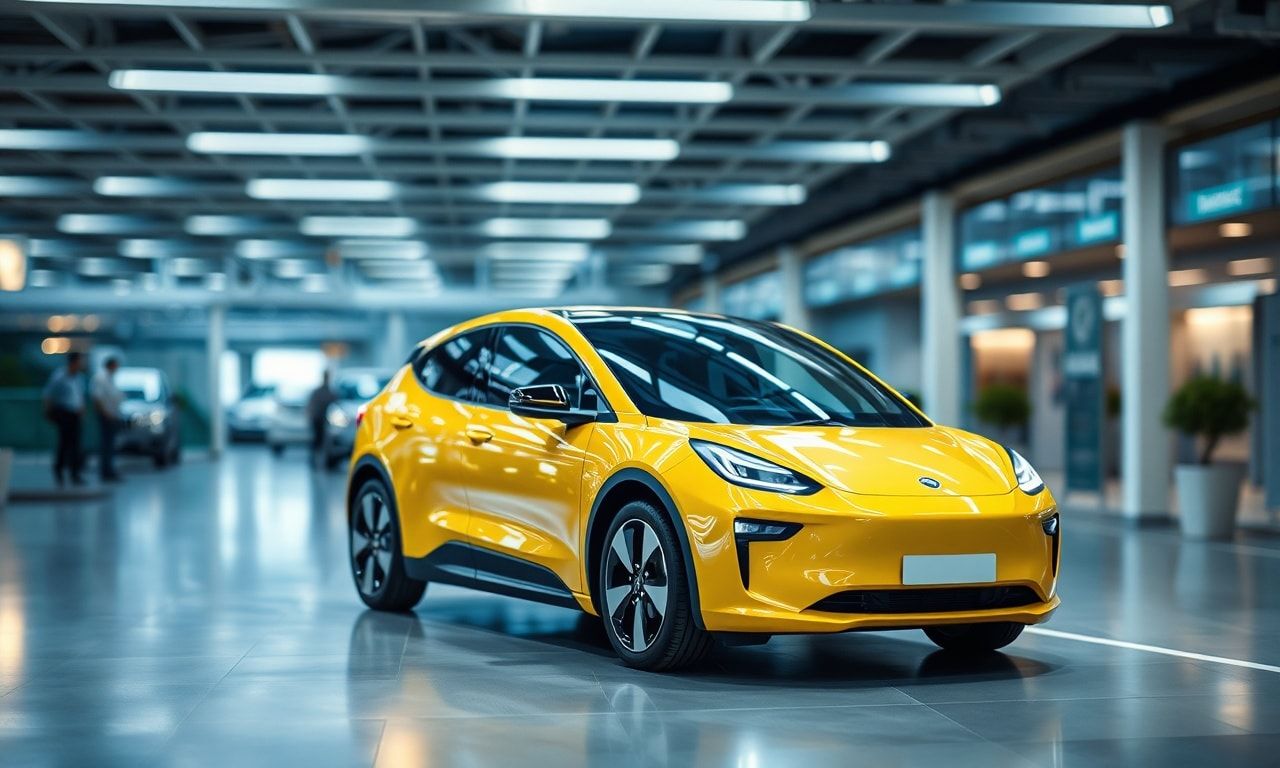
The Evolution of Automotive Technology
The automotive industry has witnessed unprecedented advancements over the past few decades. From the invention of the internal combustion engine to the development of hybrid and electric vehicles, the journey has been remarkable. Today, we stand at the precipice of a new era, where the lines between traditional automobiles and alternative transportation modes are blurring. This article delves into the fascinating world of automotive innovation and its intersection with electric transportation.
The Rise of Electric Vehicles
Electric vehicles (EVs) have emerged as a viable alternative to conventional gasoline-powered cars. With zero emissions and lower operating costs, EVs are gaining popularity among environmentally conscious consumers. The automotive industry is responding to this demand by investing heavily in EV research and development. Major automakers are rolling out new electric models, each boasting cutting-edge technology and impressive performance metrics. The future of mobility is undeniably electric, and the automotive industry is at the forefront of this revolution.
Benefits of Electric Vehicles
Electric vehicles offer numerous advantages over their traditional counterparts. They produce zero tailpipe emissions, significantly reducing air pollution and greenhouse gas emissions. Additionally, EVs are more energy-efficient and have lower maintenance costs due to fewer moving parts. The initial investment in an EV may be higher, but the long-term savings on fuel and maintenance make them a cost-effective choice. As the infrastructure for charging stations continues to expand, the convenience of owning an EV will only improve.
Challenges and Considerations
Despite the numerous benefits, there are still challenges to widespread EV adoption. Range anxiety, or the fear of running out of battery power before reaching a charging station, remains a concern for many potential buyers. However, advancements in battery technology are rapidly addressing this issue. Another consideration is the environmental impact of battery production and disposal. The automotive industry is actively working on sustainable solutions to mitigate these concerns and ensure that EVs remain an eco-friendly option.
The Role of Electric Bikes in Urban Mobility
In the quest for sustainable urban transportation, electric bikes have emerged as a popular alternative. Combining the convenience of a bicycle with the power of an electric motor, e-bikes offer a practical solution for short-distance commuting. They are particularly well-suited for navigating congested city streets and reducing reliance on fossil fuels. For those interested in exploring the latest in e-bike technology, checking out electric bike reviews for cutting-edge technology and features can provide valuable insights and help you make an informed decision.
Advantages of Electric Bikes
Electric bikes offer several advantages that make them an attractive option for urban commuters. They are more affordable than electric cars and require less space for parking. E-bikes also provide a fun and eco-friendly way to stay active while reducing your carbon footprint. With the ability to tackle hills and headwinds with ease, e-bikes make cycling accessible to a broader range of individuals. As cities continue to invest in bike-friendly infrastructure, the popularity of e-bikes is expected to grow.
Integration with Public Transportation
One of the most exciting developments in urban mobility is the integration of electric bikes with public transportation systems. Many cities are implementing bike-sharing programs that allow commuters to rent e-bikes for short trips, making it easier to combine cycling with public transit. This integration not only reduces traffic congestion but also promotes a healthier and more sustainable lifestyle. As the demand for eco-friendly transportation solutions continues to rise, the role of electric bikes in urban mobility will become increasingly important.
The Future of Automotive Innovation
The automotive industry is constantly evolving, driven by the need for sustainability and innovation. From self-driving cars to hydrogen fuel cell vehicles, the future of mobility is filled with exciting possibilities. As technology continues to advance, we can expect to see even more groundbreaking developments in the automotive sector. The intersection of traditional automobiles and alternative transportation modes will play a crucial role in shaping the future of mobility.
Autonomous Vehicles
Autonomous vehicles, or self-driving cars, represent one of the most significant advancements in automotive technology. By leveraging artificial intelligence and sensor technology, autonomous vehicles have the potential to revolutionize the way we travel. They promise to improve road safety, reduce traffic congestion, and enhance the overall driving experience. While there are still regulatory and technical challenges to overcome, the future of autonomous vehicles looks promising.
Hydrogen Fuel Cell Vehicles
Hydrogen fuel cell vehicles (FCEVs) are another innovative solution for sustainable transportation. FCEVs produce zero emissions and offer a longer driving range compared to battery electric vehicles. While the infrastructure for hydrogen refueling stations is still in its infancy, significant progress is being made to expand its availability. As the technology continues to improve, hydrogen fuel cell vehicles may become a viable alternative to traditional gasoline-powered cars.
Conclusion
The future of mobility is an exciting and rapidly evolving landscape. From electric vehicles to electric bikes and autonomous cars, the automotive industry is at the forefront of innovation. As we strive for a more sustainable and efficient transportation system, the intersection of traditional automobiles and alternative transportation modes will play a crucial role. By embracing these advancements, we can look forward to a future where mobility is not only efficient and convenient but also environmentally responsible.