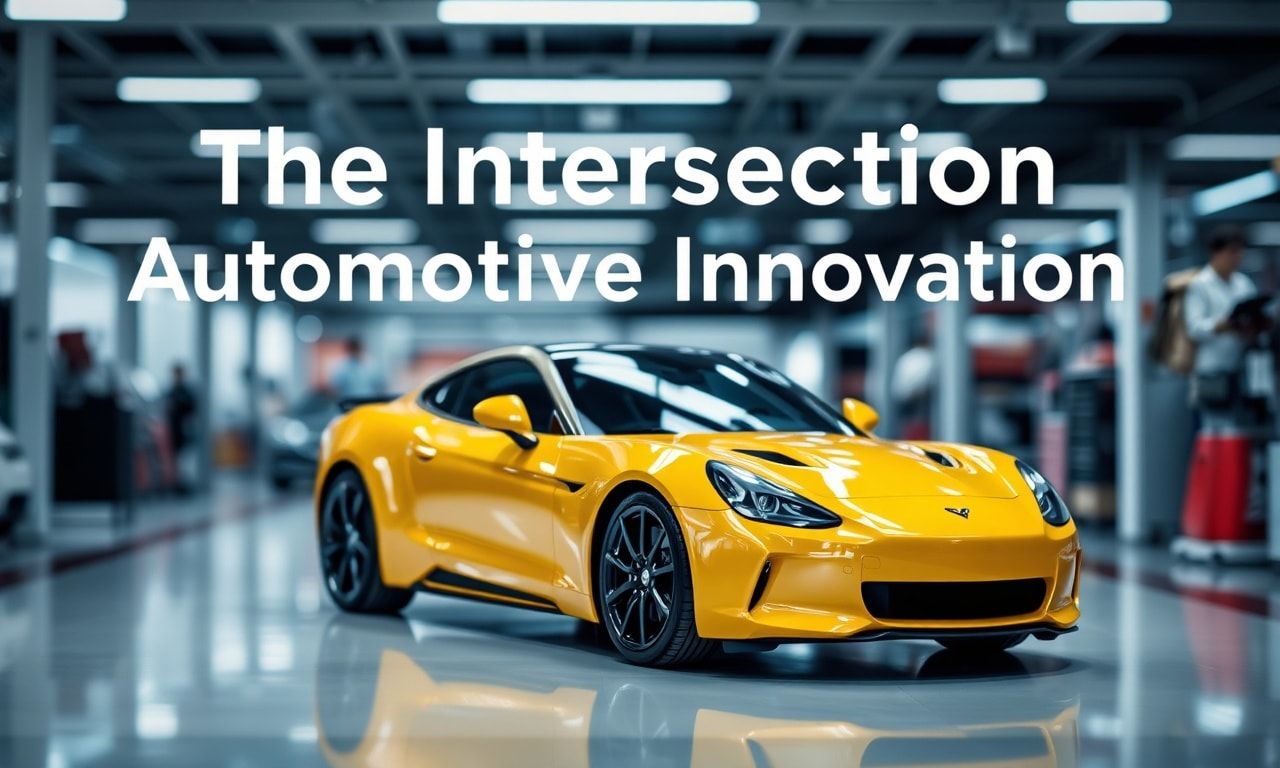
The Evolution of Automotive Technology
The automotive industry has always been at the forefront of technological innovation. From the invention of the internal combustion engine to the development of electric vehicles (EVs), the sector has continually pushed boundaries. Today, we are witnessing a new wave of advancements that not only enhance vehicle performance but also prioritize the health and well-being of drivers and passengers. This article delves into the latest trends in automotive technology and their impact on health.
Health-Conscious Design in Modern Vehicles
Modern vehicles are increasingly designed with health in mind. Features such as air purification systems, ergonomic seating, and advanced climate control are becoming standard. These innovations aim to create a safer and more comfortable driving environment. For instance, air purification systems can remove harmful pollutants, allergens, and even viruses, ensuring that the cabin air is clean and healthy. Similarly, ergonomic seats reduce the risk of back pain and other musculoskeletal issues, making long drives more comfortable.
Moreover, the integration of biometric sensors in vehicles allows for real-time monitoring of the driver’s health. These sensors can detect signs of fatigue, stress, or even potential medical emergencies. By alerting the driver or automatically taking corrective actions, these systems can prevent accidents and save lives. This intersection of automotive technology and health is a testament to the industry’s commitment to innovation and safety.
The Role of Autonomous Driving in Health
Autonomous driving technology is another area where health and automotive innovation converge. Self-driving cars have the potential to reduce the number of accidents caused by human error, which is a leading cause of road fatalities. By eliminating the need for constant driver attention, autonomous vehicles can also reduce stress levels, leading to a healthier driving experience. Additionally, these vehicles can be particularly beneficial for individuals with disabilities or those who are unable to drive due to health conditions.
Furthermore, the development of autonomous vehicles is closely linked to advancements in artificial intelligence (AI) and machine learning. These technologies enable vehicles to learn from their environment and adapt to different driving conditions. This not only enhances safety but also improves the overall driving experience. As AI continues to evolve, we can expect even more sophisticated health-related features in autonomous vehicles.
Electric Vehicles and Environmental Health
The rise of electric vehicles (EVs) is not only revolutionizing the automotive industry but also contributing to environmental health. EVs produce zero tailpipe emissions, which significantly reduces air pollution and greenhouse gas emissions. This is particularly beneficial for urban areas where air quality is a major concern. By transitioning to EVs, we can mitigate the adverse health effects associated with air pollution, such as respiratory diseases and cardiovascular problems.
In addition to their environmental benefits, EVs also offer health advantages for drivers. Electric motors are quieter than internal combustion engines, reducing noise pollution. This can lead to a more peaceful and less stressful driving experience. Furthermore, the lower maintenance requirements of EVs mean fewer trips to the mechanic, reducing the risk of exposure to harmful chemicals and fumes.
For those interested in staying updated on the latest health news related to medical breakthroughs, visiting new health news on medical breakthroughs can provide valuable insights. The site offers a wealth of information on how advancements in medical technology are improving health outcomes and quality of life.
Maintenance Tips for a Healthier Vehicle
Regular maintenance is crucial for keeping your vehicle in optimal condition and ensuring a healthy driving environment. Here are some essential maintenance tips to consider:
- Regular Oil Changes: Regular oil changes are vital for maintaining engine health. Clean oil lubricates the engine components, reducing wear and tear and improving fuel efficiency.
- Air Filter Replacement: A clean air filter ensures that the engine receives the right amount of air for combustion. Regularly replacing the air filter can improve engine performance and reduce emissions.
- Tire Maintenance: Proper tire maintenance, including regular rotations and alignments, can enhance vehicle handling and safety. Well-maintained tires also improve fuel efficiency and reduce the risk of accidents.
- Brake Inspection: Regular brake inspections are essential for ensuring optimal braking performance. Worn brake pads or damaged rotors can compromise safety and lead to costly repairs.
- Cabin Air Filter Replacement: Replacing the cabin air filter regularly ensures that the air inside the vehicle is clean and free from pollutants. This is particularly important for individuals with allergies or respiratory conditions.
The Future of Automotive Health Innovations
The future of automotive health innovations looks promising. As technology continues to advance, we can expect even more sophisticated features that prioritize driver and passenger health. For example, the integration of AI and machine learning in vehicles can enable predictive maintenance, alerting drivers to potential issues before they become serious problems. This proactive approach can enhance vehicle reliability and safety.
Additionally, the development of smart cities and connected infrastructure will further enhance the health benefits of automotive technology. Connected vehicles can communicate with each other and with the road infrastructure, optimizing traffic flow and reducing congestion. This can lead to a more efficient and less stressful driving experience, contributing to overall well-being.
In conclusion, the automotive industry is at the forefront of health-conscious innovation. From advanced safety features to environmental benefits, modern vehicles are designed to enhance the health and well-being of drivers and passengers. By staying informed about the latest advancements and maintaining your vehicle regularly, you can enjoy a safer and healthier driving experience.
Discover how driver health and vehicle safety intertwine in our latest feature, driver well-being and road safety, an essential read for every motorist and automotive enthusiast.
As we navigate through global changes, it’s essential to stay informed about community-driven health initiatives, which can also impact our daily routines, including vehicle maintenance and overall well-being. Discover how Duxbury is leading the way with health innovations for modern living.
To keep your life on the road smooth and efficient, explore our practical tips for improving your lifestyle, which can also help you maintain your vehicle and enjoy a better driving experience. Check out effective lifestyle improvement strategies.