
How to Start Stock Car Racing: Costs, Classes and First Steps
Learn how to enter stock car racing: check local rules, choose a beginner-friendly class, budget for essential costs and find a team or driving school.

To start stock car racing, first contact the track or sanctioning body near you and ask about its entry-level classes, licensing rules and required safety gear. Attend a race or test day, then compare a driving school, arrive-and-drive seat or personal car against your budget. Learn the rules before buying equipment, and seek advice from competitors in your chosen class.
Stock car racing spans local short-track divisions through nationally televised championships, with different cars, rules and levels of commitment. Starting locally can help you learn racecraft and track procedures in a setting where you can talk directly with officials and teams.
The practical first steps are research and conversations, not a rushed car purchase. Confirm what a class requires, find out what a first season involves, and build a budget that includes preparation, travel, repairs and safety equipment.
- Start by asking a local track about classes, rules and licensing.
- Choose a class with accessible coaching and local support.
- Budget for the entire season, including safety gear, travel and repairs.
- Talk with teams and try a supervised session before buying a car.
What Stock Car Racing Involves
Understand The Race Format
Stock car racing uses closed-wheel cars competing on oval or road courses, with rules that vary by series and class. Local events often offer a direct way to watch how drivers qualify, line up and race. Attend in person if possible, and ask the track which divisions welcome newcomers.
- Find a nearby track that hosts stock car events.
- Watch a race and note the classes and procedures.
- Ask officials which divisions accept new drivers.
- Request the current rulebook and licensing requirements.
A race weekend involves more than driving: teams prepare cars, complete technical checks, follow flag signals and respond to changing track conditions. Beginners should learn where drivers must report, how starts and restarts work, and what officials expect in the pits. Those routines are part of racing safely and consistently.
If you are pricing equipment or entry costs in lira, anlık döviz fiyatları can help you understand the exchange-rate context behind an overseas quote. Treat an online quote as a starting point, then confirm shipping, local taxes and any fees with the seller. The final landed cost may differ from the listed price.
Learn The Driver's Role
A driver must manage traffic, communicate clearly with the team and follow the event's safety procedures. Smooth inputs matter because abrupt braking or steering can unsettle a car and create risks for nearby competitors. Focus first on predictable control and awareness rather than trying to make spectacular passes.
Racecraft develops through practice: judging closing speeds, choosing a safe line and leaving room when cars run side by side. A novice should learn how their chosen class handles before pushing for position. Ask an instructor or experienced crew member to explain what a specific flag or pit signal requires.
Fitness and preparation also shape a driver's performance. A seat must fit securely, controls should be reachable while belted in, and the driver needs to understand how to exit the car quickly. Before entering an event, practise the required procedures with the team and follow the track's instructions for emergencies.
Start With Local Rules and Licensing
Confirm Entry Requirements
Ask the local track or sanctioning body for its current rulebook before choosing a car or paying an entry fee. Requirements can differ even between nearby venues, including licence applications, minimum age, medical forms and approved safety equipment. Confirm which documents are needed and when they must be submitted.
- Use the current rulebook for your intended class.
- Confirm licence steps directly with the sanctioning body.
- Check gear approval before making a purchase.
If you are comparing a school or team's fee from another country, döviz kuru çevirme hesaplama can help estimate its cost in your own currency. Check what the quoted fee includes, such as instruction, equipment or track time, and ask whether travel and other expenses are separate. Currency conversion does not establish the final amount charged.
Licensing may involve classroom instruction, on-track evaluation or experience in an approved lower-level class. Ask officials what qualifies and whether a provisional licence has conditions attached. Do not assume a licence from another series automatically transfers; get confirmation from the organisation that governs the event you intend to enter.
Prepare For Technical Checks
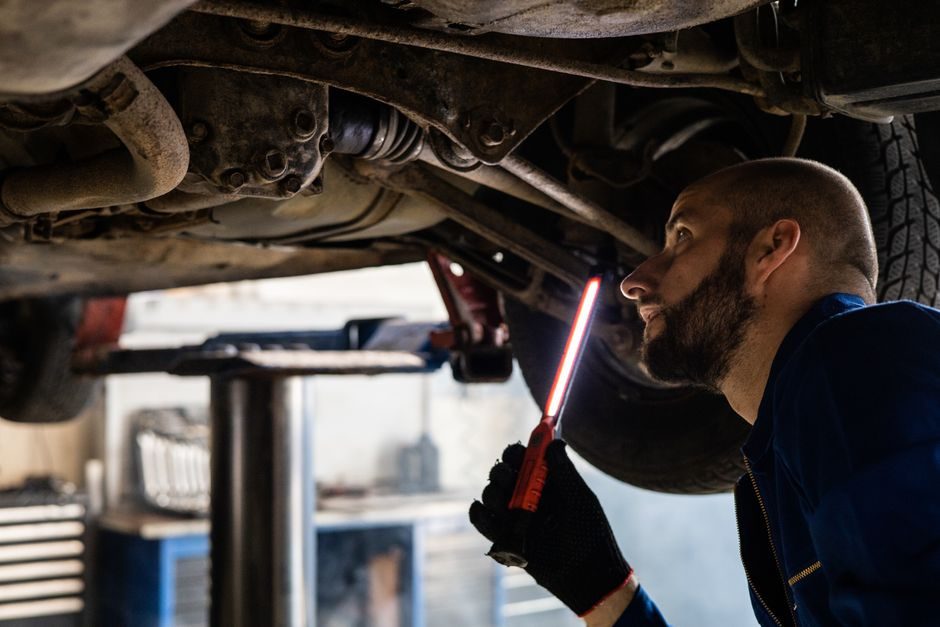
Technical inspection checks whether a car and its safety equipment meet the class rules, not simply whether the car appears race-ready. Inspectors may verify items such as the seat, belts, roll cage, fuel system and protective clothing. Ask for the inspection checklist early so you can plan work in the right order.
Safety gear must be suitable for the rules and fit the driver correctly. Confirm accepted standards for helmets, fire-resistant suits, gloves and footwear with the relevant officials before buying. A helmet that fits poorly or equipment that fails an approval requirement can leave you unable to compete, even if it looks race-specific.
Keep copies of your licence documents, car records and inspection notes together, and bring them when the series requires them. If an inspector identifies a problem, ask what rule applies and how to demonstrate a compliant fix. Resolve issues before race day where possible; last-minute repairs can disrupt preparation and create avoidable pressure.
- Request the latest technical inspection checklist.
- Verify accepted safety standards before buying gear.
- Ask how and when re-inspections are handled.
Choose a Class That Fits Your Experience
Compare Local Divisions
Choose a class by comparing its rules, local grid and entry route, rather than by appearance alone. A beginner division may use simpler equipment or limit modifications, while faster classes can demand more preparation and experience. Ask the track which categories regularly run and whether newcomers can join through a school or team.
Some drivers start in a rental or arrive-and-drive programme to learn race procedures without owning a car. Others volunteer with a local team, then pursue a seat once they understand the workload and expectations. These routes offer different kinds of experience, so ask what time on track and coaching each actually provides.
A class with an active local field can make it easier to find mentors, parts knowledge and practical help. Check whether the cars are supported nearby and how often teams travel to compete. A less powerful car that offers regular practice may be a better learning tool than a faster option you can rarely afford to run.
| Route | What You Gain | Main Consideration |
|---|---|---|
| Driving school | Coaching and structured seat time | Check what fees include |
| Arrive-and-drive seat | Access to a prepared car | Clarify shared costs and duties |
| Own a local-class car | Control over preparation and schedule | Plan for upkeep and transport |
| Volunteer with a team | Garage and race-weekend experience | A seat is not guaranteed |
Match The Car To Your Path
The right car depends on what the rules permit, how much support you can access and whether you plan to own or rent. Before committing, ask a team to explain the car's required preparation, transport and maintenance. A purchase price alone cannot show how much time, equipment and help the car will need.
A school can provide instruction and seat time in a prepared car, while a team seat may involve shared duties or an agreed fee. Owning a car gives you more control but also makes you responsible for compliance, repairs and spares. Compare what each route includes in writing before making a commitment.
Use a track visit or test session to assess whether the class suits your current skills. Notice the speed, traffic density and amount of coaching available, then ask instructors where beginners typically struggle. Choose a route that lets you build confidence step by step, rather than one that requires you to learn everything during competition.
- Compare local class rules and available grids.
- Ask what a school or team seat includes.
- Check access to parts, transport and support.
- Try a supervised session before committing.
Build a budget around the full season, not just the car or event entry.
Build a Realistic Racing Budget
Count The Full Season Cost
Build a budget around the full season, not just the car or event entry. Include safety gear, licence fees, inspections, transport, fuel, tyres, routine maintenance and repairs. Ask a local competitor to identify class-specific costs you might miss, then separate required expenses from upgrades that can wait.
A used car can reduce the initial outlay, but its condition and compliance determine what it will cost to prepare. Arrange a knowledgeable inspection and compare the work needed with the current rules before buying. A car that needs extensive repairs or an obsolete safety update may be a poor value despite a low asking price.
Plan for ordinary wear and unexpected damage without assuming every event will go smoothly. Ask teams how they handle replacement parts, repairs and cancellations, and find out which costs are shared. Keep a written estimate that distinguishes one-time purchases from recurring expenses so you can judge whether you can sustain the season.
Find Support And Reduce Risk
Speak with several local teams about the ways a newcomer can get involved, from helping in the garage to joining a test day. Be clear about your experience, available time and budget. A team can explain what it expects in return and whether a driver seat, coaching or shared costs are genuinely available.
Volunteering can teach you how a race weekend works and help you build relationships before making a large commitment. Ask a crew chief what tasks are suitable for a beginner, and follow workshop and pit safety rules. Treat the experience as a chance to learn the class, not as a guarantee of a future seat.
Before agreeing to a seat or shared expense, write down what each party provides and who pays for damage, travel and consumables. Check the arrangement with the team and read any entry or rental terms carefully. If details are unclear, pause and ask questions; a realistic agreement protects both your budget and the working relationship.
Find a Track, Team or School
Build Local Connections
Start by contacting the track where you hope to race and asking which classes accept newcomers, what credentials are required, and when teams usually recruit. A short visit on race night can show how crews work and whether the paddock feels approachable. Introduce yourself to officials or team members after they have finished their immediate duties. A useful resource on this topic: bugün dolar kaç TL.
- Mistake: asking for a drive before learning the team’s needs; better approach: offer reliable help first.
- Mistake: arriving during a busy pit stop to introduce yourself; better approach: wait until the crew is free.
- Mistake: assuming every class follows the same process; better approach: confirm requirements with the track.
Ask a local team whether it needs help with routine tasks before you ask for a seat. Cleaning parts, organizing tools, or assisting during practice can teach you track etiquette and reveal the workload behind a race weekend. Be dependable, follow directions, and do not touch a car or equipment without permission.
For travel or parts purchases quoted in dollars, бүгүн доллар kaç TL can help you translate the expense into a lira-based budget before committing. Keep conversations practical: explain your experience, availability, and goals, then ask what skills the team expects from a beginner. A realistic first connection may be a crew role, not a driving opportunity.
- Visit a race meeting and observe the paddock.
- Ask the track about newcomer requirements.
- Contact teams with a concise introduction.
- Offer help before requesting a seat.
Compare Training Options
A driving school or sanctioned test day can provide controlled practice before you enter a competitive event. Ask what car is used, whether instruction is one-to-one or shared, what safety equipment is supplied, and whether the session includes track time or only classroom work. Match the course to the class you are considering.
A school session is useful when you need basic car control, flags, and track procedure explained in sequence. A team test may be better once you understand the fundamentals and want feedback in the intended car. Do not treat either as a guarantee of readiness; the track’s licensing and experience rules still apply.
Before paying, ask whether the organizer has current insurance and safety procedures, and clarify what happens if weather or mechanical trouble interrupts the session. Bring questions about passing zones, pit entry, and emergency signals. A good instructor should welcome those questions and explain how mistakes are handled without encouraging unnecessary risk.
Prepare Your Car and Safety Gear
Confirm Safety Requirements
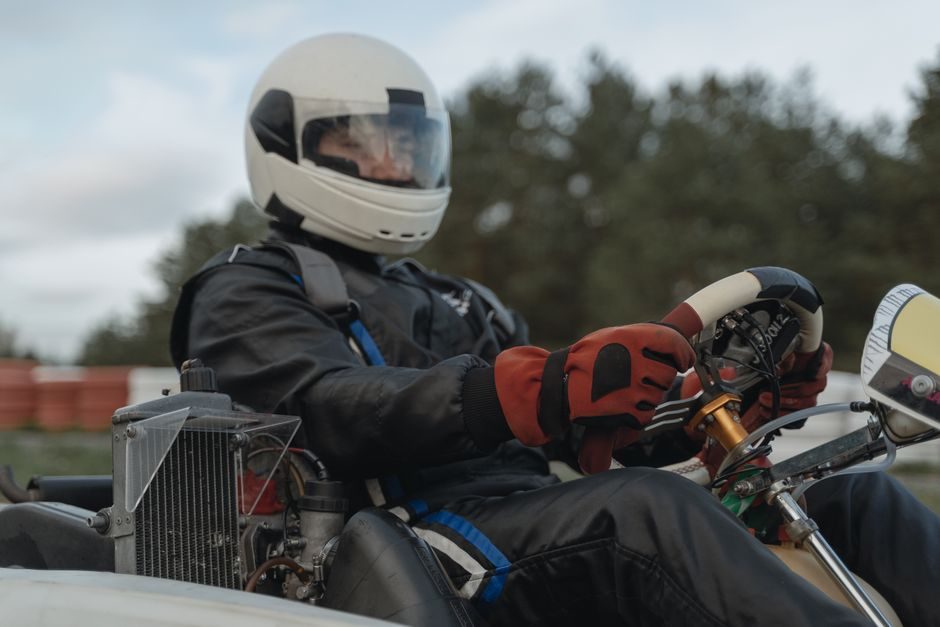
Use the current rulebook for your exact class to select a helmet, suit, restraints, and other required equipment. Approval labels and expiration rules can vary, so verify details with the sanctioning body rather than relying on an older driver’s setup. Ask officials to inspect uncertain items before you spend money or arrive for competition.
Buy properly fitting safety gear before adding cosmetic upgrades to the car. A helmet should sit securely without pressure points, while gloves and shoes should allow controlled steering and pedal movement. Try equipment on with the layers you expect to wear, since fit can change when a fire-resistant suit is zipped and fastened.
Check whether the series requires head-and-neck restraint equipment, particular seat belts, window nets, or a specific seat installation. These components work as a system, so mounting points and compatibility matter as much as the item itself. Have a qualified builder inspect installations, and never modify safety equipment to make it fit.
- Read the current class rulebook.
- Verify approval and expiration requirements.
- Check fit while wearing race layers.
- Have installations inspected by a qualified builder.
Inspect the Race Car
Have an experienced mechanic inspect a car before purchase or its first track outing. Focus on the chassis, brakes, steering, suspension, fuel system, and safety-cell condition, then compare the findings with the class rules. A low purchase price can be misleading if repairs or rule-required changes make the car unsuitable.
Build a written maintenance routine around the manufacturer’s guidance and the series’ technical requirements. Check fluid levels, fasteners, tire condition, and visible damage before each outing, then record repairs and parts changes. A log helps identify repeated problems and gives a future mechanic useful context instead of guesswork.
Test newly repaired or unfamiliar equipment in a controlled setting before racing for position. Confirm that gauges work, the driver can reach controls while belted in, and the crew knows how to shut off the car. If a part feels loose, leaks, or behaves unpredictably, stop and investigate rather than hoping it lasts through the session.
Plan for Travel and Ongoing Costs
Map the Full Weekend
Plan a race weekend from driveway to return home, not just from pit entry to the finish. Include towing or transport, fuel, lodging, meals, entry fees, and time off work, then leave room for an unplanned repair. A nearby track can be the more practical first choice even when another event looks more prestigious.
- ☐ Confirm the event schedule and entry requirements.
- ☐ Arrange a suitable tow vehicle or transport plan.
- ☐ Pack tools, spares, and personal safety gear.
- ☐ Set aside funds for travel and repairs.
Confirm event schedules, registration deadlines, parking arrangements, and paddock access before setting out. Ask whether your team shares transport or whether you must arrange a trailer, tow vehicle, and secure storage. If you are traveling with a crew, agree in advance on departure times, responsibilities, and how expenses will be divided.
Keep a simple record of spending after every event, separating predictable costs from repairs and travel surprises. For cross-border trips or imported parts priced in dollars, estimate the lira amount before committing and check the exchange rate close to purchase. This makes it easier to decide whether the next event fits your budget without confusing one-off costs with recurring ones.
- Confirm schedule and registration deadlines.
- Plan transport, parking, and lodging.
- Agree on crew duties and shared expenses.
- Record routine and unexpected spending.
Protect Your Track Time
A dependable schedule matters because a missed practice session can reduce the value of a weekend already paid for. Check the tow vehicle, trailer lights, tires, and hitch before departure, and keep essential documents and contact details accessible. Give yourself enough time to reach the circuit, unload safely, and complete technical inspection.
Carry spares that address likely, class-specific failures rather than filling a trailer with random parts. Ask your mechanic or team what commonly stops this car from running, then prioritize items that are affordable, available, and practical to replace trackside. Label tools and parts so the crew can find them quickly under pressure.
Decide in advance what spending you will approve during an event and who can authorize purchases for the car. A sudden repair can tempt a beginner to use money intended for later rounds, but the immediate fix may not be the safest or best-value choice. Discuss alternatives with the team, and do not race with a known safety defect.
Avoid Common First-Season Mistakes
Choose Progress Over Speed
Treat your first races as a chance to learn repeatable habits, not as a test of whether you can match experienced drivers immediately. Focus on clean starts, predictable lines, flag awareness, and finishing sessions without avoidable contact. Ask for one or two specific points of feedback after each outing rather than trying to fix everything at once.
Do not use another driver’s pace as proof that your own car is ready for more speed. Differences in setup, tire condition, experience, and traffic can change lap times considerably. Build confidence through consistent laps, and discuss adjustments with your crew before making changes that could affect handling or safety.
Review each event while details are fresh: note where you lost control of traffic, missed a signal, or felt uncertain about a corner. Compare those notes with feedback from an instructor or experienced crew member, then set one clear goal for the next practice. This turns a difficult session into a useful lesson without pretending every problem has a quick fix.
- Prioritize clean, predictable laps.
- Ask for focused feedback after sessions.
- Record one improvement goal for next time.
Respect the Race Weekend
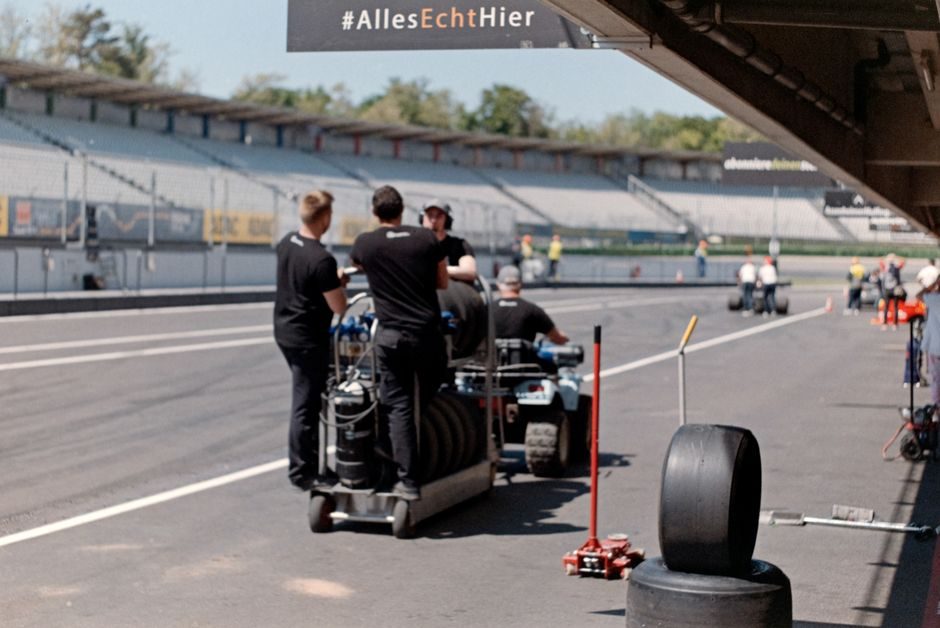
Read event instructions before arrival and listen closely during driver briefings, even when a procedure seems familiar. Pit speed, flags, restart rules, and where to enter or leave the racing surface can differ by venue or series. If an instruction is unclear, ask an official before the session rather than copying another driver’s assumption.
Arrive prepared to follow the crew’s plan, including warm-up routines, radio checks, and when to report to the grid. Keep communication calm and precise; a short description of what the car did is more useful than a vague claim that it felt bad. The crew can then connect your feedback to a corner, lap, or condition.
After a mistake, take responsibility and find out what rule or judgment led to it. Do not argue in the heat of the moment or post blame online before you understand the incident. Officials and teams are more likely to help a driver who listens, asks fair questions, and shows that the same avoidable error will be addressed.
Frequently asked questions
Can I start stock car racing without owning a car?Yes. You can learn about the sport through a school, a sanctioned test, or by helping a local team before buying a car. Some teams may offer a paid or supported driving opportunity, but availability and requirements vary. Ask what experience, licensing, equipment, and costs are expected, and do not assume that a crew role will automatically lead to a seat.
How do I know when I am ready for my first race?Readiness depends on the rules for your chosen class, not a universal number of practice sessions. You should understand flags, pit procedures, and basic car control, meet licensing requirements, and have a mechanically sound car and compliant safety equipment. Ask an instructor, team, or track official to assess any gaps before entering an event, especially if you remain uncertain about race procedures.
Should I buy a car before finding a team?Usually, talk to teams and officials first, then inspect suitable cars with a mechanic familiar with the class. That sequence can reveal which models are supported locally, what modifications the rules require, and whether parts or setup help are accessible. Buying before checking those details can leave you with a car that needs expensive work or does not fit your intended series.
What should I do if I cannot afford a full season?Start by asking whether your series allows individual event entries and build a budget around one realistic outing. You can also volunteer or work with a team to gain experience while learning its costs and routines. Avoid borrowing for nonessential upgrades or committing to multiple races before you understand transport, repairs, and the time required to prepare safely.
Make Your First Race a Practical Goal
A sound start in stock car racing comes from matching a class to your experience, checking the rules before spending, and learning from people who work at your local track. Training, a careful car inspection, approved safety gear, and a realistic event budget matter more than rushing toward a seat. Treat consistency and communication as skills to develop alongside driving.
Your next step is to contact a nearby track or team and ask what a newcomer must do to attend a test or help at an event. Write down the class requirements, likely costs, and equipment you still need, then arrange an inspection or training session before buying a car. That plan turns interest into a safe, manageable first move.

Add Motorsport News as a preferred source on Google


