The Rise of Electric Vehicles
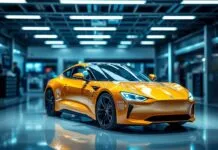
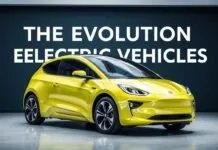
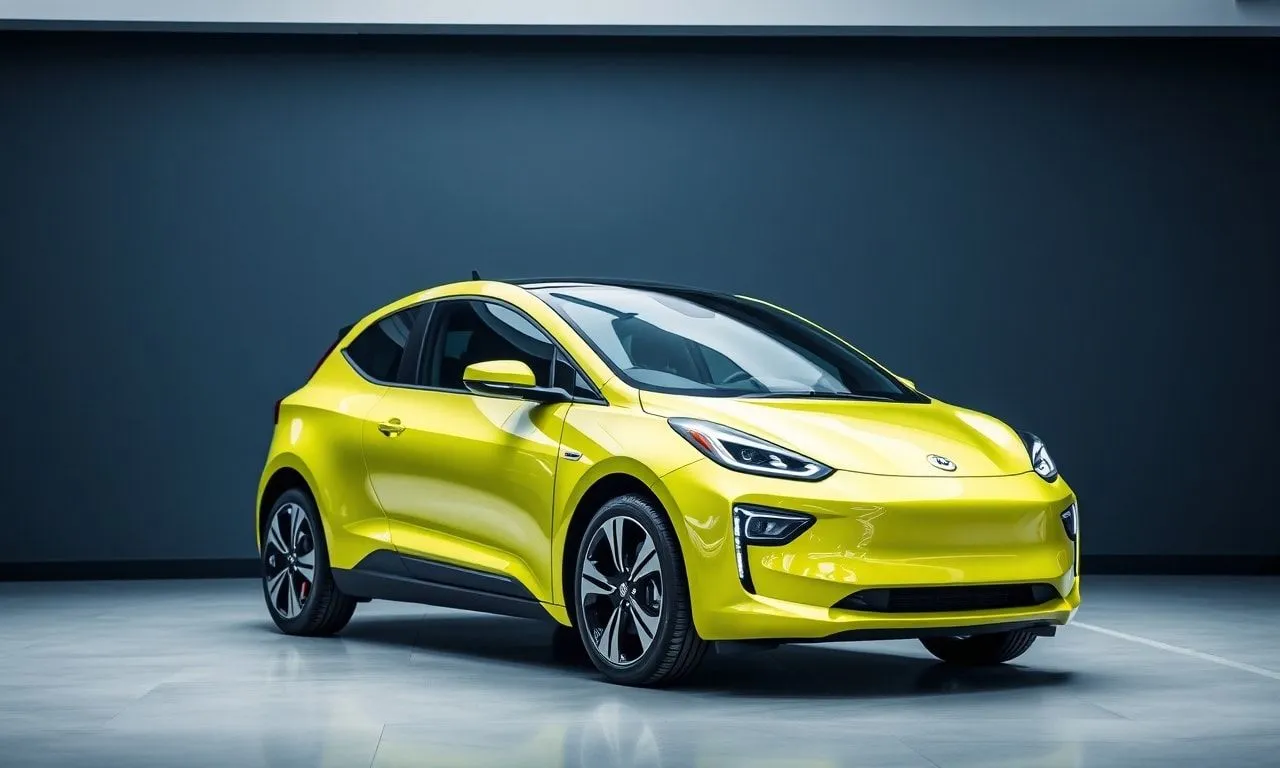
The automotive industry is undergoing a significant transformation, driven by the rise of electric vehicles (EVs). This shift is not merely a trend but a fundamental change in how we perceive and use transportation. The evolution of EVs is a story of innovation, environmental consciousness, and technological advancement. As we delve into this topic, we will explore the history, current state, and future prospects of electric vehicles.
Historical Background
The concept of electric vehicles dates back to the early 19th century. The first electric carriage was developed by Scottish inventor Robert Anderson around 1832. However, it was not until the late 19th and early 20th centuries that EVs gained more attention. Companies like Baker Motor Vehicle and Woods Motor Vehicle were among the first to produce electric cars. Despite their early promise, EVs were eventually overshadowed by gasoline-powered vehicles due to advancements in internal combustion engines and the lack of infrastructure for electric charging.
Modern Electric Vehicles
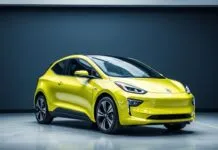
Fast forward to the 21st century, and EVs are making a strong comeback. The modern era of electric vehicles began with the introduction of the Tesla Roadster in 2008. This car not only showcased the potential of electric technology but also demonstrated that EVs could be high-performance vehicles. Today, major automakers like BMW, Ford, and General Motors are investing heavily in electric vehicle technology, aiming to capture a significant share of the growing EV market.
Key Features of Modern EVs
Modern electric vehicles come with a host of features that make them attractive to consumers. These include:
- Zero Emissions: EVs produce no tailpipe emissions, making them an environmentally friendly choice.
- Lower Operating Costs: Electricity is generally cheaper than gasoline, resulting in lower fuel costs.
- Advanced Technology: Many EVs come equipped with advanced features like regenerative braking, autonomous driving capabilities, and over-the-air software updates.
- Quiet Operation: EVs are much quieter than their gasoline counterparts, providing a more serene driving experience.
The Environmental Impact
The environmental benefits of electric vehicles are one of the primary reasons for their growing popularity. By reducing greenhouse gas emissions, EVs help combat climate change. However, the environmental impact of EVs is not entirely straightforward. The production of batteries, for instance, can have significant environmental costs. Additionally, the environmental benefits of EVs depend on the source of the electricity used to charge them. In regions where electricity is generated from renewable sources, the benefits are more pronounced.
For those interested in sustainable living, the shift to electric vehicles is just one part of a broader lifestyle change. For example, choosing eco-friendly dining options can also contribute to a greener lifestyle. If you’re in Paris and looking for the best restaurants that align with your environmental values, you might want to check out Paris meilleurs restaurants avis for recommendations.
The Future of Electric Vehicles
The future of electric vehicles looks promising. Advances in battery technology are expected to increase the range of EVs and reduce charging times. Solid-state batteries, for instance, could offer higher energy density and improved safety. Additionally, the development of wireless charging technology could make charging EVs as convenient as refueling a gasoline car.
Challenges Ahead
Despite the promising future, there are challenges that need to be addressed. One of the main challenges is the need for a robust charging infrastructure. While urban areas are seeing an increase in charging stations, rural areas lag behind. Another challenge is the cost of EVs, which is still higher than that of traditional gasoline cars. However, as technology advances and economies of scale are achieved, the cost of EVs is expected to decrease.
Conclusion
The evolution of electric vehicles is a testament to human ingenuity and our commitment to a sustainable future. From their humble beginnings in the 19th century to the high-performance vehicles of today, EVs have come a long way. As we look to the future, the continued development and adoption of electric vehicles will play a crucial role in shaping the automotive industry and our environment.
In the fast-paced world of automotive maintenance and innovation, finding moments of calm and focus can be challenging, which is why we suggest exploring mindful living practices for growth to enhance your daily routine.
As the automotive industry evolves, electric vehicles are becoming increasingly prominent; discover their impact on future mobility by exploring the rise of electric cars.
As urban landscapes evolve, so does the automotive industry. Discover how cities are influencing the future of vehicles in our detailed exploration, urban mobility’s impact on cars.