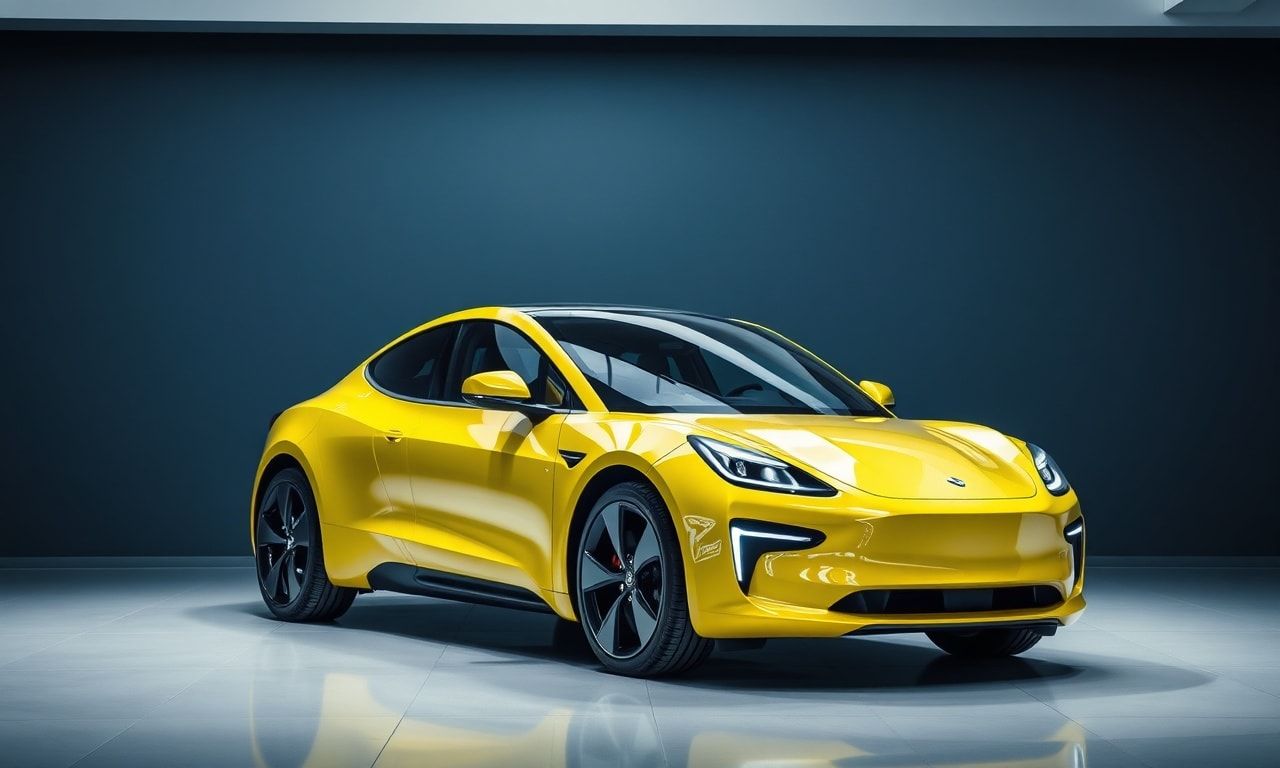
The Evolution of Electric Vehicles
The automotive industry is undergoing a significant transformation, driven by the rise of electric vehicles (EVs). This shift is not just about reducing emissions but also about redefining the driving experience. EVs offer a quieter, smoother ride with lower maintenance costs compared to traditional internal combustion engine (ICE) vehicles. As technology advances, the range and charging infrastructure for EVs continue to improve, making them a more viable option for a broader audience.
The Benefits of Electric Vehicles
Electric vehicles come with a host of benefits that make them an attractive choice for modern drivers. Firstly, they are more energy-efficient than their gasoline counterparts. EVs convert over 77% of the electrical energy from the grid to power at the wheels, compared to only 12%-30% for gasoline vehicles. This efficiency translates to lower operating costs. Additionally, EVs have fewer moving parts, which means less wear and tear and lower maintenance costs over time.
Another significant advantage is the environmental impact. EVs produce zero tailpipe emissions, which helps reduce air pollution and greenhouse gas emissions. Even when considering the entire life cycle of the vehicle, from manufacturing to disposal, EVs generally have a smaller carbon footprint than conventional cars, especially as the electricity grid becomes greener.
Performance and Driving Experience
EVs offer a unique driving experience characterized by instant torque and smooth acceleration. The absence of a traditional transmission means that EVs provide seamless power delivery, making them incredibly responsive. This performance advantage is one of the reasons why many sports car manufacturers are now offering electric models. The low center of gravity due to the battery placement also enhances handling and stability, making EVs a joy to drive.
The Role of Technology in the Automotive Industry
The automotive industry is not just about vehicles; it’s about the technology that powers them. From advanced driver-assistance systems (ADAS) to autonomous driving capabilities, technology is revolutionizing the way we interact with our cars. Companies are investing heavily in research and development to create safer, more efficient, and more connected vehicles. For instance, the integration of artificial intelligence (AI) and machine learning (ML) is enabling cars to learn from driving patterns and improve performance over time.
Moreover, the rise of connected cars is transforming the automotive landscape. Vehicles equipped with internet connectivity can communicate with other cars and infrastructure, providing real-time traffic updates, navigation assistance, and even remote diagnostics. This connectivity enhances the overall driving experience and contributes to safer roads.
Challenges and Opportunities
While the future of the automotive industry looks promising, there are challenges that need to be addressed. One of the primary concerns is the infrastructure for charging EVs. As the number of electric vehicles on the road increases, the demand for charging stations will also rise. Governments and private companies need to invest in building a robust charging network to support this growth.
Another challenge is the cost of EVs. Although prices have been decreasing, they are still generally more expensive than conventional cars. However, as battery technology improves and economies of scale come into play, the cost of EVs is expected to decrease, making them more accessible to a wider audience.
Despite these challenges, the opportunities in the automotive industry are vast. The shift towards electric vehicles is creating new markets and business models. For example, companies are exploring the potential of vehicle-to-grid (V2G) technology, where EVs can store energy and feed it back into the grid during peak demand periods. This not only benefits the environment but also provides a new revenue stream for EV owners.
The Importance of Maintenance for Electric Vehicles
Maintaining an electric vehicle is different from maintaining a traditional car. While EVs have fewer moving parts, they still require regular upkeep to ensure optimal performance and longevity. One of the key aspects of EV maintenance is battery care. Keeping the battery at the right temperature and avoiding deep discharges can extend its lifespan. Additionally, regular software updates are crucial as they can improve the vehicle’s performance and add new features.
For those looking to understand more about the latest in automotive technology and maintenance, resources like ev ürünleri inceleme karşılaştırma provide valuable insights and comparisons. These platforms offer detailed reviews and analyses of various automotive products, helping consumers make informed decisions.
Future Trends in the Automotive Industry
The future of the automotive industry is bright, with several exciting trends on the horizon. One of the most significant trends is the continued development of autonomous vehicles. Companies like Tesla, Waymo, and traditional automakers are investing heavily in self-driving technology. While fully autonomous cars are still a few years away, advancements in this area are expected to revolutionize transportation.
Another trend is the rise of shared mobility. Services like car-sharing and ride-hailing are changing the way people think about car ownership. As urbanization continues, the demand for convenient and cost-effective transportation solutions will grow, driving the adoption of shared mobility services.
Finally, sustainability will remain a key focus for the automotive industry. As consumers become more environmentally conscious, the demand for eco-friendly vehicles will continue to rise. Automakers are responding by developing more sustainable materials and production processes, as well as exploring alternative fuel sources like hydrogen.
As the auto industry embraces digital advancements, understanding the role of digital transformation in education is crucial for professionals seeking to upskill; delve into digital shifts in learning to stay ahead.
While we focus on keeping your vehicle in top condition, it’s equally important to maintain your own well-being; explore tips for holistic wellness to stay at your best.
As we strive for sustainability in all industries, including automotive, understanding the principles of sustainable farming can offer valuable insights; explore future farming practices and their broader impact.