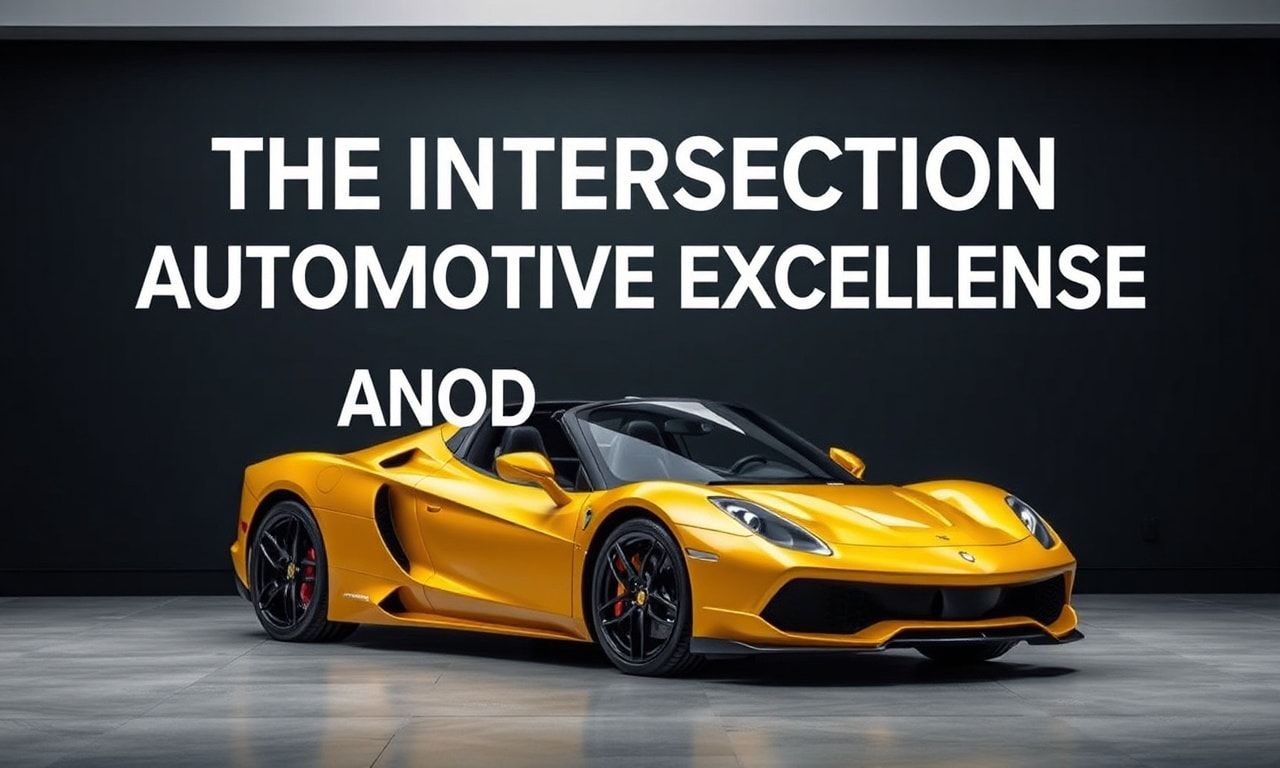
The Evolution of Automotive Design
The automotive industry has undergone a remarkable transformation over the past century. From the humble beginnings of the Model T to the cutting-edge electric vehicles of today, the evolution of automotive design has been nothing short of revolutionary. This progression is not just about performance and technology; it’s also about how cars integrate into our daily lives and lifestyles.
The Role of Aesthetics in Modern Vehicles
Modern vehicles are not just modes of transportation; they are extensions of our personalities and lifestyles. The aesthetics of a car, from its sleek lines to its luxurious interiors, play a crucial role in how we perceive and interact with our vehicles. Designers today focus on creating cars that are not only functional but also visually appealing, ensuring that they complement our daily routines and activities.
For instance, the interior design of a car can significantly impact our driving experience. Ergonomic seats, advanced infotainment systems, and premium materials all contribute to a more comfortable and enjoyable ride. These elements are carefully crafted to enhance our overall well-being, making the journey as important as the destination.
Maintenance Tips for Optimal Performance
To ensure that your vehicle continues to perform at its best, regular maintenance is essential. This includes routine checks of the engine, brakes, tires, and other critical components. By adhering to a maintenance schedule, you can prevent potential issues and extend the lifespan of your car.
The Importance of Regular Oil Changes
One of the most critical aspects of vehicle maintenance is regular oil changes. Engine oil lubricates the moving parts of the engine, reducing friction and preventing wear and tear. Over time, oil can become contaminated with dirt and debris, which can compromise its effectiveness. By changing your oil regularly, you can ensure that your engine runs smoothly and efficiently.
Most manufacturers recommend an oil change every 5,000 to 7,500 miles, but this can vary depending on the make and model of your vehicle. Consult your owner’s manual for specific guidelines tailored to your car. Additionally, using high-quality oil and filters can further enhance engine performance and longevity.
Tire Maintenance for Safety and Efficiency
Tires are another critical component of your vehicle that require regular attention. Proper tire maintenance can improve safety, fuel efficiency, and overall driving performance. This includes checking tire pressure regularly, rotating tires, and inspecting for signs of wear and damage.
Underinflated tires can increase fuel consumption and reduce handling, while overinflated tires can lead to a harsher ride and increased risk of blowouts. By maintaining the recommended tire pressure, you can ensure optimal performance and safety. Additionally, rotating your tires every 5,000 to 7,500 miles can help distribute wear evenly, extending their lifespan.
The Impact of Lifestyle on Vehicle Choices
Our lifestyle choices significantly influence the type of vehicle we choose. Whether you’re a busy professional, a family with children, or an adventure enthusiast, your vehicle should align with your daily needs and activities. For example, a compact car might be ideal for navigating city streets, while an SUV offers more space and versatility for family outings and road trips.
Moreover, the rise of electric vehicles (EVs) has provided eco-conscious consumers with a sustainable alternative to traditional gasoline-powered cars. EVs offer lower emissions, reduced fuel costs, and advanced technology features, making them an attractive option for those looking to minimize their environmental impact.
Incorporating elements of wellness into our daily routines can also enhance our overall quality of life. For instance, integrating günlük hayata doğal bir güzellik rutini can help you feel refreshed and rejuvenated, making your daily commute a more enjoyable experience. By prioritizing self-care and wellness, we can create a harmonious balance between our personal and professional lives.
Future Trends in Automotive Technology
The automotive industry is constantly evolving, with new technologies and innovations shaping the future of transportation. From autonomous driving to advanced safety features, the next generation of vehicles promises to be more intelligent, efficient, and connected than ever before.
Autonomous Driving and Connectivity
Autonomous driving technology is one of the most significant advancements in the automotive industry. Self-driving cars have the potential to revolutionize transportation by reducing accidents, improving traffic flow, and providing greater mobility for those who cannot drive. While fully autonomous vehicles are still in the developmental stages, advancements in sensor technology, artificial intelligence, and machine learning are paving the way for a future where self-driving cars are the norm.
Connectivity is another key trend in automotive technology. Modern vehicles are equipped with advanced infotainment systems that integrate with smartphones, providing seamless access to navigation, entertainment, and communication features. This connectivity extends beyond the vehicle, with cloud-based services and over-the-air updates ensuring that your car remains up-to-date with the latest software and features.
Sustainable and Eco-Friendly Innovations
As environmental concerns continue to grow, the automotive industry is responding with innovative solutions to reduce emissions and promote sustainability. Electric vehicles (EVs) are at the forefront of this movement, offering zero-emission driving and reduced reliance on fossil fuels. Additionally, advancements in battery technology are extending the range and improving the charging infrastructure for EVs, making them a more viable option for consumers.
Other eco-friendly innovations include hybrid vehicles, which combine internal combustion engines with electric motors to improve fuel efficiency, and alternative fuel vehicles, such as hydrogen fuel cell cars, which produce zero emissions. These technologies are not only beneficial for the environment but also offer cost savings and enhanced performance for drivers.
Conclusion
The automotive industry is a dynamic and ever-evolving sector that plays a crucial role in our daily lives. From the aesthetics and performance of modern vehicles to the importance of regular maintenance and the impact of lifestyle choices, there are numerous factors to consider when selecting and caring for your car. By staying informed about the latest trends and technologies, you can make informed decisions that enhance your driving experience and contribute to a more sustainable future.
Whether you’re a seasoned automotive enthusiast or a first-time car owner, understanding the intersection of automotive excellence and lifestyle can help you make the most of your vehicle. By prioritizing maintenance, embracing new technologies, and aligning your vehicle choices with your lifestyle, you can enjoy a safer, more efficient, and more enjoyable driving experience.
As sustainable practices continue to shape various industries, including automotive, discover how fashion is embracing eco-friendly trends in our feature on sustainable style innovations.
As we focus on maintaining our vehicles, let’s not forget about maintaining our health; explore the global probiotic health revolution and its benefits.
Ever wondered how technology can improve your daily life beyond the garage? Discover the benefits of a smart sleep environment and how it can enhance your overall well-being, much like how advanced tech in vehicles improves your driving experience.