The Rise of Electric Vehicles
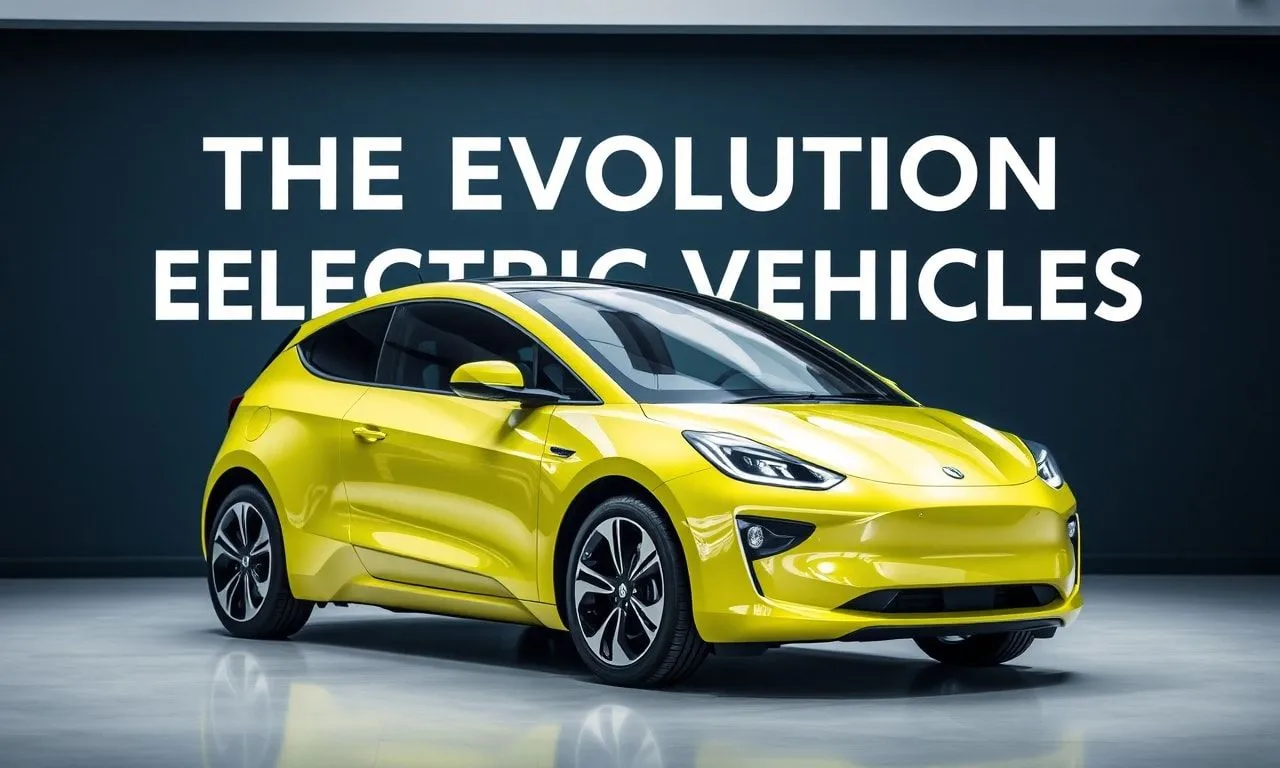
The automotive industry is witnessing a significant shift towards electric vehicles (EVs). This transition is driven by environmental concerns, advancements in technology, and a growing demand for sustainable transportation. The rise of EVs is not just a trend but a revolution that is reshaping the future of mobility. As we delve into this comprehensive guide, we will explore the evolution, benefits, and challenges of electric vehicles.
The Evolution of Electric Vehicles
The concept of electric vehicles dates back to the early 19th century. The first electric carriage was developed by Robert Anderson and Thomas Parker in the 1830s. However, it was not until the late 19th and early 20th centuries that EVs gained more attention. The first practical electric vehicles were produced by companies like Baker, Columbia, and Waverley. Despite their initial popularity, internal combustion engine (ICE) vehicles eventually dominated the market due to their longer range and faster refueling times.
The modern era of electric vehicles began in the late 20th century with the introduction of hybrid electric vehicles (HEVs) and plug-in hybrid electric vehicles (PHEVs). The Toyota Prius, launched in 1997, is often credited as the first mass-produced hybrid vehicle. This marked a significant milestone in the evolution of electric vehicles. The 21st century has seen a rapid acceleration in the development and adoption of fully electric vehicles, with companies like Tesla leading the charge.
The Benefits of Electric Vehicles
Electric vehicles offer numerous benefits over traditional internal combustion engine vehicles. Firstly, EVs are more environmentally friendly. They produce zero tailpipe emissions, which significantly reduces air pollution and greenhouse gas emissions. This is crucial in the fight against climate change and improving public health.
Secondly, EVs are more energy-efficient. Electric motors convert over 77% of the electrical energy from the grid to power the wheels, compared to only 12%-30% for gasoline vehicles. This means that EVs can travel farther on the same amount of energy, making them more cost-effective in the long run.
Thirdly, electric vehicles have lower operating costs. The cost of electricity is generally lower than the cost of gasoline, and EVs require less maintenance. They have fewer moving parts than ICE vehicles, which means fewer things can go wrong. This results in lower maintenance costs and fewer trips to the mechanic.
The Challenges of Electric Vehicles
Despite the numerous benefits, electric vehicles also face several challenges. One of the main challenges is the limited range of EVs compared to ICE vehicles. While the range of EVs has been improving, it still lags behind that of gasoline vehicles. This can be a significant concern for long-distance travel.
Another challenge is the availability of charging infrastructure. While the number of charging stations is increasing, it still lags behind the number of gasoline stations. This can make it difficult for EV owners to find a place to charge their vehicles, especially in rural areas.
The cost of electric vehicles is also a challenge. While the cost of EVs has been decreasing, they are still more expensive than comparable ICE vehicles. This can be a barrier for many consumers who are considering making the switch to electric.
The Future of Electric Vehicles
The future of electric vehicles looks bright. Advances in battery technology are expected to significantly increase the range of EVs and reduce their cost. This will make EVs more accessible to a wider range of consumers.
The development of new charging technologies, such as wireless charging and fast-charging stations, will also make it easier and more convenient to charge EVs. This will help to address the challenge of charging infrastructure and make EVs a more viable option for long-distance travel.
Governments around the world are also taking steps to promote the adoption of electric vehicles. This includes offering incentives for purchasing EVs, such as tax credits and rebates, and investing in the development of charging infrastructure. These efforts are expected to accelerate the transition to electric vehicles and help to reduce greenhouse gas emissions.
The Role of Digital Marketing in the Automotive Industry
The automotive industry is not only evolving in terms of technology but also in terms of marketing strategies. Digital marketing has become a crucial tool for automotive companies to reach their target audience and promote their products. This includes the use of search engine optimization (SEO), social media marketing, and content marketing.
One of the key aspects of digital marketing in the automotive industry is the use of beste software für backlinks 2026. This software can help automotive companies to improve their search engine rankings and drive more traffic to their websites. This is crucial for increasing brand awareness and generating leads.
Social media marketing is another important aspect of digital marketing in the automotive industry. Platforms like Facebook, Instagram, and Twitter allow automotive companies to engage with their audience, share updates about new products, and promote special offers. This can help to build brand loyalty and increase sales.
Content marketing is also a valuable tool for automotive companies. By creating high-quality content, such as blog posts, videos, and infographics, automotive companies can educate their audience about their products and establish themselves as thought leaders in the industry. This can help to build trust and credibility with potential customers.