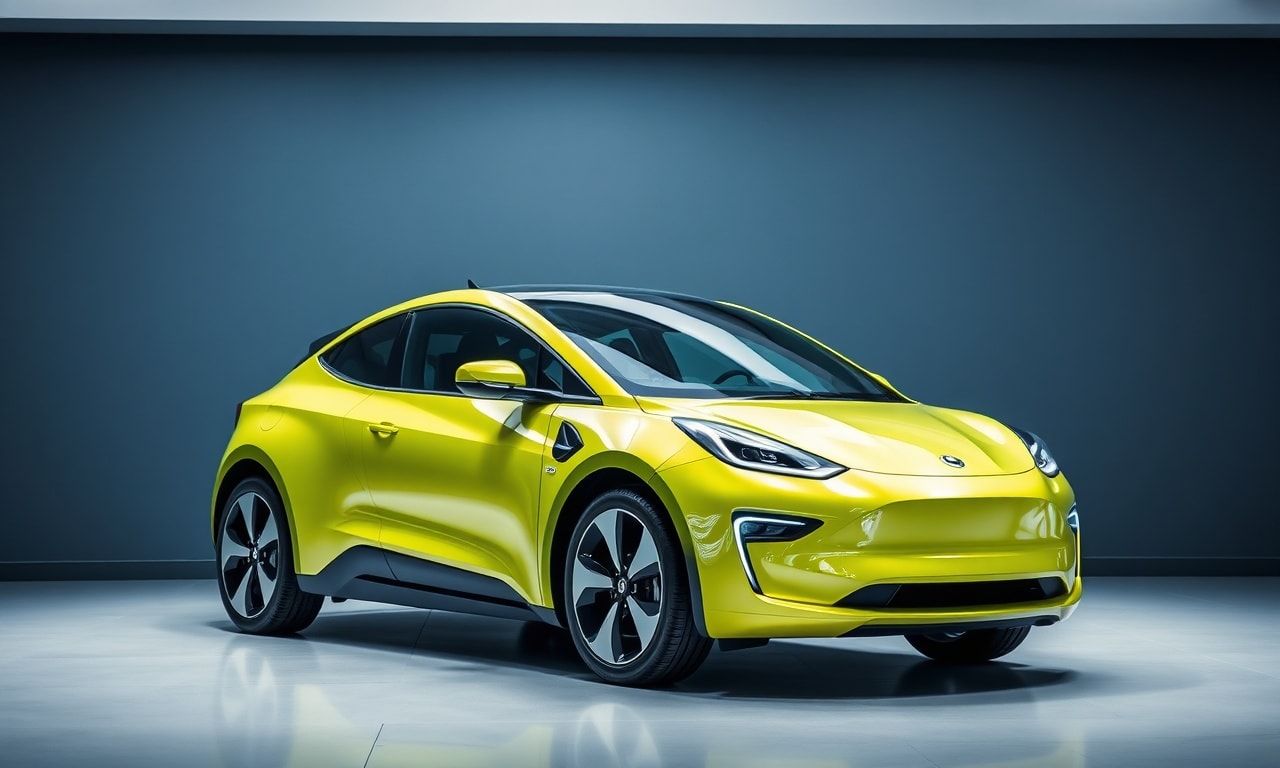
The Rise of Electric Vehicles
The automotive industry is undergoing a significant transformation with the rise of electric vehicles (EVs). This shift is driven by a combination of environmental concerns, technological advancements, and changing consumer preferences. EVs are no longer a niche market but are becoming mainstream, with major automakers investing heavily in electric vehicle technology. This article explores the evolution of electric vehicles, their impact on the automotive industry, and what the future holds for this rapidly growing sector.
The Environmental Imperative
One of the primary drivers behind the rise of electric vehicles is the need to reduce greenhouse gas emissions and combat climate change. Traditional internal combustion engine (ICE) vehicles are a major source of air pollution and contribute significantly to global carbon emissions. EVs, on the other hand, produce zero tailpipe emissions, making them a more environmentally friendly alternative. Governments around the world are implementing stricter emissions regulations and offering incentives for EV purchases, further accelerating the transition to electric mobility.
In addition to environmental benefits, EVs offer other advantages such as lower operating costs and reduced noise pollution. Electric motors are more efficient than internal combustion engines, resulting in lower energy consumption and cost savings for consumers. The reduced noise levels of EVs also contribute to a quieter and more peaceful urban environment.
The Technological Advancements
Technological advancements have played a crucial role in the evolution of electric vehicles. Battery technology, in particular, has seen significant improvements in recent years. Lithium-ion batteries, which are commonly used in EVs, have become more energy-dense, allowing for longer driving ranges and faster charging times. Advances in battery management systems and charging infrastructure have also made EVs more convenient and practical for everyday use.
Autonomous driving technology is another area where EVs are leading the way. Many electric vehicles come equipped with advanced driver-assistance systems (ADAS) that enhance safety and convenience. Features such as adaptive cruise control, lane-keeping assist, and automatic emergency braking are becoming standard in many EV models. The integration of artificial intelligence and machine learning algorithms is further improving the capabilities of autonomous driving systems, paving the way for fully self-driving cars in the future.
The Impact on the Automotive Industry
The shift to electric vehicles is having a profound impact on the automotive industry. Traditional automakers are investing billions of dollars in EV research and development, while new players are emerging to challenge the status quo. Companies like Tesla, Rivian, and Lucid Motors have disrupted the industry with innovative EV designs and cutting-edge technology. Established automakers such as Ford, General Motors, and Volkswagen are also introducing new electric models to stay competitive in the rapidly evolving market.
The transition to electric vehicles is also reshaping the supply chain and manufacturing processes. The production of EVs requires different materials and components compared to traditional ICE vehicles. For example, the demand for lithium, cobalt, and nickel has increased significantly due to the production of EV batteries. This has led to a surge in mining activities and the development of new supply chains to meet the growing demand for these materials.
The Future of Electric Vehicles
The future of electric vehicles looks promising, with continued advancements in technology and increasing consumer adoption. The development of solid-state batteries, which offer higher energy density and faster charging times, is expected to further enhance the performance and range of EVs. Additionally, the expansion of charging infrastructure and the integration of renewable energy sources will make EVs even more sustainable and convenient.
As the automotive industry continues to evolve, the role of electric vehicles will become increasingly important. The shift to electric mobility offers numerous benefits, including reduced emissions, lower operating costs, and enhanced driving experiences. However, challenges such as battery recycling, charging infrastructure, and consumer education need to be addressed to ensure a smooth transition to a sustainable and electrified future.
In conclusion, the evolution of electric vehicles represents a paradigm shift in the automotive industry. Driven by environmental concerns, technological advancements, and changing consumer preferences, EVs are poised to become the dominant form of transportation in the years to come. As the industry continues to innovate and adapt, the future of electric vehicles looks bright and promising.
For those looking to stay updated on the latest trends in technology and entertainment, be sure to check out şimdiki en popüler filmler for a comprehensive overview of the most popular films and series currently making waves.
As a community driven by automotive passion, it’s crucial to stay informed about all aspects of safety, including unexpected ones; check out dog bite prevention tips to ensure your well-being while out and about.
As electric vehicles become more prevalent in delivery fleets, understanding their unique safety aspects is crucial; discover essential safety information for delivery drivers in our detailed guide, electric vehicles and safety tips.
While we’re all about keeping your ride in top shape, we also appreciate a good style upgrade; check out current fashion trends and tips for a fresh look beyond the garage.