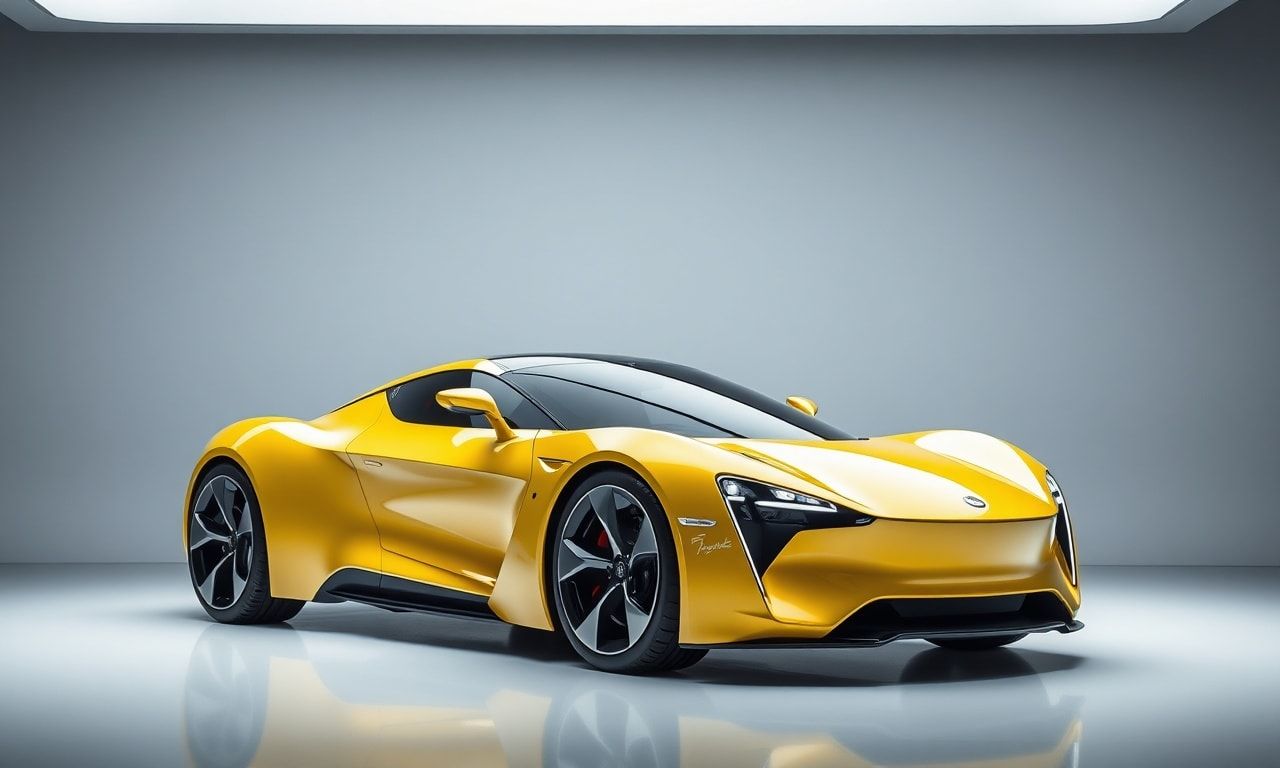
The Evolution of Automotive Design
The automotive industry has always been at the forefront of design innovation. From the sleek curves of classic cars to the aerodynamic shapes of modern vehicles, design has played a crucial role in both aesthetics and performance. As we look ahead to 2026, the trends in automotive design are set to undergo significant transformations, driven by technological advancements and changing consumer preferences.
Sustainability and Eco-Friendly Materials
One of the most significant trends shaping the future of automotive design is the emphasis on sustainability. Manufacturers are increasingly turning to eco-friendly materials and processes to reduce their environmental impact. This shift is not only about reducing carbon emissions but also about creating vehicles that are more sustainable throughout their lifecycle. From recycled plastics to bio-based materials, the automotive industry is exploring a wide range of options to make cars more environmentally friendly.
The Role of Lightweight Materials
Lightweight materials are another key area of focus. By using materials like carbon fiber and aluminum, manufacturers can reduce the overall weight of vehicles, which in turn improves fuel efficiency and performance. This trend is expected to continue well into 2026, as the demand for lighter, more efficient vehicles grows. Additionally, advancements in material science are paving the way for even more innovative solutions, such as self-healing materials and smart composites that can adapt to different conditions.
Technological Integration and Smart Features
The integration of technology into automotive design is another major trend. From advanced driver-assistance systems (ADAS) to fully autonomous vehicles, technology is transforming the way we interact with our cars. In 2026, we can expect to see even more sophisticated features, such as augmented reality dashboards and voice-controlled interfaces. These technologies not only enhance the driving experience but also improve safety and convenience.
The Rise of Electric Vehicles
Electric vehicles (EVs) are set to dominate the automotive landscape in the coming years. As governments around the world implement stricter emissions regulations, manufacturers are accelerating their efforts to develop electric models. By 2026, we can expect to see a wide range of electric vehicles, from compact city cars to high-performance sports models. The shift to electric powertrains is also driving innovations in battery technology, with a focus on increasing range and reducing charging times.
Design Trends for 2026
Looking ahead to 2026, several design trends are emerging that will shape the future of automotive aesthetics. One notable trend is the move towards minimalist, streamlined designs that emphasize simplicity and functionality. This approach is not only visually appealing but also improves aerodynamics, which is crucial for both performance and efficiency. Additionally, we can expect to see more personalized and customizable designs, as consumers demand vehicles that reflect their individual styles and preferences.
Another trend is the integration of fashion into automotive design. As seen in the latest 2026 modası giyim önerileri, the automotive industry is drawing inspiration from the world of fashion to create vehicles that are not only functional but also stylish. This trend is particularly evident in the use of bold colors, unique patterns, and innovative textures that make each vehicle stand out.
The Impact of 3D Printing
3D printing technology is also playing a significant role in the future of automotive design. This technology allows manufacturers to create complex, customized parts with greater precision and efficiency. By 2026, we can expect to see more vehicles featuring 3D-printed components, from interior trim to structural elements. This not only reduces production costs but also enables greater design flexibility and innovation.
The Future of Automotive Maintenance
As automotive design continues to evolve, so too does the approach to maintenance. The integration of advanced technologies and materials is changing the way we care for our vehicles. For example, the use of smart sensors and predictive analytics allows for more proactive maintenance, reducing the risk of breakdowns and extending the lifespan of vehicles. Additionally, the shift towards electric vehicles is driving innovations in maintenance practices, as EVs require different types of care compared to traditional internal combustion engine vehicles.
The Role of Artificial Intelligence
Artificial intelligence (AI) is another key factor in the future of automotive maintenance. AI-powered systems can monitor vehicle performance in real-time, identifying potential issues before they become major problems. This not only improves safety but also reduces the overall cost of ownership. By 2026, we can expect to see even more advanced AI systems integrated into vehicles, providing drivers with unprecedented levels of control and convenience.
Conclusion
The future of automotive design is bright, with numerous trends and innovations set to shape the industry in the coming years. From sustainability and eco-friendly materials to technological integration and smart features, the automotive landscape is undergoing a significant transformation. As we look ahead to 2026, it is clear that the industry will continue to evolve, driven by advancements in technology, changing consumer preferences, and a growing emphasis on sustainability. By embracing these trends, manufacturers can create vehicles that are not only visually appealing but also highly functional, efficient, and environmentally friendly.