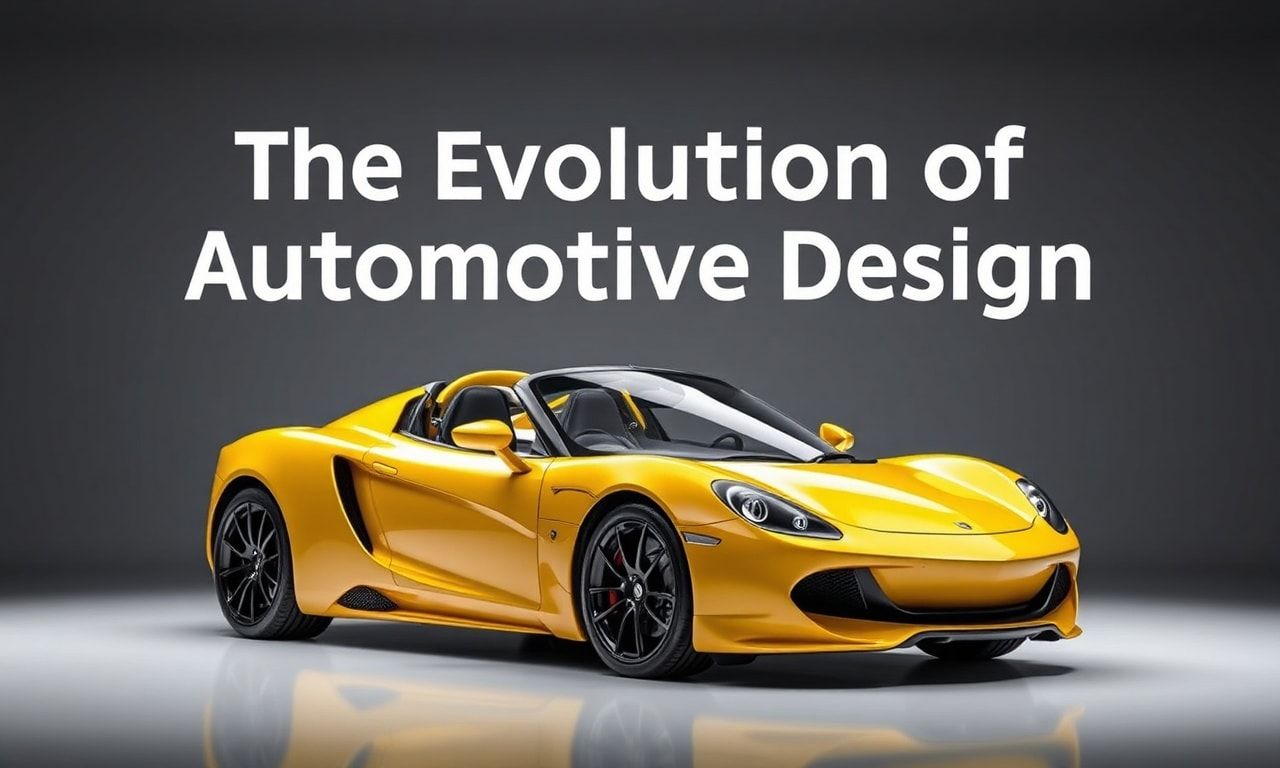
The Dawn of the Automobile
The automobile industry has come a long way since its inception in the late 19th century. The first cars were simple, often resembling horse-drawn carriages without the horses. They were powered by steam, electricity, and later, internal combustion engines. The evolution of automotive design has been driven by a quest for speed, efficiency, and aesthetics. Today, cars are not just modes of transport but statements of style and technology.
The Roaring Twenties and the Birth of Speed
The 1920s marked a significant shift in automotive design. Cars became more powerful and faster, with manufacturers focusing on performance. The introduction of the V8 engine by Ford in 1932 revolutionized the industry, setting the stage for the muscle cars of the 1960s and 1970s. This era also saw the rise of luxury cars, with brands like Cadillac and Lincoln offering opulence and comfort. The automotive industry was no longer just about getting from point A to point B; it was about the experience.
The Post-War Boom and the Rise of the Suburbs
After World War II, the automotive industry boomed. The rise of the suburbs created a demand for larger, family-friendly cars. Manufacturers responded with models like the Chevrolet Bel Air and the Ford Fairlane. These cars were not just practical; they were also stylish, with chrome accents, two-tone paint jobs, and sleek lines. The 1950s and 1960s were a golden age for automotive design, with manufacturers pushing the boundaries of what was possible.
The Environmental Awakening and the Birth of the Eco-Car
As environmental concerns grew in the 1970s, the automotive industry had to adapt. The oil crisis of 1973 highlighted the need for fuel-efficient cars. Manufacturers responded with smaller, more efficient models like the Volkswagen Beetle and the Toyota Corolla. This era also saw the birth of the eco-car, with electric and hybrid models like the Toyota Prius leading the way. Today, electric vehicles are no longer a novelty but a mainstream choice for many consumers.
The Future of Automotive Design
The future of automotive design is exciting and uncertain. With advancements in technology, cars are becoming more connected, autonomous, and eco-friendly. Manufacturers are exploring new materials, like carbon fiber and aluminum, to make cars lighter and more fuel-efficient. They are also experimenting with new designs, like the Tesla Cybertruck, which challenges traditional notions of what a car should look like. The automotive industry is no longer just about horses and horsepower; it’s about innovation and sustainability.
Automotive Design and Fashion
Automotive design is not just about functionality; it’s also about style. Car manufacturers often collaborate with fashion designers to create limited-edition models that reflect the latest trends. For example, BMW has collaborated with designers like Louis Vuitton and Missoni to create unique, stylish cars. If you’re looking for inspiration for your next car, you might want to check out the latest fashion trends. For instance, the Beste Kleider für Sommer 2026 collection offers a range of stylish dresses that could inspire your next car color or design.
The Importance of Maintenance
No matter how stylish or innovative a car is, it won’t last long without proper maintenance. Regular servicing, tire rotations, and oil changes are essential to keep your car running smoothly. Neglecting maintenance can lead to costly repairs and even accidents. It’s also important to keep your car clean, both inside and out. Regular washing and waxing can protect your car’s paint job and prevent rust. Don’t forget to clean the interior, as dirt and debris can damage the upholstery and electronics.
DIY Maintenance Tips
While some maintenance tasks require a professional, there are plenty of things you can do yourself. Here are a few DIY maintenance tips:
- Check your tire pressure regularly. Underinflated tires can lead to poor fuel economy and even blowouts.
- Change your air filter regularly. A dirty air filter can reduce your car’s fuel efficiency and performance.
- Check your fluid levels. This includes oil, coolant, brake fluid, and windshield washer fluid. Low fluid levels can lead to serious problems.
- Inspect your belts and hoses. Cracked or worn belts and hoses can lead to engine damage.
- Keep your car clean. Regular washing and waxing can protect your car’s paint job and prevent rust.
Conclusion
The automotive industry has come a long way since its inception. From the simple, horse-drawn carriages of the 19th century to the high-tech, eco-friendly cars of today, automotive design has evolved to meet the changing needs and tastes of consumers. As we look to the future, one thing is clear: the automotive industry will continue to innovate and adapt, offering us faster, more efficient, and more stylish cars than ever before.
As the auto industry evolves, understanding the shifts in education is crucial; dive into innovations in automotive learning to stay ahead.
After a long day of working on your car, there’s nothing like coming home to a comfortable space; discover how to create that perfect sanctuary with our cozy home lifestyle guide.
To keep your vehicle in top condition, delve into essential car maintenance principles and stay updated with the latest automotive news in our comprehensive guide.