The Rise of Electric Vehicles
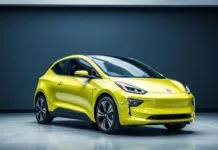
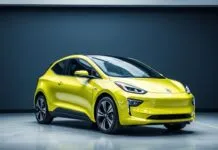
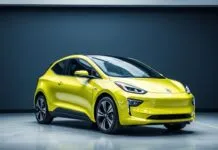
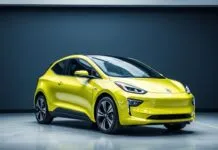
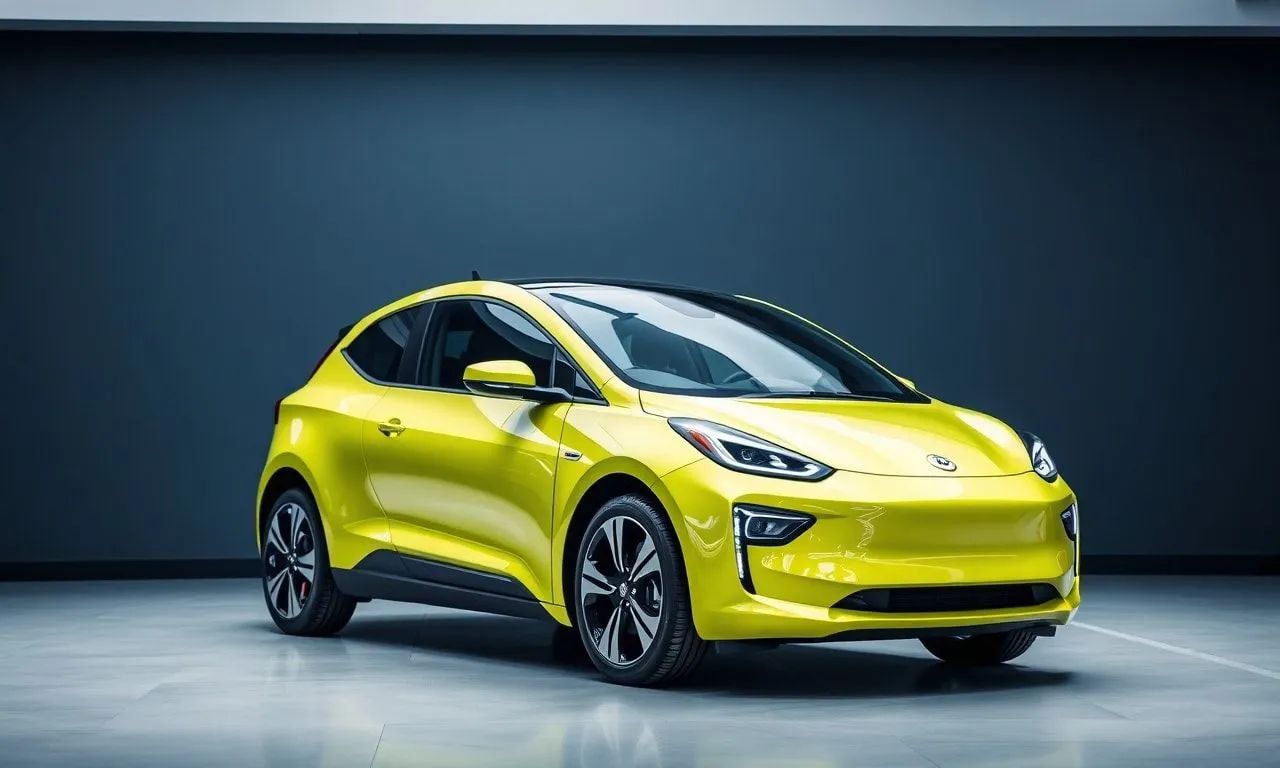
The automotive industry is undergoing a significant transformation with the rise of electric vehicles (EVs). This shift is driven by a combination of environmental concerns, technological advancements, and changing consumer preferences. EVs are no longer just a niche market; they are becoming mainstream, with major automakers investing heavily in electric technology. This article explores the evolution of EVs, their impact on the automotive industry, and what the future holds for this exciting sector.
The Environmental Impact of Electric Vehicles
One of the primary drivers behind the growth of electric vehicles is their environmental benefits. EVs produce zero tailpipe emissions, which significantly reduces air pollution and greenhouse gas emissions. This is particularly important in urban areas where air quality is a major concern. Additionally, the energy efficiency of EVs is higher than that of traditional internal combustion engine (ICE) vehicles. This means that EVs can travel further on the same amount of energy, making them a more sustainable choice.
However, the environmental impact of EVs is not just about tailpipe emissions. The production of EVs, particularly the manufacturing of batteries, has its own environmental footprint. The mining of raw materials like lithium and cobalt can have significant environmental and social impacts. To mitigate these issues, automakers and battery manufacturers are investing in more sustainable practices, such as recycling and the use of alternative materials.
The Role of Government Policies
Government policies play a crucial role in the adoption of electric vehicles. Many countries have implemented incentives such as tax credits, rebates, and exemptions from certain fees to encourage consumers to switch to EVs. For example, in the United States, the federal government offers a tax credit of up to $7,500 for the purchase of a new EV. Similarly, the European Union has set ambitious targets to reduce emissions, which includes a significant push towards electric mobility.
In addition to consumer incentives, governments are also investing in the infrastructure needed to support EVs. This includes the installation of charging stations, the development of smart grids, and the integration of renewable energy sources. These investments are essential for making EVs a viable option for a larger number of consumers.
The Technological Advancements in Electric Vehicles
The technological advancements in electric vehicles are rapidly changing the automotive landscape. One of the most significant developments is the improvement in battery technology. Advances in battery chemistry, such as the use of solid-state batteries, promise to increase the range of EVs and reduce charging times. This is a critical factor for consumers who are concerned about the range anxiety associated with EVs.
Another area of technological innovation is the development of autonomous driving features. Many EVs come equipped with advanced driver-assistance systems (ADAS) that can help drivers navigate traffic, park, and even drive autonomously under certain conditions. These features not only enhance the driving experience but also contribute to road safety.
Furthermore, the integration of connectivity and infotainment systems in EVs is transforming the way we interact with our vehicles. Features like over-the-air updates, remote diagnostics, and advanced infotainment systems are becoming standard in many EVs. These technologies not only improve the user experience but also contribute to the overall efficiency and safety of the vehicle.
The Impact on the Automotive Industry
The rise of electric vehicles is having a profound impact on the automotive industry. Traditional automakers are investing heavily in electric technology to stay competitive in the market. This includes the development of new EV models, the establishment of dedicated EV production lines, and the formation of partnerships with battery manufacturers and technology companies.
The shift towards EVs is also creating new opportunities for startups and tech companies. Many new players are entering the market with innovative EV designs and business models. This is leading to increased competition and a more dynamic automotive landscape. Additionally, the demand for skilled workers in areas like battery technology, software development, and renewable energy is growing, creating new job opportunities.
The Future of Electric Vehicles
The future of electric vehicles looks promising, with continued advancements in technology and increasing consumer adoption. One of the key trends to watch is the development of solid-state batteries, which could significantly improve the range and safety of EVs. Additionally, the integration of renewable energy sources into the charging infrastructure will further reduce the environmental impact of EVs.
Another exciting development is the potential for vehicle-to-grid (V2G) technology. This technology allows EVs to not only draw power from the grid but also to feed power back into the grid when needed. This can help stabilize the grid and provide a valuable service to the energy sector. Furthermore, the continued growth of shared mobility services, such as car-sharing and ride-hailing, will also contribute to the adoption of EVs.
As the automotive industry continues to evolve, the role of Bangladesh banking sector trends in financing the transition to electric vehicles cannot be overlooked. The banking sector plays a crucial role in providing the necessary capital for investments in EV technology, infrastructure, and consumer incentives. This financial support is essential for accelerating the adoption of EVs and achieving a sustainable future.
The Challenges Ahead
Despite the many benefits of electric vehicles, there are still challenges that need to be addressed. One of the main challenges is the high upfront cost of EVs, which can be a barrier for many consumers. While the total cost of ownership of an EV is often lower than that of an ICE vehicle, the initial purchase price can be a significant factor. To address this, automakers and governments need to continue investing in research and development to reduce production costs and make EVs more affordable.
Another challenge is the need for a robust charging infrastructure. While the number of charging stations is growing, there is still a need for more widespread and accessible charging options. This includes the development of fast-charging networks, the integration of charging stations into existing infrastructure, and the use of smart charging technologies to optimize the charging process.
Finally, the environmental impact of battery production and disposal needs to be addressed. While EVs are more sustainable than ICE vehicles, the production and disposal of batteries can have significant environmental and social impacts. To mitigate these issues, automakers and battery manufacturers need to invest in more sustainable practices, such as recycling and the use of alternative materials.