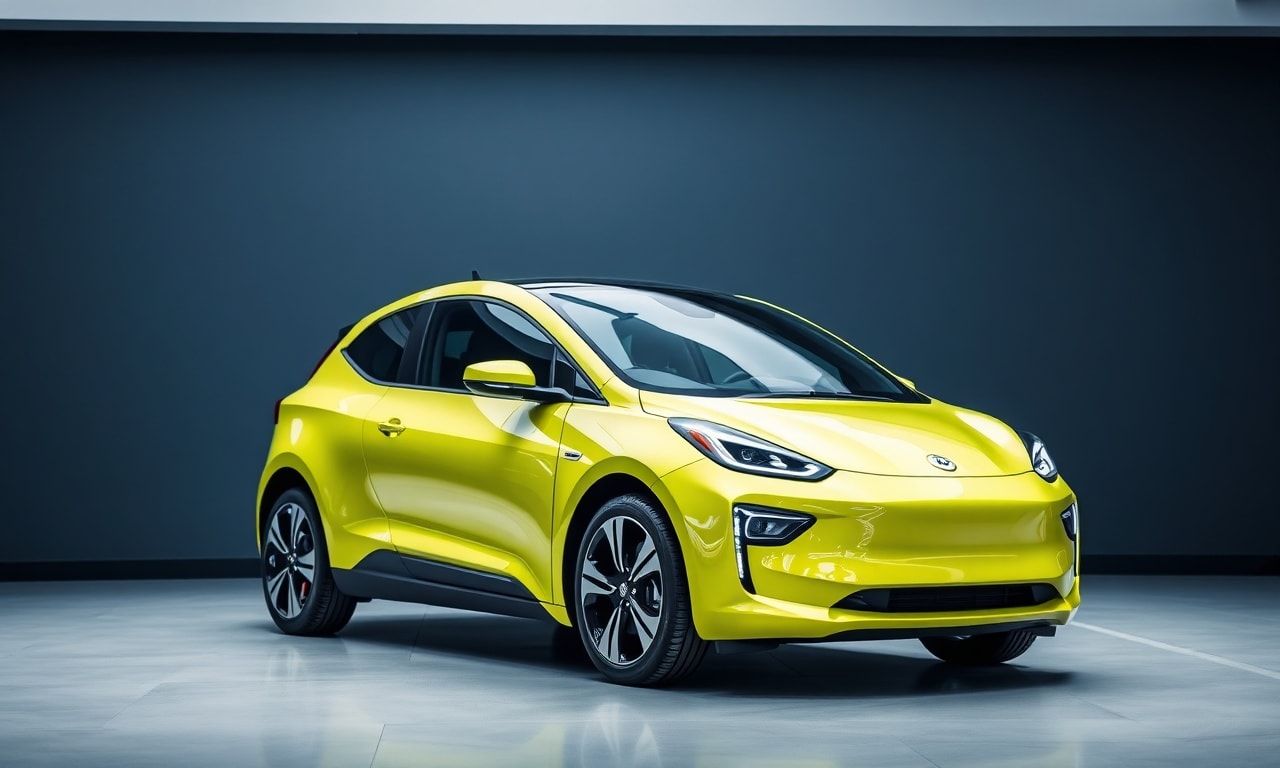
The Rise of Electric Vehicles
The automotive industry is undergoing a significant transformation with the rise of electric vehicles (EVs). This shift is driven by advancements in technology, increasing environmental awareness, and supportive government policies. EVs are no longer a niche market but are becoming mainstream, with major automakers investing heavily in their development and production. This article explores the evolution of electric vehicles, their benefits, challenges, and what the future holds for this rapidly growing sector.
The Benefits of Electric Vehicles
Electric vehicles offer numerous advantages over traditional internal combustion engine (ICE) vehicles. Firstly, they are more environmentally friendly, producing zero tailpipe emissions, which helps reduce air pollution and greenhouse gas emissions. This is particularly important in urban areas where air quality is a major concern. Additionally, EVs are more energy-efficient, converting over 77% of the electrical energy from the grid to power at the wheels, compared to only 12%-30% for gasoline vehicles.
Another significant benefit is the lower operating cost of EVs. Electricity is generally less expensive than gasoline, and EVs have fewer moving parts, which means lower maintenance costs. They also provide a smoother and quieter driving experience, enhancing overall comfort.
Challenges Facing Electric Vehicles
Despite their numerous benefits, electric vehicles face several challenges that need to be addressed for widespread adoption. One of the primary concerns is the limited range of EVs compared to traditional vehicles. While advancements in battery technology are continuously improving range, many consumers still worry about range anxiety, especially for long-distance travel.
Another challenge is the availability of charging infrastructure. Although the number of charging stations is increasing, there is still a need for more widespread and faster charging networks to support the growing number of EVs on the road. Additionally, the production of batteries for EVs has environmental and ethical concerns, particularly regarding the mining of rare earth metals and the disposal of used batteries.
The Role of Government Policies
Government policies play a crucial role in the adoption of electric vehicles. Many countries have implemented incentives such as tax credits, rebates, and exemptions from certain fees to encourage consumers to switch to EVs. For example, in the United States, the federal government offers a tax credit of up to $7,500 for the purchase of a new EV. Similarly, many European countries have introduced stringent emissions standards and incentives to promote the use of electric vehicles.
In addition to consumer incentives, governments are also investing in the development of charging infrastructure. For instance, the European Union has set a target to deploy one million public charging points by 2025. These policies are essential for creating a supportive environment for the growth of the EV market.
The Future of Electric Vehicles
The future of electric vehicles looks promising, with continuous advancements in technology and increasing consumer acceptance. One of the most significant developments is the improvement in battery technology. Researchers are working on solid-state batteries, which promise higher energy density, faster charging times, and improved safety compared to current lithium-ion batteries. These advancements could significantly extend the range of EVs and reduce charging times, making them more convenient for consumers.
Another exciting development is the integration of autonomous driving technology with electric vehicles. Self-driving EVs could revolutionize personal transportation, offering increased safety, efficiency, and convenience. Companies like Tesla, Waymo, and traditional automakers are investing heavily in autonomous driving technology, which could become a standard feature in future EVs.
Conclusion
The evolution of electric vehicles represents a significant shift in the automotive industry. While there are challenges to overcome, the benefits of EVs in terms of environmental impact, operating costs, and driving experience are undeniable. With continuous advancements in technology and supportive government policies, the future of electric vehicles looks bright. As the market continues to grow, we can expect to see more innovative developments that will make EVs an even more attractive option for consumers worldwide.
For those interested in staying updated on the latest developments in the automotive industry, including news on crime and justice related to automotive innovations, you can visit suç ve ceza haberleri güncel for comprehensive coverage.